
Assorted pickles in brine: Recipe and secrets for crunchy jars
Autumn brings to pantries the unmistakable aroma of fresh vegetables transformed into true crunchy delicacies. Preparing mixed pickles in brine is a golden Romanian tradition, a simple alchemy between pure water, non-iodized salt, and the richness of autumn gardens. Whether you receive fresh vegetables delivered straight to your door via Sezamo Fruit & Vegetables or want to perfect your family heirloom recipe, this complete guide reveals the secrets of natural fermentation for clear jars and perfectly crunchy vegetables until spring.
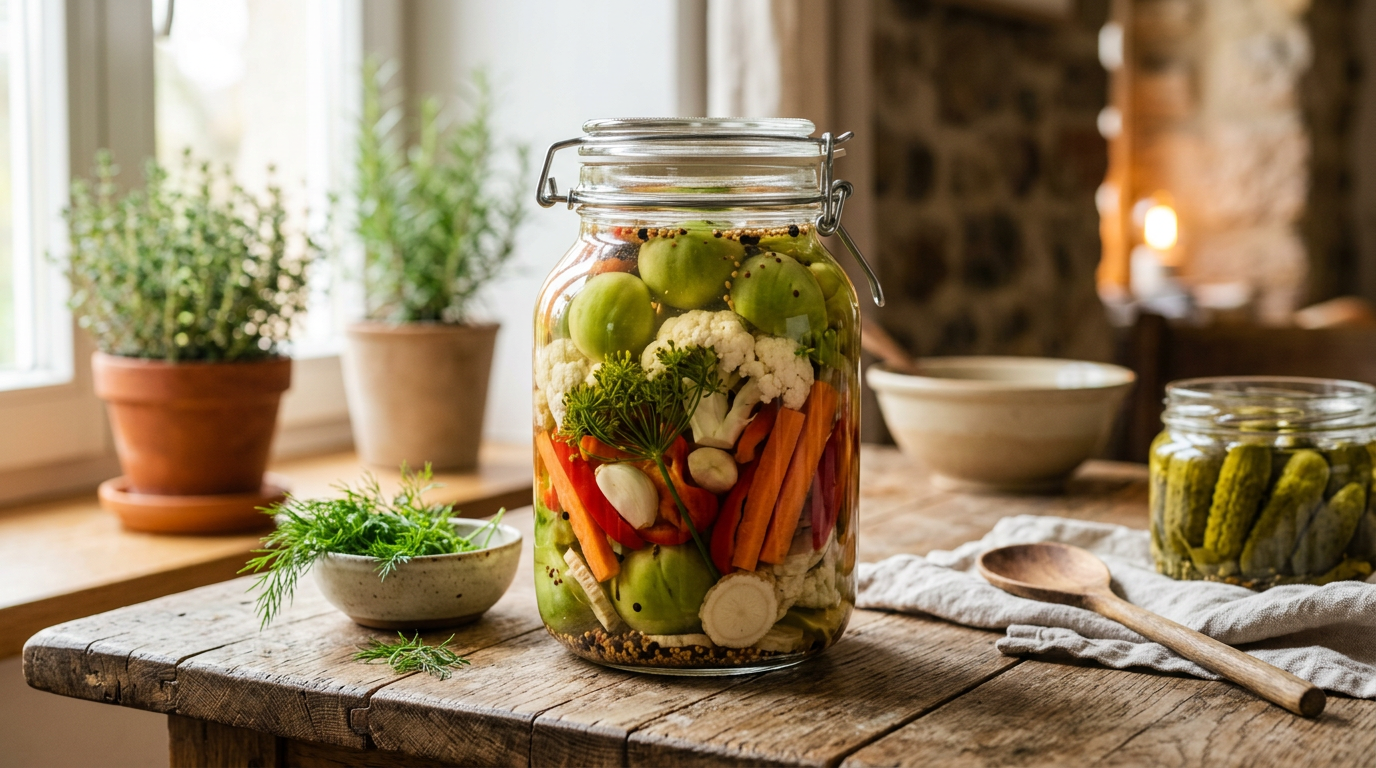
The Alchemy of Traditional Brine: The Golden Ratio and Lactic Fermentation
The foundation of any successful jar of mixed pickles is classic brine. Unlike quick vinegar pickles, natural lactic fermentation is a noble biological process: beneficial lactic acid bacteria (from the genus Lactobacillus) convert natural sugars in vegetables into lactic acid. This acts as an exceptional natural preservative, giving a clean sour taste and providing a multitude of valuable enzymes and probiotics for digestion.
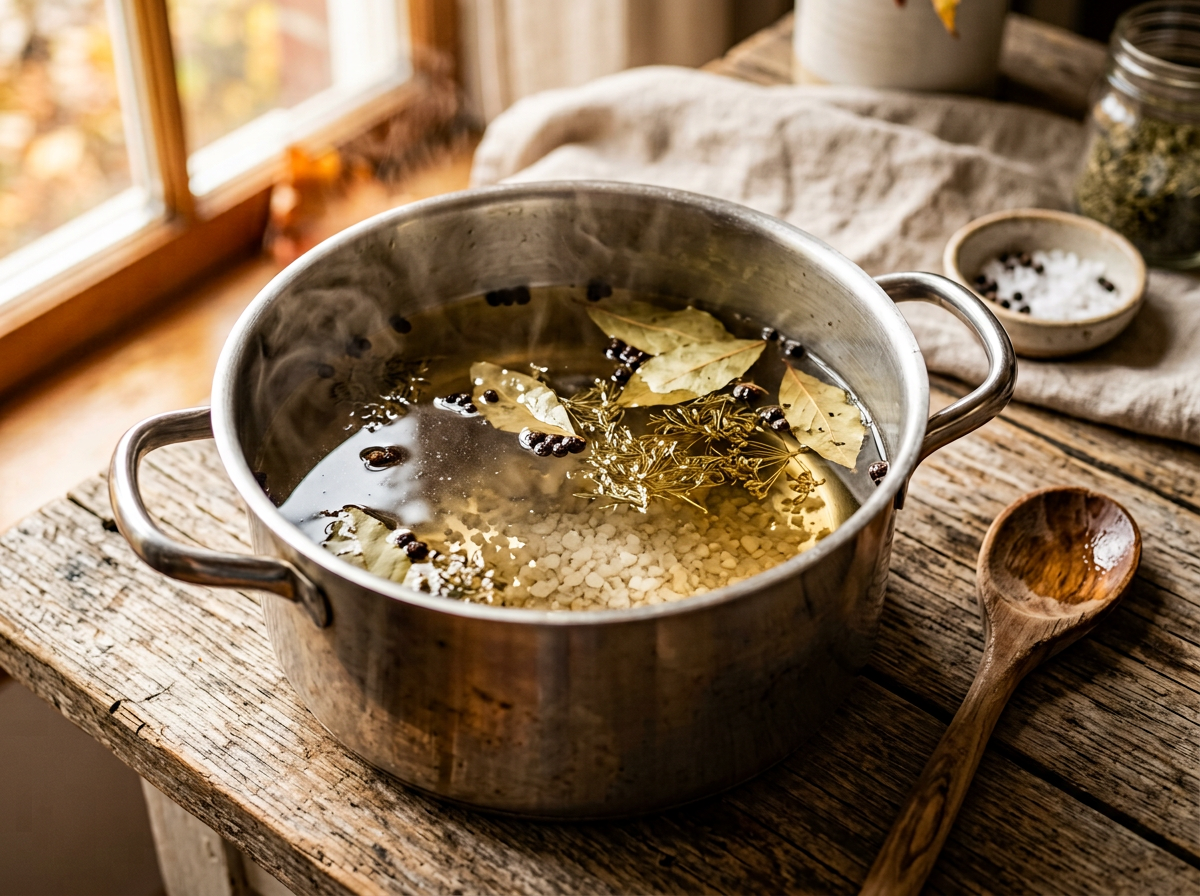
Why Is Non-Iodized Salt Mandatory?
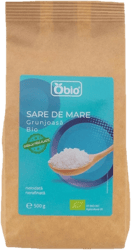
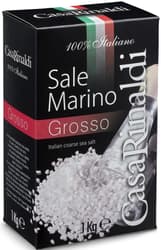
Fine table salt contains iodine and anti-caking additives (potassium ferrocyanide) that destroy lactic acid cultures and cause irreversible softening of vegetable flesh. Always choose non-iodized rock salt for pickles or coarse unrefined sea salt from the Sezamo Spices category.
Water Quality and Pouring Temperature
Tap water often contains residual chlorine, which slows down fermentation. It is ideal to use still spring water or filtered water brought to a boil for 5 minutes. For firm autumn vegetables (green tomatoes, cauliflower, carrots), the brine is poured hot (at around 85-90 degrees Celsius), opening the cellular pores for optimal salt absorption.

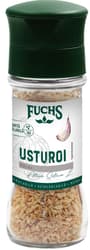
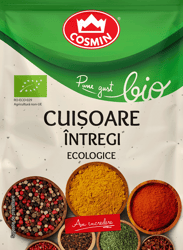
Autumn Vegetable Selection: What to Put in the Jar for a Crunchy Rainbow
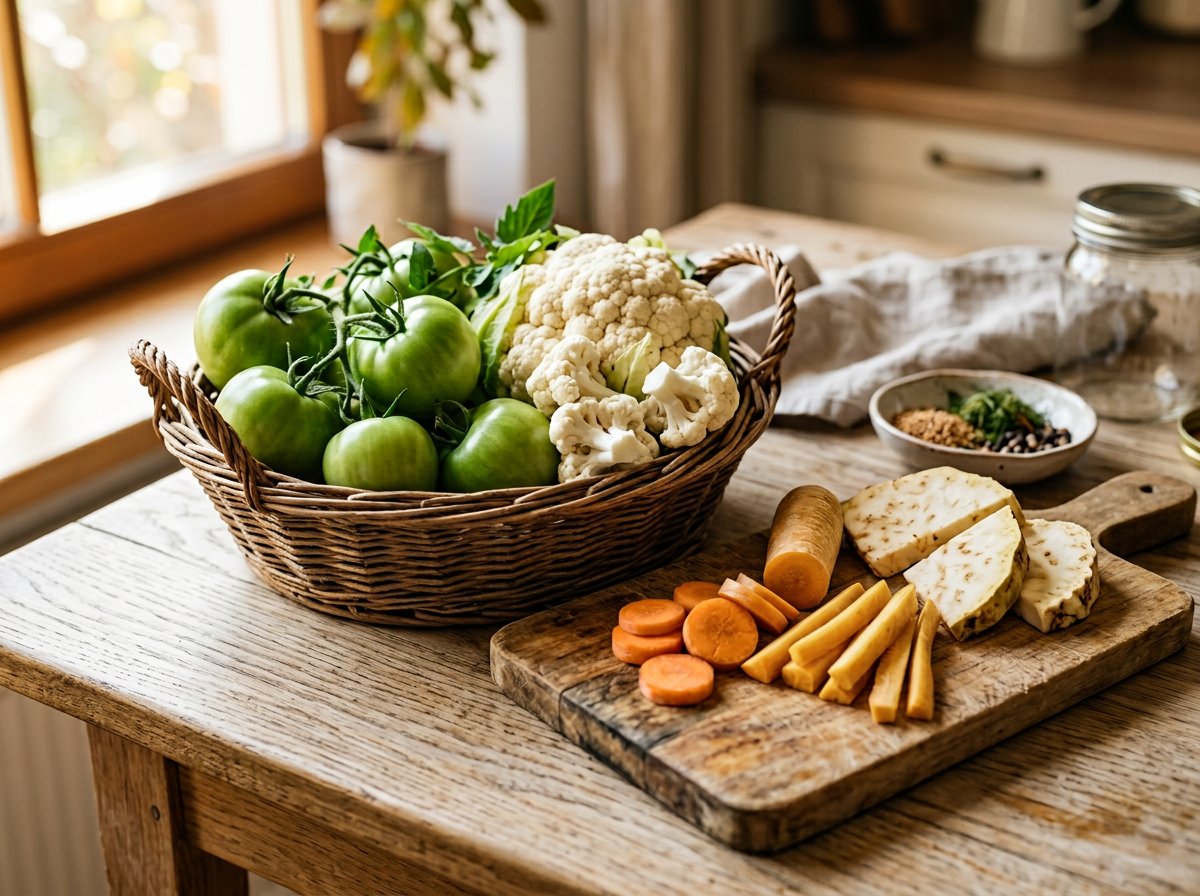
The beauty of a jar of mixed pickles lies in the harmony of flavors, textures, and vibrant colors. For an impeccable result, each variety must be at the peak of freshness, with no signs of bruising or softening. When vegetables are fresh, their flesh is dense and rich in fermentable sugars.
Green Tomatoes
Unripe tomatoes, firm to the touch, with shiny skin and fleshy pulp. They offer that intense acidity and remain impeccably crunchy.
White Cauliflower
Separated into medium-sized florets. It stays firm, absorbs the flavorful brine, and adds a spectacular color contrast to the jar.
Carrots & Parsnips
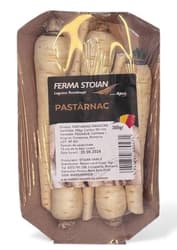
Root vegetables cut into crinkle-cut slices or batons. They bring a subtle sweetness that rounds out the salty-tangy flavor of the brine.
Celeriac & Gogosari Peppers
Generous slices of celery root and fresh celery leaves for a rustic aroma, plus quarters of fleshy gogosari peppers for a rich taste.
Ideal proportions for a 5-liter jar
To fill a 5-liter jar with a perfect balance of flavor, we recommend the following quantities: about 1.2 kg medium green tomatoes, 600g fresh cauliflower, 400g Romanian carrots, 300g celeriac root, 200g gherkin cucumbers, 2-3 hot peppers, and 100g garlic cloves.
When you order your vegetables through Sezamo Fruit & Vegetables, the products arrive directly from the warehouse kept at optimal temperature. Wash them carefully in cold water twice, drain them completely, and prepare them without fully peeling those with tender skin.

 Ferma Stoian Romanian carrots

Spices and guardians of crunchiness: The essential role of horseradish and dried dill
The spices in a jar of mixed pickles do not just add flavor; they are true active natural preservatives. The essential oils and phytochemicals released by the plants prevent the growth of harmful anaerobic bacteria and keep the cellulose structure intact.
Horseradish root: The strongest ally
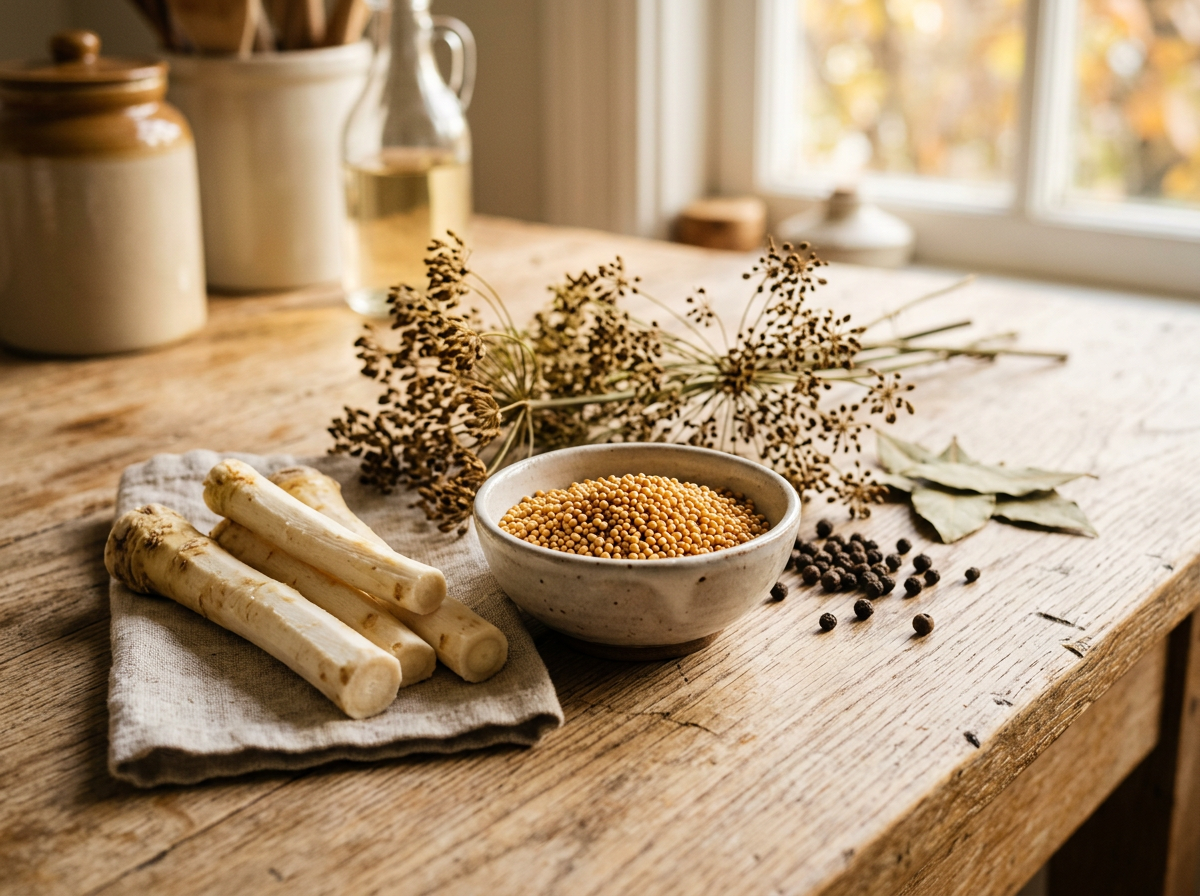
Fresh horseradish, peeled and cut into long sticks, is irreplaceable: it contains sinigrin and powerful antibacterial compounds that inhibit mold and guarantee an irreproachable crunchy texture.
Dried dill stalks with seeds
Dill harvested in autumn, with dried umbels full of aromatic seeds, gives the classic bouquet of Romanian pickles and protects the brine from oxidation.
Yellow mustard seeds and black peppercorns
Mustard seeds float to the surface and create a natural antifungal barrier, while black peppercorns add depth and a pleasant warmth to the flavor.
Garlic cloves and bay leaves
Raw garlic provides intense flavor and antimicrobial action, while bay leaves add a subtle, noble note to the entire composition.
The secret of tradition: Sour cherry, oak, or horseradish leaves
If you place a layer of fresh sour cherry or oak leaves at the top of the jar, the natural tannins slowly released into the brine will act as a protective shield against the softening of the vegetables in the top layer.
Jar Packing Technique: Step-by-Step Guide to Compact Layering
Arranging vegetables in a jar is both a visual art and a technical necessity. A compactly packed jar prevents vegetables from floating to the surface, eliminates air pockets, and ensures perfectly controlled anaerobic fermentation.
Preparing and sanitizing the jars
Thoroughly wash the large glass jars (3, 5, or 10 liters) with hot water and dish soap, rinse abundantly, and sterilize them in an oven preheated to 100 degrees Celsius for 15 minutes.
The aromatic base layer
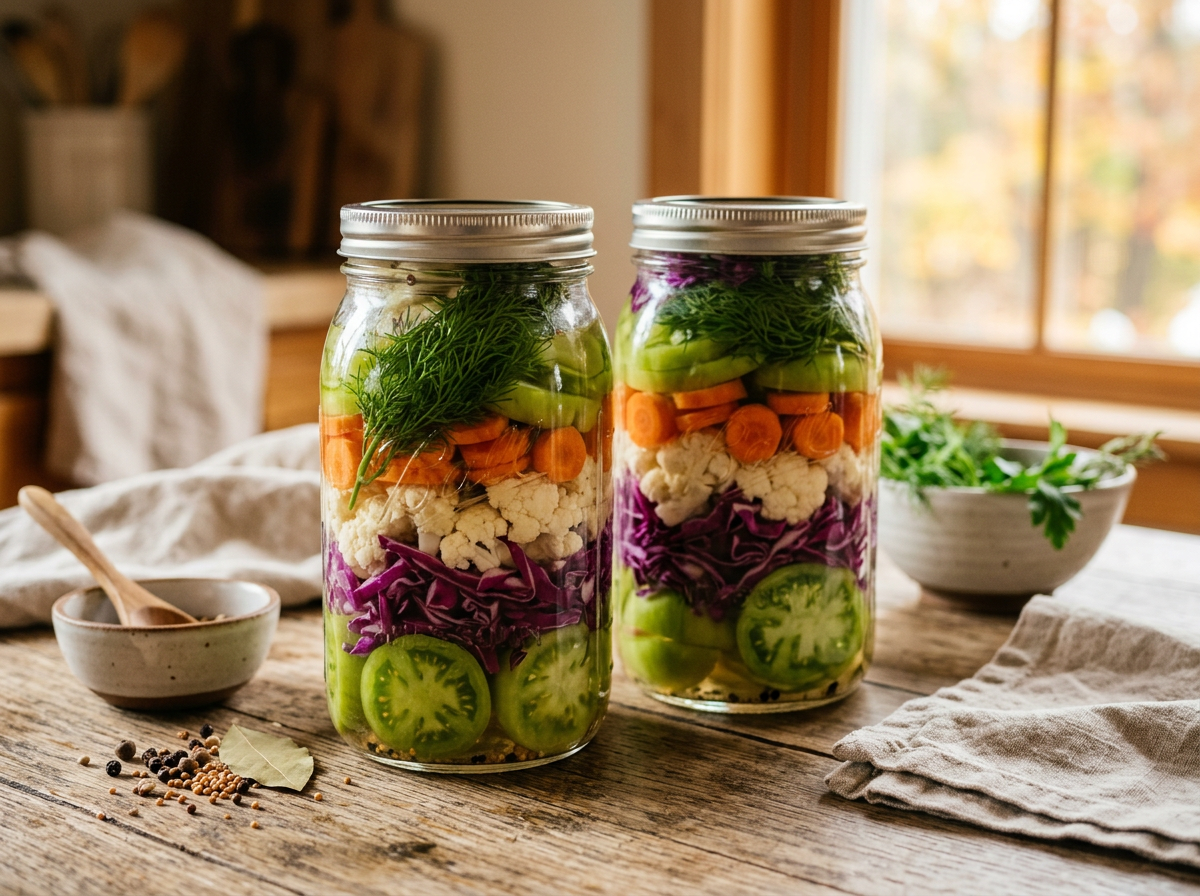
Place snapped dried dill stalks, celery leaves, 3-4 halved garlic cloves, and a few thick strips of fresh horseradish at the bottom of the jar.
Tightly packing the vegetables
Alternate whole green tomatoes at the base with cauliflower florets, carrot sticks, and celery slices. Press down firmly, filling any empty spaces with gherkins and garlic cloves.
Pouring the brine and securing
Pour the hot brine up to the rim of the jar. Secure two thin crossed wooden slats or sour cherry twigs on top to keep all vegetables completely submerged.