Pumpkin pie: secrets, dough and autumn flavors
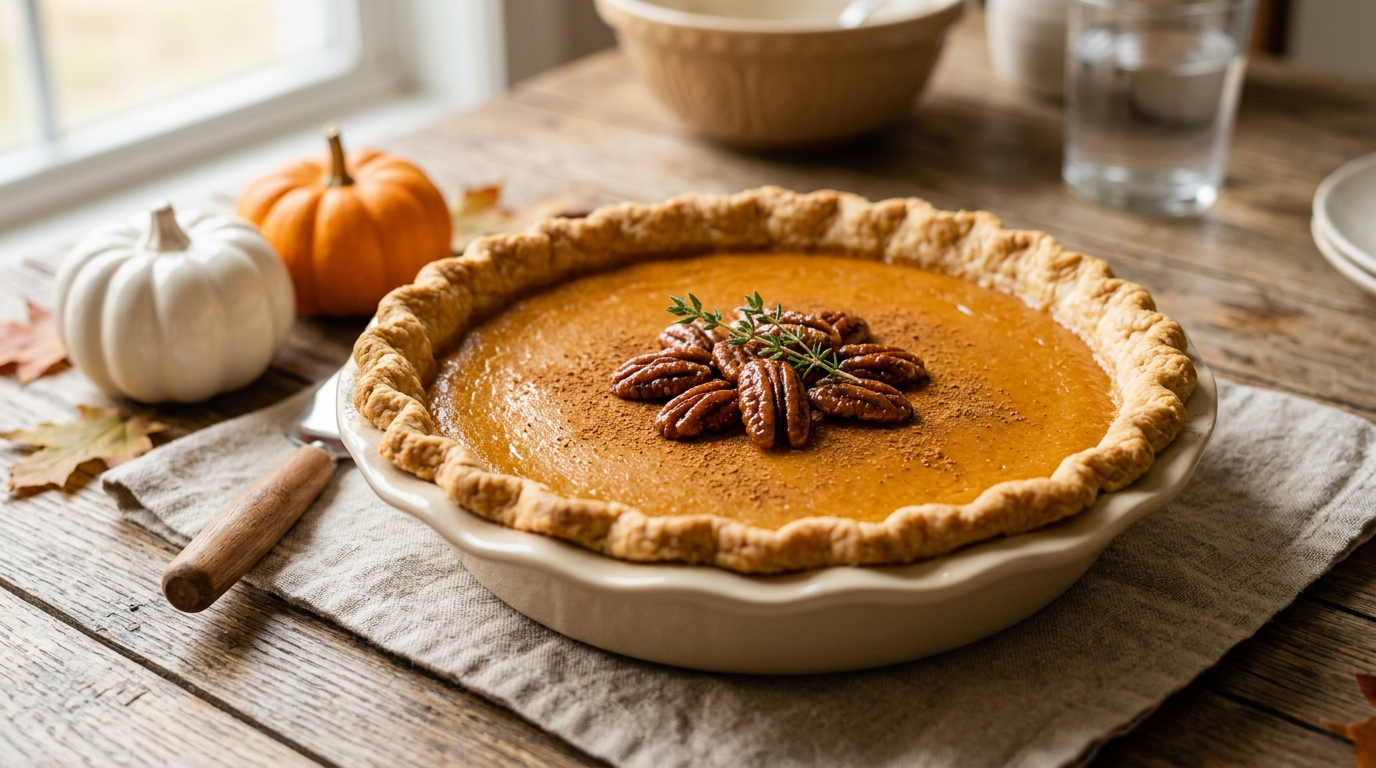
Nothing heralds the arrival of autumn more warmly than the aroma of a pie fresh out of the oven, where roasted pumpkin blends with the rich scent of cinnamon and toasted walnuts. Whether you prefer delicate, crispy pastry layers like in grandmothers' recipes or a rich, crumbly all-butter crust, the secret to a perfect dessert lies in the quality of the ingredients and a few simple technique tips that we discover together.
Pie pumpkin: the sweet and golden heart of autumn
Choosing the pumpkin is not just a shopping step, but the foundation upon which the entire flavour of the dessert is built. When the flesh is dense, sweet, and full of flavour, you need very little added sugar to make a memorable pie.
On Sezamo's virtual shelves, you will find the Butternut variety, renowned for its elongated pear shape and fleshy pulp with very few seeds. Unlike giant decorative pumpkins, Butternut offers a silky texture and subtle notes of nuttiness and browned butter. It is the perfect choice for an organic pumpkin pie made by the book.
When you order fresh vegetables from Sezamo's vegetable category, the courier brings you specimens that are heavy for their size, with a firm, matte skin. This guarantees that the interior flesh is meaty, optimally hydrated, and bursting with natural flavours.
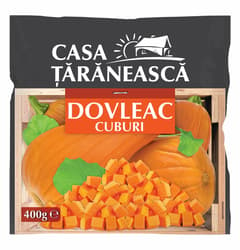
If you are pressed for time or simply want to skip the peeling and grating steps, you can also confidently turn to frozen cubed or pre-portioned pumpkin. It is harvested in peak season and flash-frozen, keeping all its nutritional properties and characteristic sweetness intact.
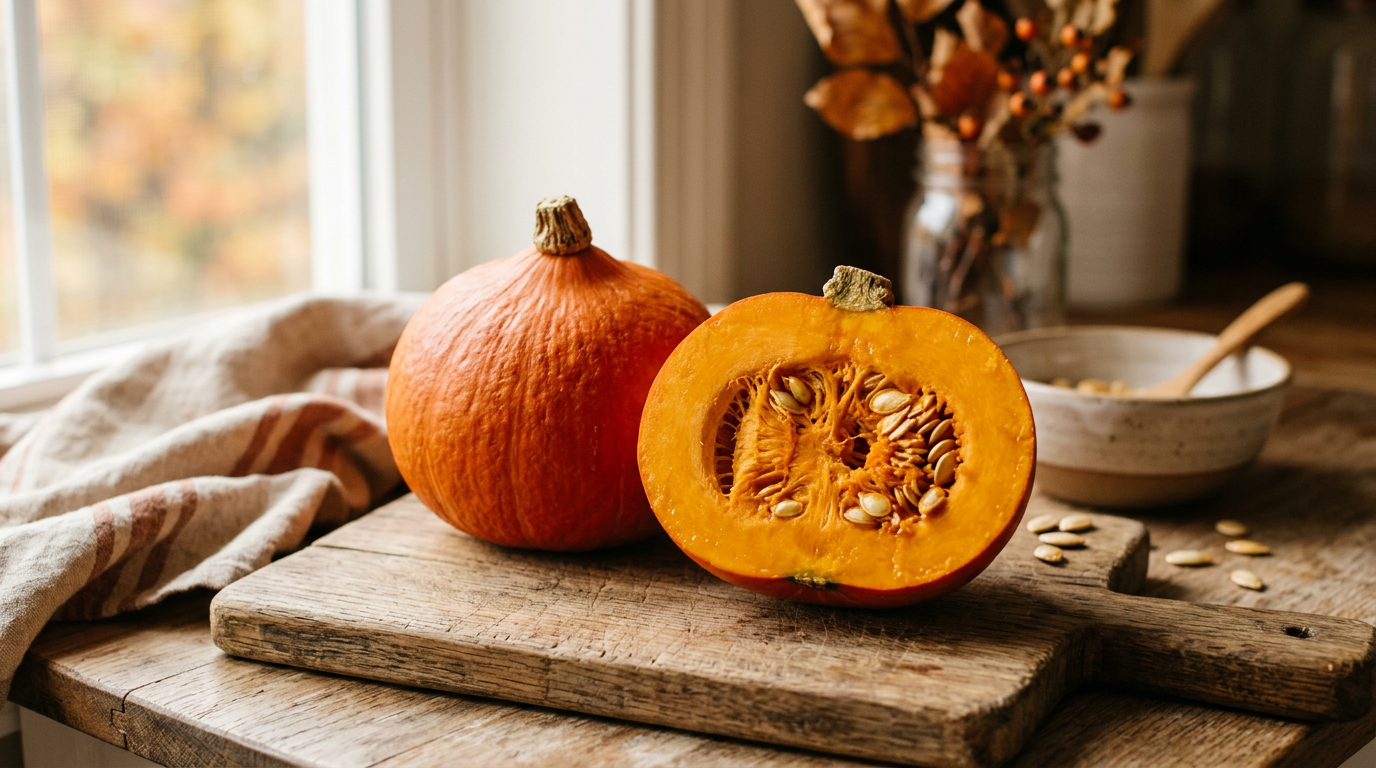
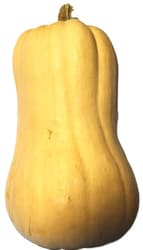

 Cosul cu Fructe ECO Dovleac placintar min 1.5Kg
The dough: the crispiness that holds the story
The texture of the dough defines the pie's personality. Between nostalgic, delicate rolled filo sheets and tender shortcrust rich in French butter, each choice brings a distinct delight to the plate.
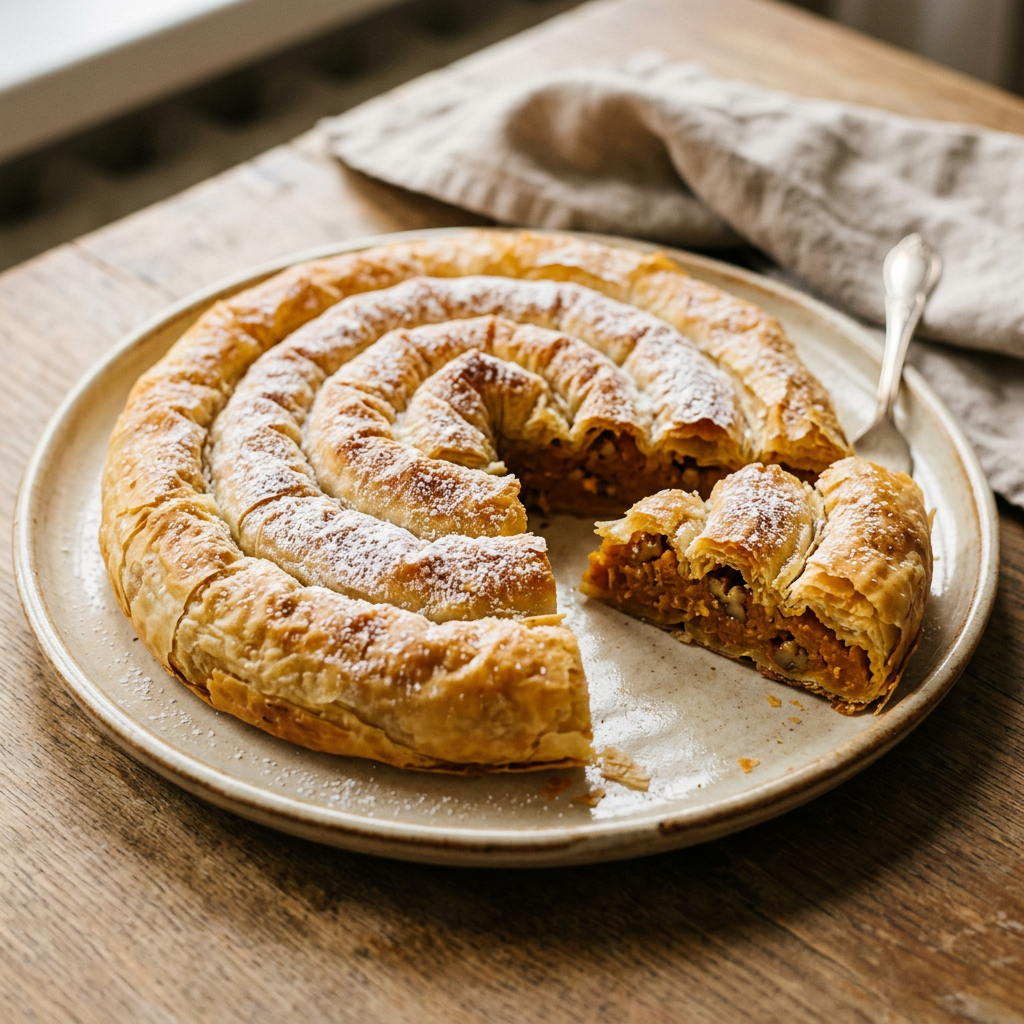
Thin filo sheets and airy puff pastry
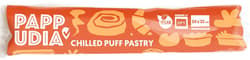
This is the classic recipe of childhood. Delicate pastry sheets generously brushed between layers with melted butter or oil turn into a crisp, golden crust during baking. If you are looking for a quick and extremely flaky solution, use Pappudia fresh puff pastry, pre-rolled on baking paper from the Sezamo doughs and pastries range. Simply unroll it directly onto the baking tray, add the filling, and roll effortlessly.
Shortcrust pastry with plenty of butter
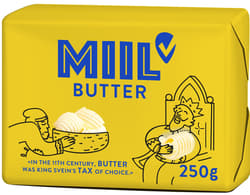
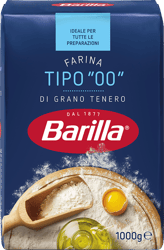
For a melt-in-your-mouth tart-style pie, homemade shortcrust pastry is unmatched. The secret lies in using quality butter with at least 82% fat, such as Miil fresh butter, cut into ice-cold cubes. Quickly mix the butter with fine plain flour (type 000) and a few tablespoons of ice-cold water, without overworking the dough. Chilled for 30 minutes, the dough will remain crumbly and delicious.
Thick filling: the secret to avoiding excess liquid
The most common pitfall with pumpkin pie is the accumulation of liquid at the bottom of the pan, which softens the pastry and compromises its crispy texture. Here are the three essential steps to turn pumpkin into a dense, stable filling.
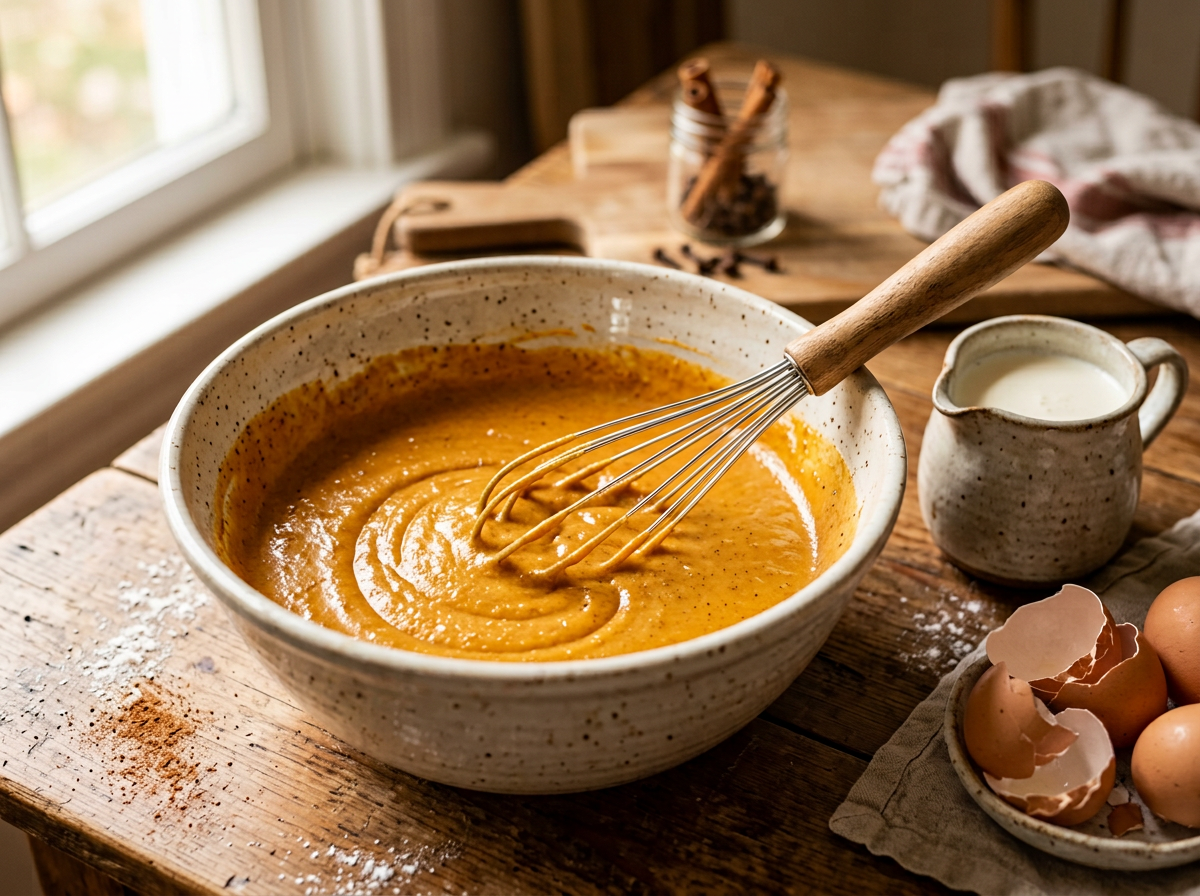
Raw pumpkin contains approximately 90% water. The moment you add sugar, osmosis quickly draws the juice out of the plant fibers. If this mixture goes raw directly onto the pastry sheets, the result will inevitably be a soggy, underbaked pie base.
The secret of great pastry chefs lies in pre-cooking the pumpkin with a little Kitchin brown cane sugar from the Sezamo flour and sugar section. The heat evaporates the free liquid, while the sugar melts into an aromatic syrup that coats every strand of pumpkin.
For complete certainty, fine semolina or golden breadcrumbs sprinkled into the mixture act like a discreet sponge. You will not taste their texture, but you will get firm, clean slices that are easy to portion.