Autumn mulled wine: The aromatic recipe and secrets of flavor
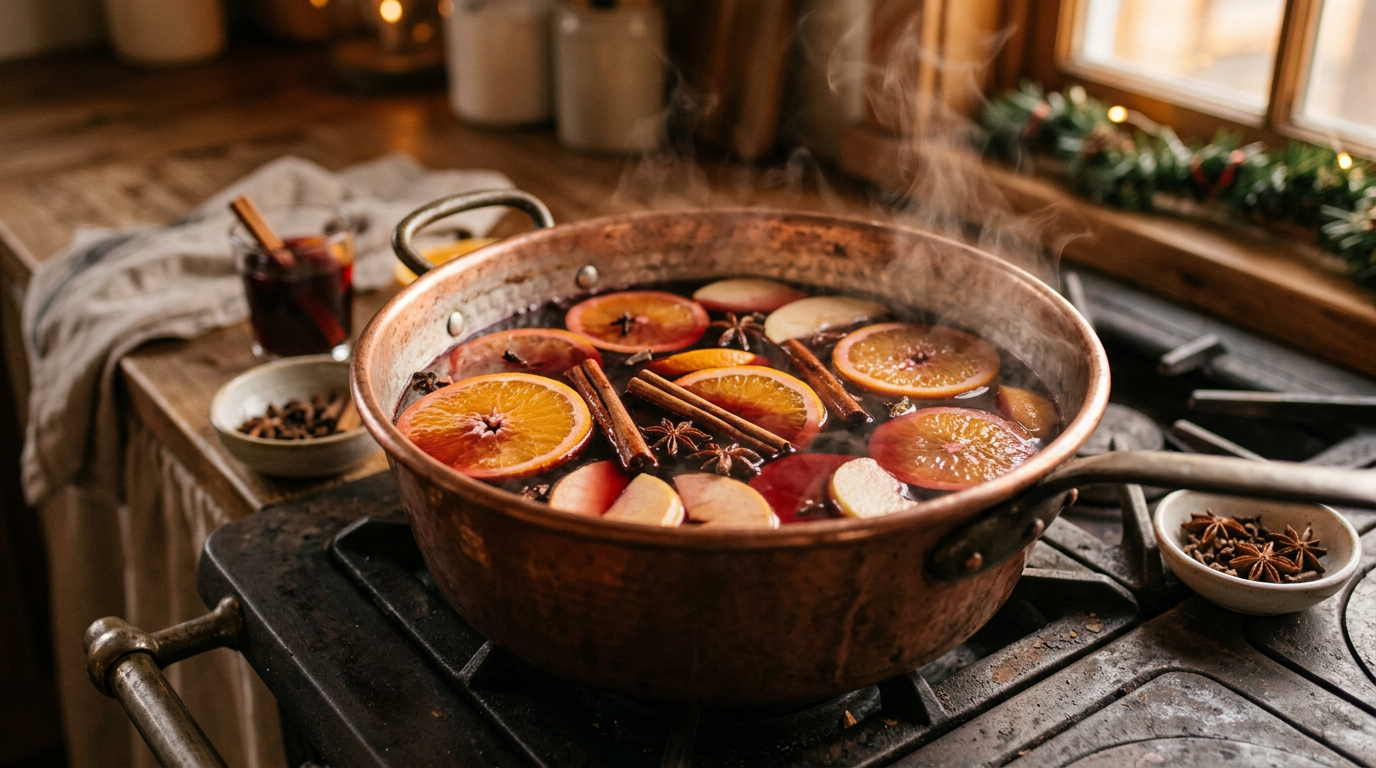
For many of us, mulled wine is instinctively associated with winter markets, but how many times have you received a mug of wine that was far too sweet, boiled until every noble grape note was completely depleted, with a harsh taste and synthetic aromas? Real mulled wine is an art of balance. It is not a drink hastily improvised from leftover wine forgotten in the fridge, but a harmonious composition in which the velvety tannins of a good red wine intertwine with the essential oils of citrus fruits, the warm fragrance of whole spices, and the clean sweetness of natural honey from local beekeepers.
Whether you are hosting a relaxing evening with loved ones or looking to curl up on the couch with a good book and a steaming mug in hand, this guide reveals all the steps to turn mulled wine into a true gastronomic experience. On Sezamo you will find all the fresh ingredients, from wines from Romanian wineries to organic citrus fruits and raw honey, delivered straight to your door in 3 hours.
The most common mistake when making mulled wine is buying a sweet or semi-sweet wine of questionable quality, under the pretext that spices and sugar will be added anyway. In reality, heat amplifies the wine's flaws: volatile acidity, harsh tannins, or chemical notes become much more pronounced when the liquid heats up. In addition, pre-sweetened wines give you no control over residual sugar, often resulting in a syrupy, heavy drink that masks the freshness of the citrus fruit.
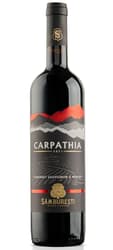
For a balanced, noble, and aromatic mulled wine, always choose a dry red wine or at most semi-dry, with medium to full body and well-defined fruity notes. Dry wine gives you the perfect blank canvas to paint on: you decide how much honey or sugar to add, letting the natural grape tannins provide structure and depth.
Avoid wines excessively aged in new oak barrels, as the pronounced woody and artificial vanilla notes can clash with the cinnamon and cloves, resulting in a bitter finish.
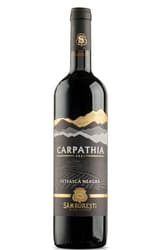
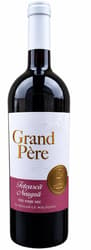
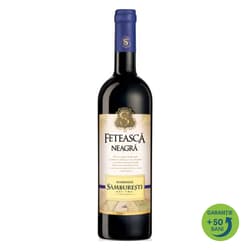
 Crama Bratu Dry Red Wine Feteasca Neagra Grand-Pere
-
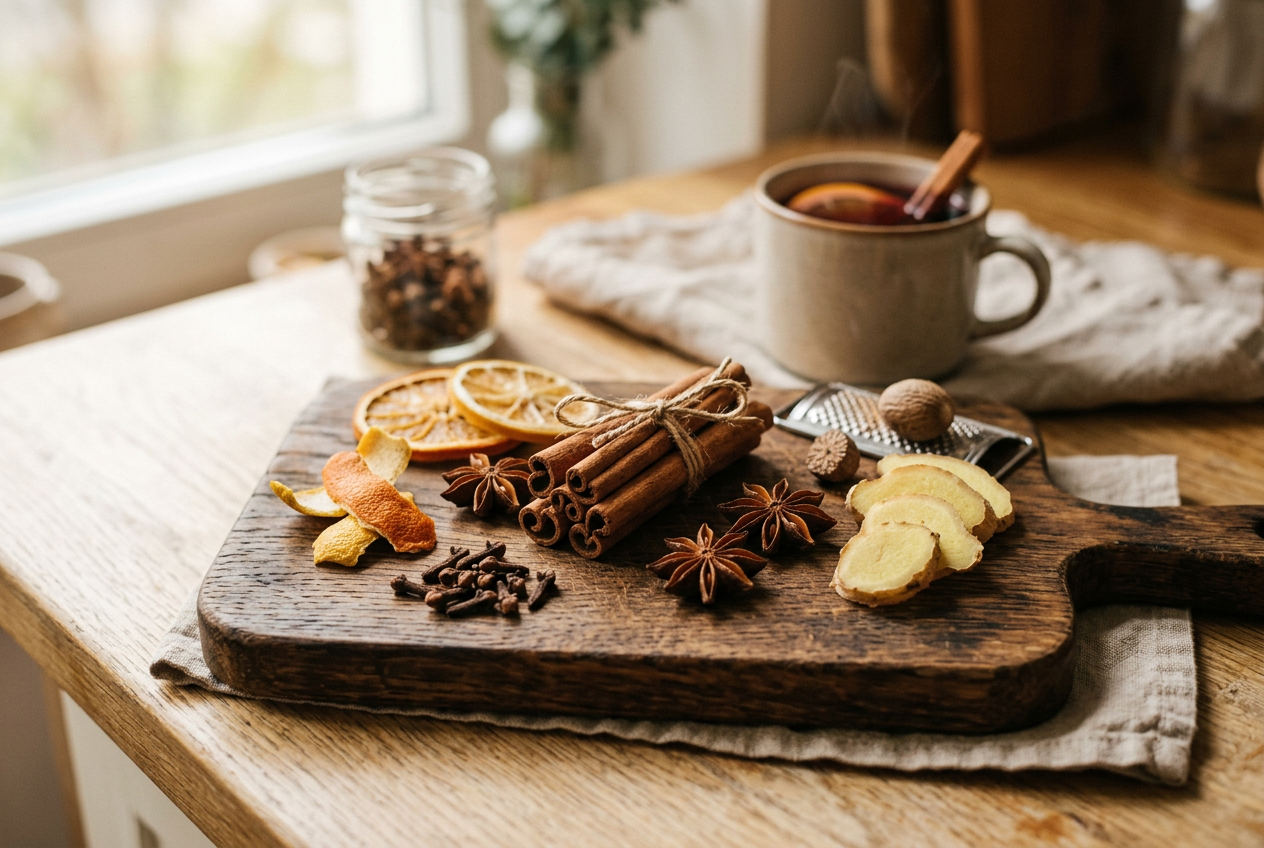
Whole cinnamon sticksBrings warmth, woody sweetness, and that unmistakable aroma. Always use whole sticks, not powder, to keep the wine clean and clear.
-
Aromatic whole clovesOffer a pungent, deep, and slightly numbing note. Pay attention to the dosage: 4 to 6 cloves per bottle of wine are enough so as not to become overwhelming.
-
Star aniseThe visual and aromatic jewel of the pot. Its subtle licorice notes bring oriental elegance and a lovely roundness to the drink.
-
Freshly grated nutmegHalf a knife-tip of finely grated nutmeg ties all the flavors together into a velvety, sophisticated bouquet.
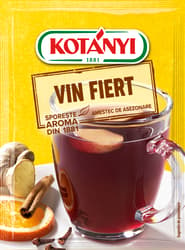
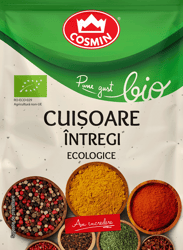
Alongside the classic trilogy of cinnamon, cloves, and star anise, you can also explore other dried spices that make the difference between an ordinary mulled wine and a spectacular one. A few lightly crushed black peppercorns or two allspice berries provide a subtle warmth in the throat, ideal for freezing days. If you like Nordic flavors, two lightly cracked green cardamom pods will bring a fresh, mentholated, and citrusy note.

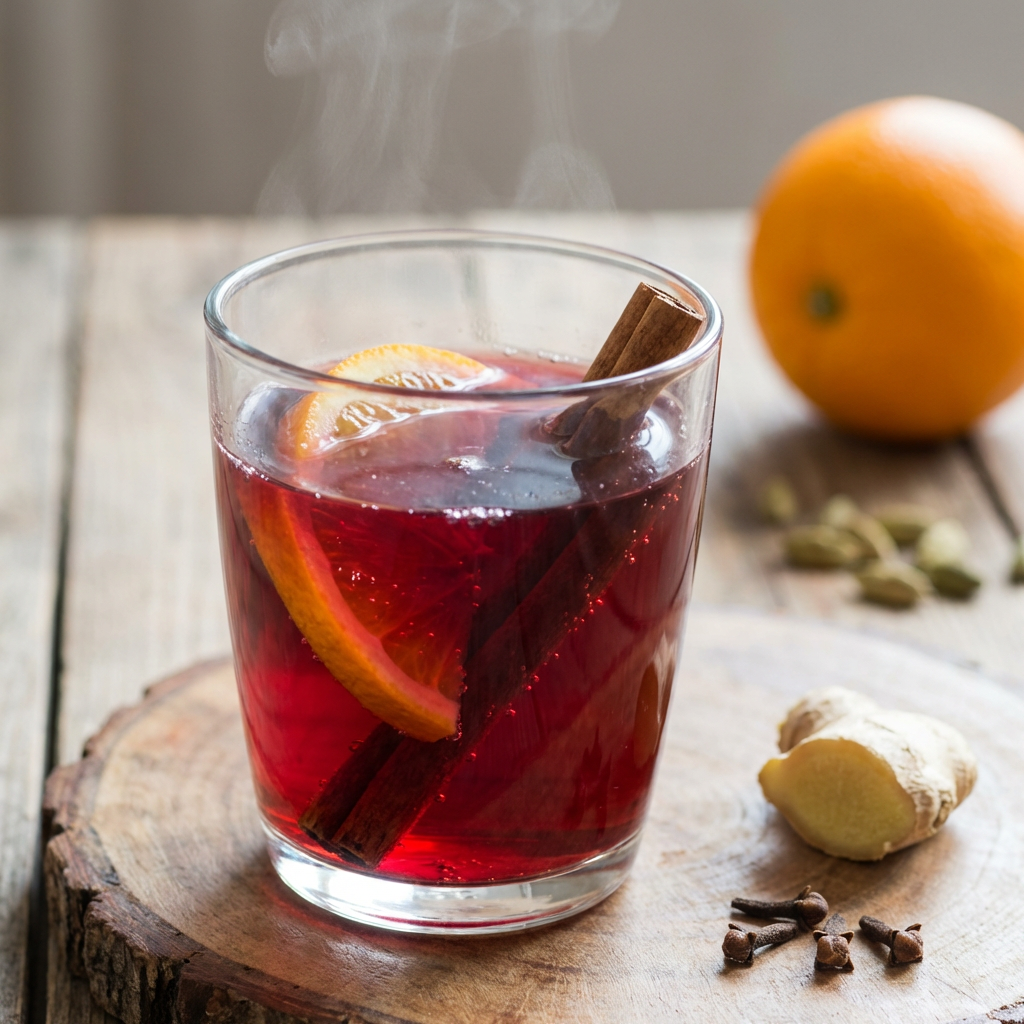
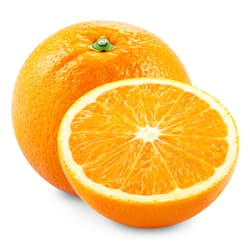
For an intense aroma, squeeze the juice from half an orange directly into the wine before heating, and cut the other half into thin rounds and let it float in the pot. This way, the wine gains both juicy acidity in depth and the fresh fragrance released by the peel on the surface. If you want a rustic touch of warm compote, a few slices of Romanian apple added in the last ten minutes of steeping will round out the flavor in a spectacular way.