Cum se prepară ciorba de burtă ca la restaurant
Ciorba de burtă perfectă nu e un moft de bucătar, ci o chestiune de tehnică. Trei pași bine făcuți, o supă de oase limpede, o dregere catifelată și accentele potrivite de usturoi cu oțet, te duc direct la gustul acela de restaurant care te face să ceri încă un polonic. Hai să vedem exact cum se face, pas cu pas, chiar în bucătăria ta.
Cum știi că ești pe drumul cel bun
Înainte să intri în detalii, iată cum recunoști o ciorbă de burtă reușită și, pe scurt, prin ce etape mari treci ca să ajungi acolo. Dacă bifezi toate semnele de mai jos, ești gata de masă.
Semnele că e gata
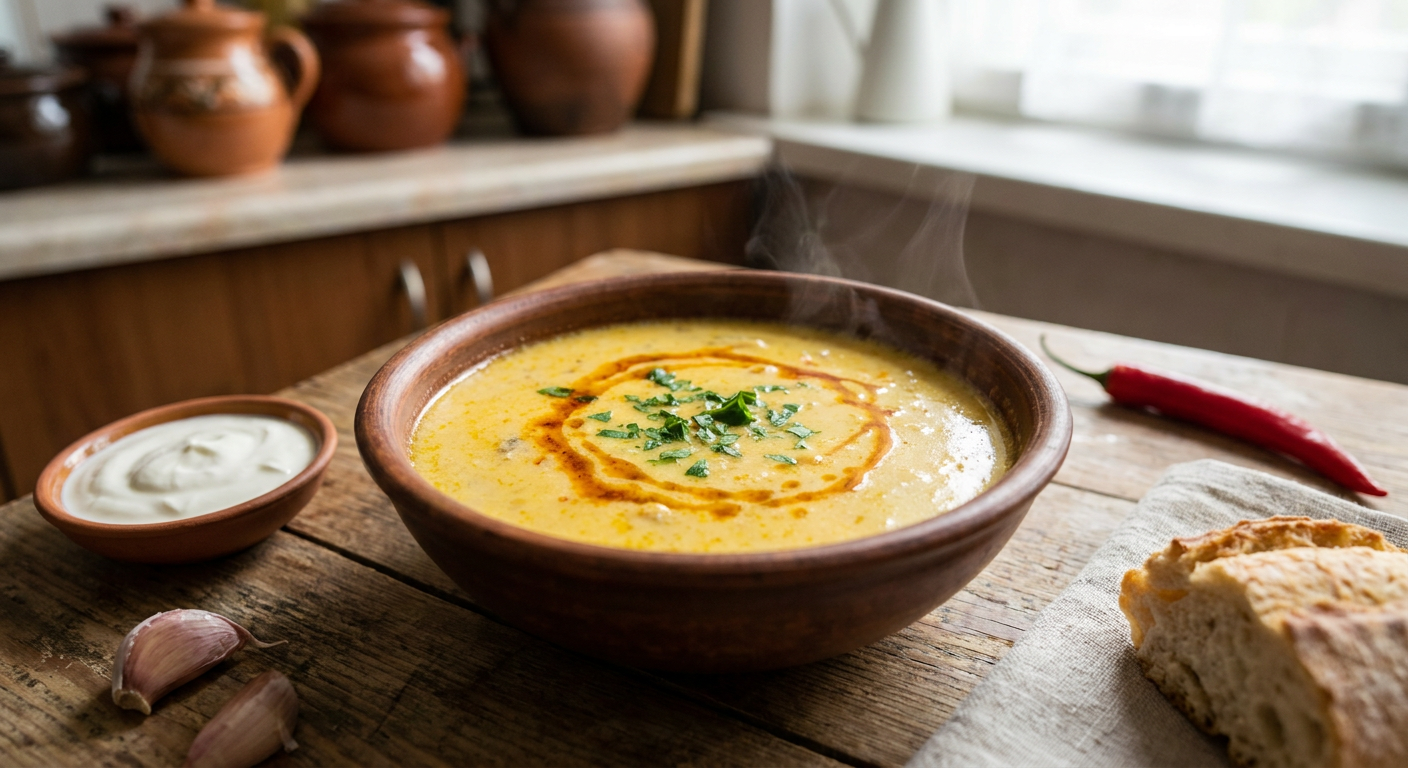
- Supa e limpede, nu tulbure sau grasă la suprafață.
- Burta e fragedă la furculiță, nu elastică la mestecat.
- Dregerea e catifelată, fără firișoare de ou.
- Gustul e echilibrat între gras, acru și usturoi, nu doar sărat.
Pe scurt, în 4 pași
- Fierbi o supă de oase limpede, la foc mic, minimum 2 3 ore.
- Fierbi burta separat, cu apa schimbată, până devine fragedă.
- Dregi cu smântână și gălbenușuri temperate treptat.
- Adaugi usturoiul, oțetul și ardeiul iute chiar la final.
Fundația: o supă de oase limpede și bogată
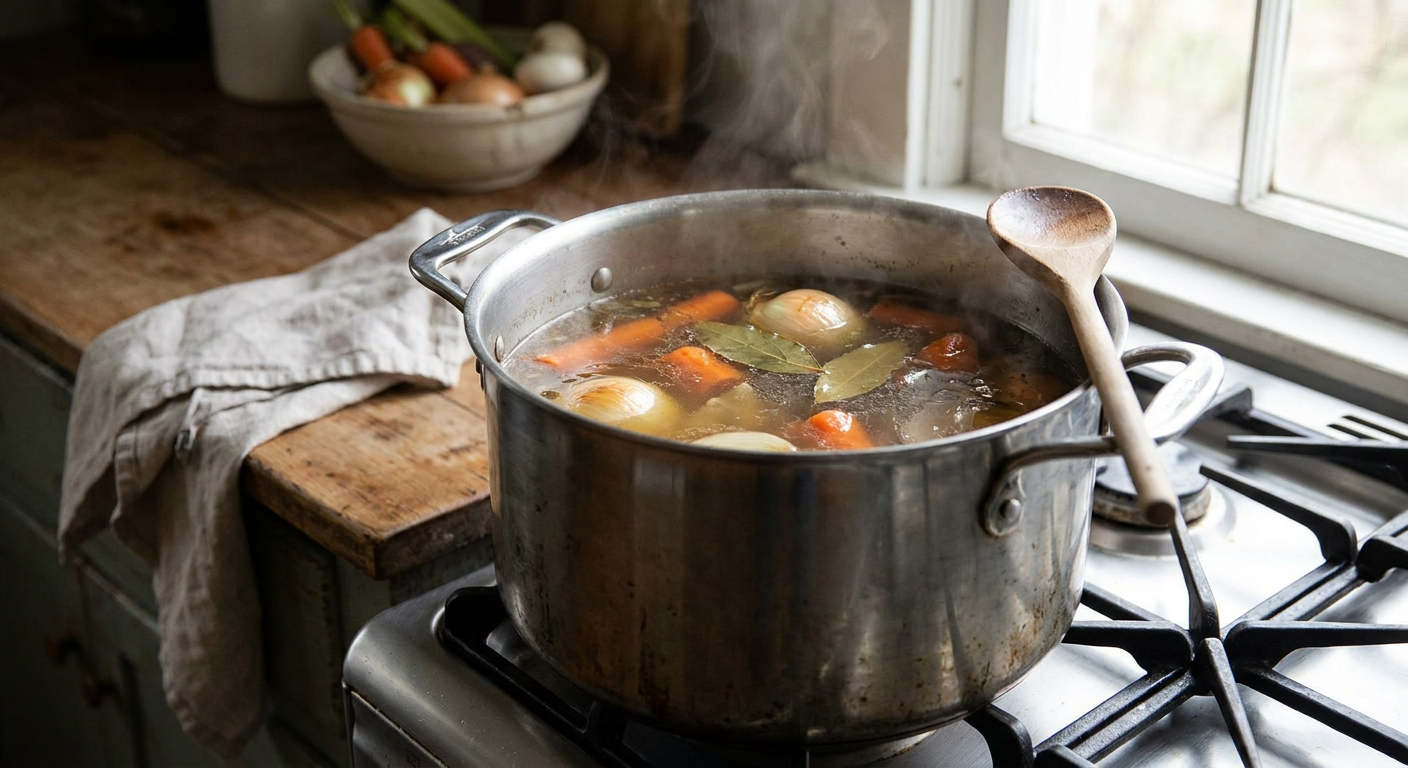
Orice ciorbă de burtă bună pornește de la un fond de oase făcut cu răbdare, nu de la apă cu cub de supă aruncat în grabă. Oasele de vită fierte încet scot un gust rotund, dulceag, care susține toată ciorba mai târziu, când adaugi burta și dregerea. Dacă superi acest pas, nicio smântână din lume nu mai salvează gustul final. Așa că merită să-i dai timpul lui, chiar dacă înseamnă să pornești oala cu o oră mai devreme.
Burta, tratată cu răbdare
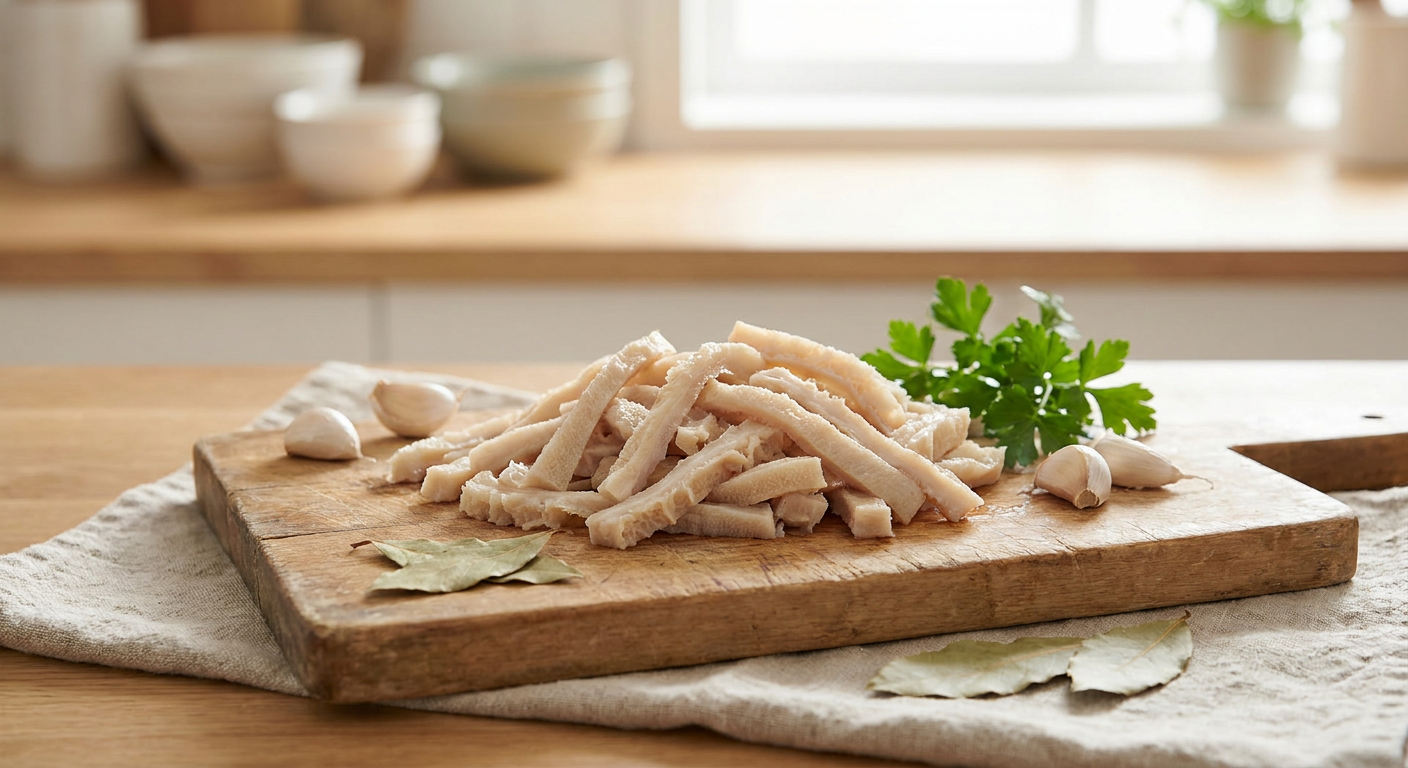
Burta de vită are nevoie de răbdare înainte să ajungă în oală alături de supă. Dacă o grăbești, rămâne cauciucoasă la mestecat și lasă un miros puternic în toată bucătăria. Tratată corect, devine fragedă, aproape că se topește în ciorbă și nu mai lasă nimic nedorit în urmă, nici gust, nici aromă.
Dregerea: sufletul cremos al ciorbei
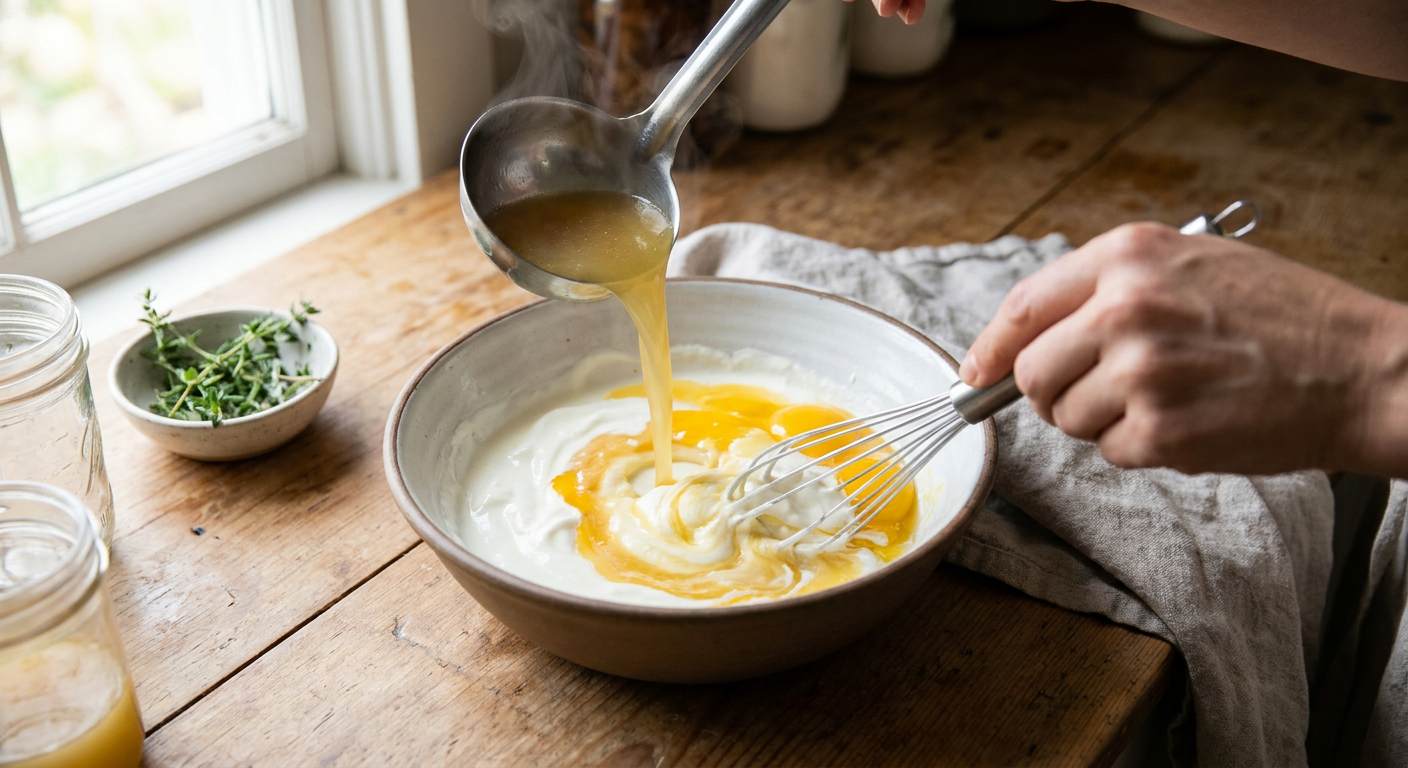
Aici se joacă, de fapt, tot meciul. Dregerea din gălbenușuri și smântână este ce transformă o supă obișnuită într-o ciorbă de burtă cremoasă, mătăsoasă, exact ca la restaurantele bune. Greșită, îți dă o ciorbă tăiată, cu firișoare de ou plutind în ea în loc de cremă. Făcută bine, iese omogenă și catifelată din prima lingură, fără niciun cocoloș.
Accentele care fac diferența: usturoi, oțet, ardei iute
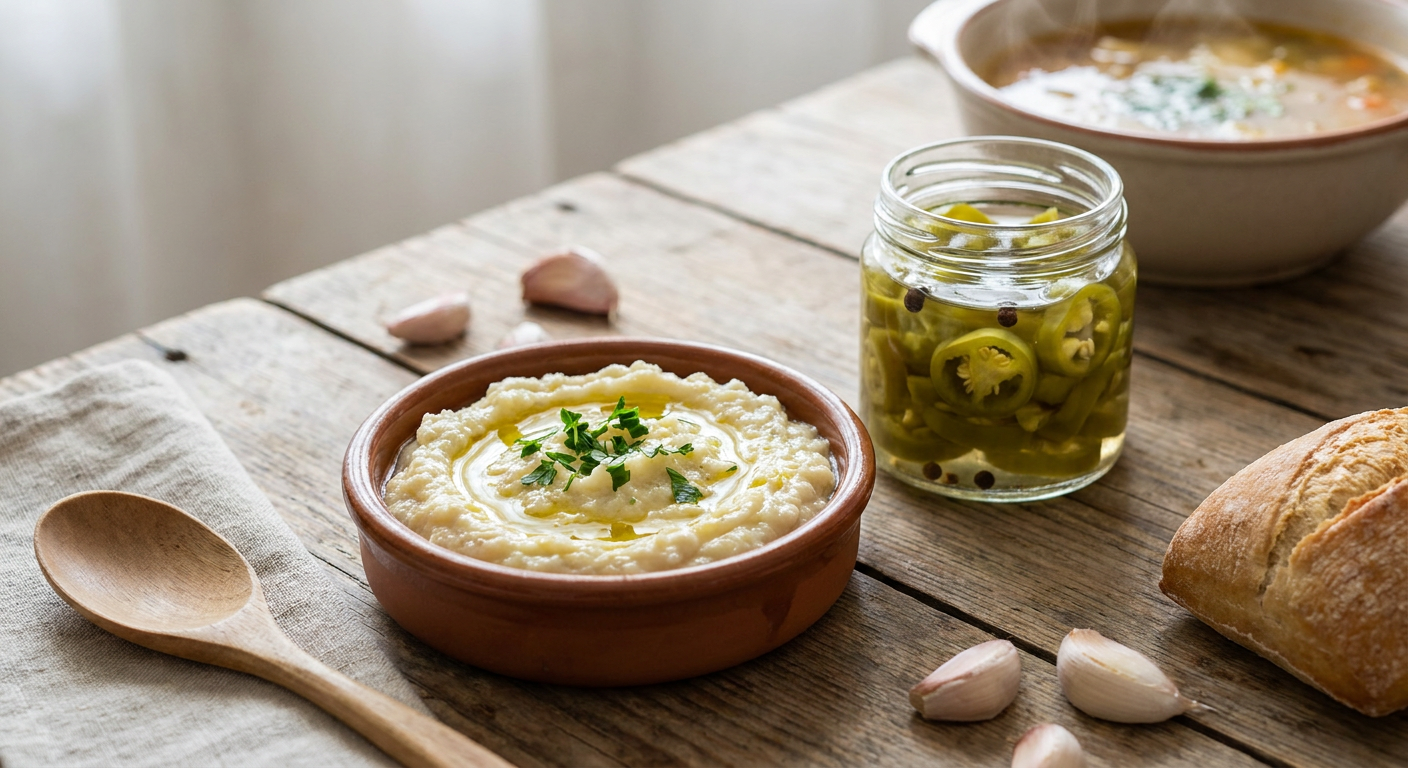
Ciorba de burtă fără mujdei de usturoi și fără o urmă de acru nu e completă, oricât de bine ai făcut supa și dregerea. Aceste accente finale sunt cele care îi dau personalitate și o fac să te trezească din prima lingură, nu doar să te sature. Se adaugă mereu la urmă, niciodată în timpul fierberii.