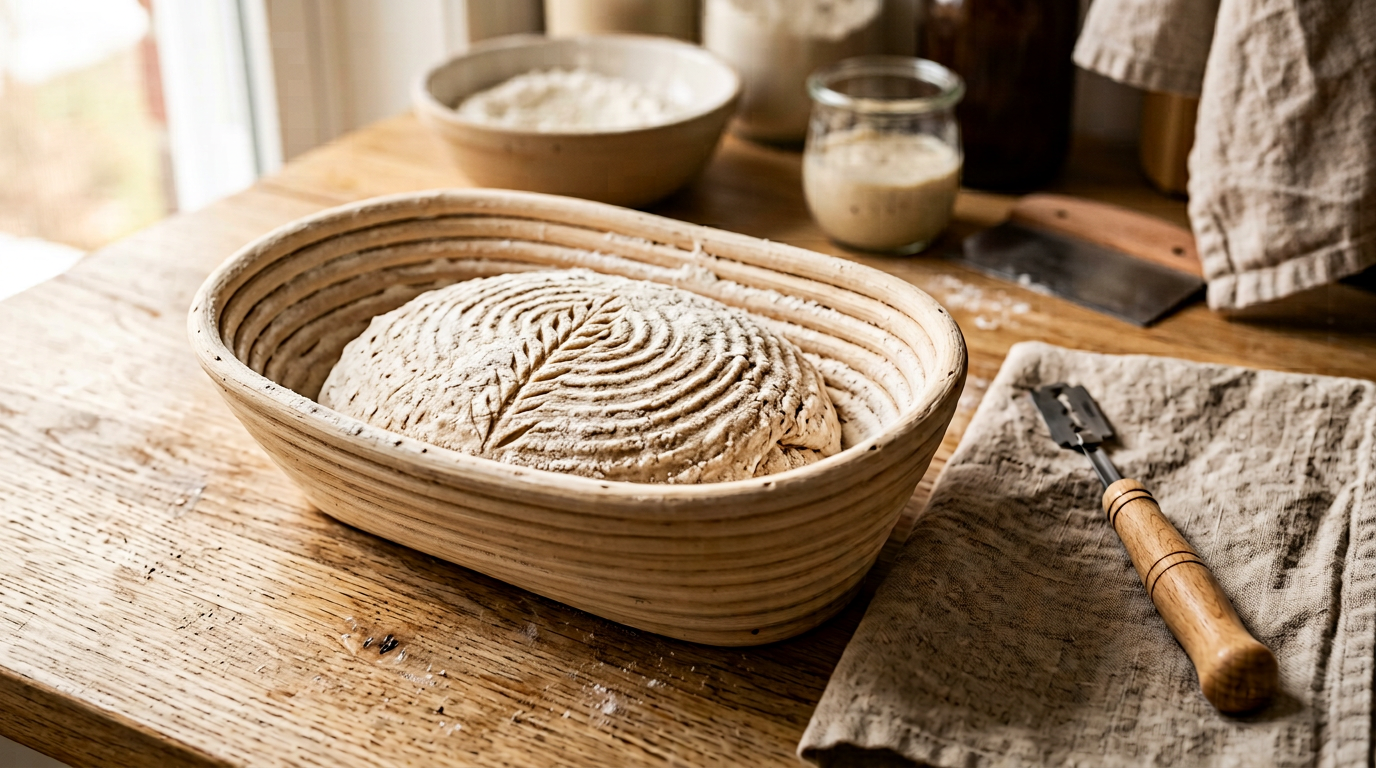
Whole grain bread vs. white bread: The complete nutritional guide
Bread represents the heart of any authentic meal, but choosing between a dense whole-grain bread and a crusty white bread often sparks heated debates. In this comprehensive guide, we explore the nutritional profile, glycemic index, secrets of sourdough fermentation, and how you can mindfully choose the right variety for every moment of the day directly from the Sezamo artisan bakery.
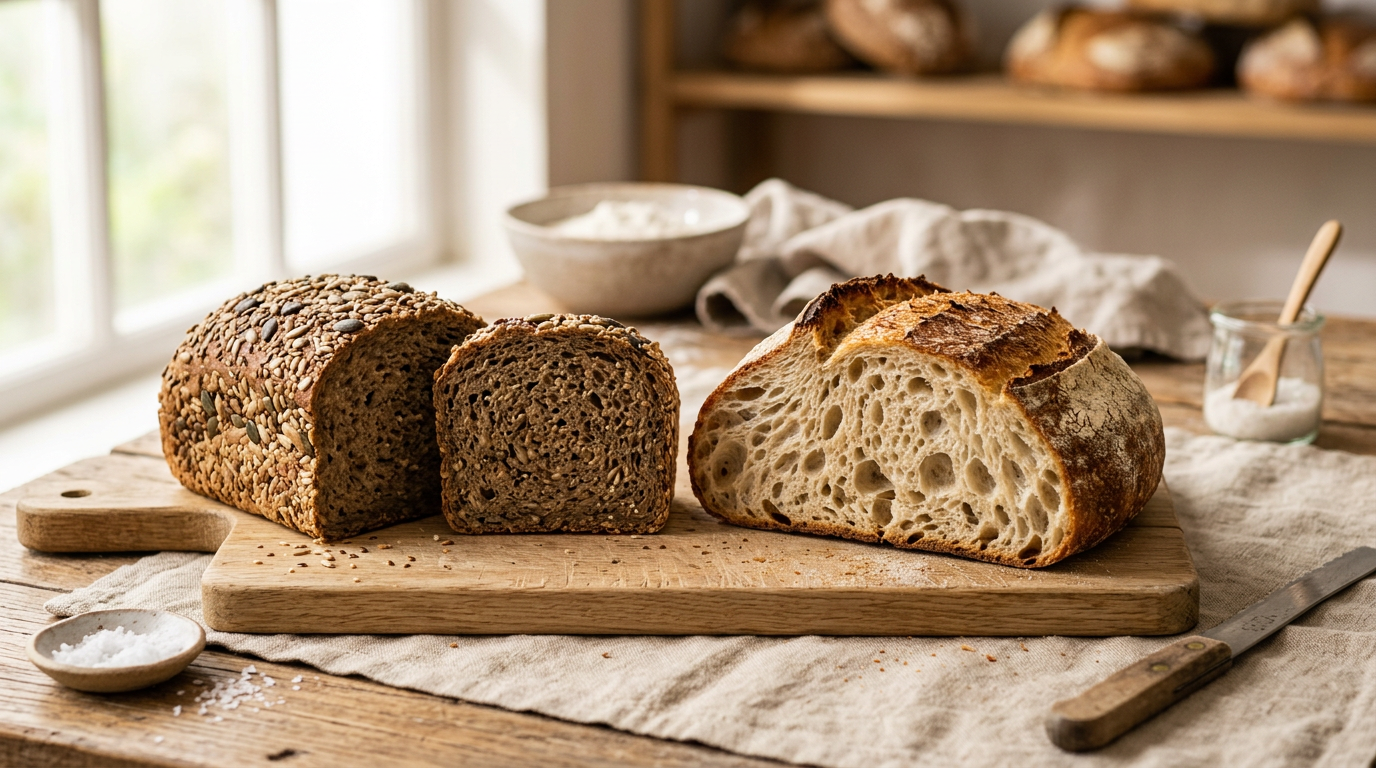
Anatomy of the cereal grain: the essential difference between whole and refined
To understand why whole-grain bread behaves completely differently in the body compared to white bread, we need to look at the structure of the wheat grain. Nature created the cereal grain as a complete nutritional package, where each layer serves a specific biological role.
Traditional white bread is made exclusively from the endosperm, the central layer rich in starch and structural proteins such as gluten. In the industrial refining process, the protective outer bran and the living germ are removed to ensure a fine, white flour with a long shelf life. Unfortunately, this refining eliminates over 75% of natural minerals and almost all dietary fiber.
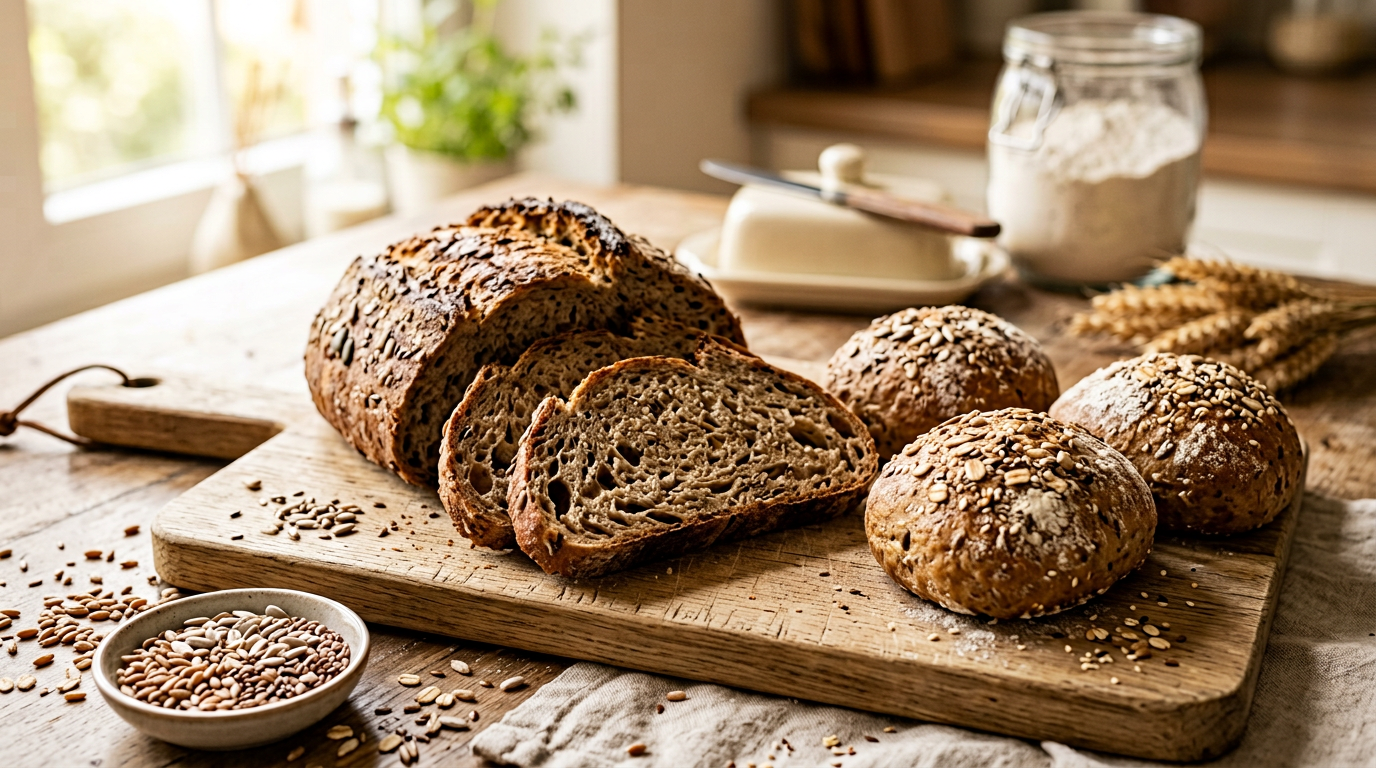
In contrast, for a genuine whole-grain bread, the entire grain is milled. The result is a flour full of character and density that preserves all essential micronutrients. Discover the selection of packaged whole-grain bread and toast on Sezamo to see how local producers keep the richness of wholesome grains intact.


 Granatur 2 soft pretzels with wholemeal flour and flax seeds

The glycemic index and energy curve: why hunger returns differently
The greatest metabolic difference between whole-grain bread and white bread is not the calorie count, but the speed at which sugars are absorbed into the bloodstream. The way the body processes carbohydrates dictates energy levels and mental clarity for hours.
White Bread (~70-75)
Starch is broken down into glucose at lightning speed. A rapid spike in blood sugar occurs, followed by a massive release of insulin and a steep energy crash, which triggers cravings for sweet snacks just 90 minutes after eating.
Whole-Grain Bread (~50-55)
The network of insoluble and soluble fiber acts as a natural barrier against digestive enzymes. Glucose absorption occurs gradually, keeping blood sugar stable and preventing post-lunch drowsiness.
Sourdough Fermentation (~48-52)
When whole-grain flour is leavened with wild sourdough, the organic acids resulting from fermentation further slow down gastric emptying. The result is the most stable glycemic profile possible for a bakery product.
The charm of artisanal white bread: when airy texture and golden crust are irreplaceable
In the world of modern nutrition, white bread has often been mislabeled as lacking any merit. However, the reality of artisanal bakeries demonstrates that white bread crafted with skill and patience holds a place of honor in the culinary arts.
There is a colossal difference between ultra-processed commercial sandwich bread, packed with added sugars and emulsifiers, and a baker's white loaf, such as the famous pavé loaf from Pain Plaisir sliced Pavé. Made from Label Rouge-certified French T65 flour, water, natural sourdough starter, and sea salt, such bread is a triumph of simplicity.
Thanks to its lower raw fiber content, quality white bread is much gentler on individuals with a sensitive digestive tract, bouts of gastritis, or irritable bowel syndrome. Moreover, from a gastronomic standpoint, the large air pockets and fluffy crumb seem tailor-made to soak up delicate sauces and showcase fine cheeses.
Where artisanal white bread excels:
- Bruschetta and gourmet tartines: It doesn't overshadow the subtle flavors of olive oil, truffles, or prosciutto.
- Festive meals and creamy soups: The crispy crust offers the perfect textural contrast without the bitterness typical of bran.
- Recovery nutrition: Ideal for light diets, following intense physical exertion when the body craves rapid glycogen replenishment.


The secret of natural sourdough: how slow fermentation neutralizes phytic acid
One of the least discussed aspects of whole-grain bread is the presence of phytic acid in the bran. Without proper fermentation, the precious minerals in grains remain locked away, and digestion can become difficult.
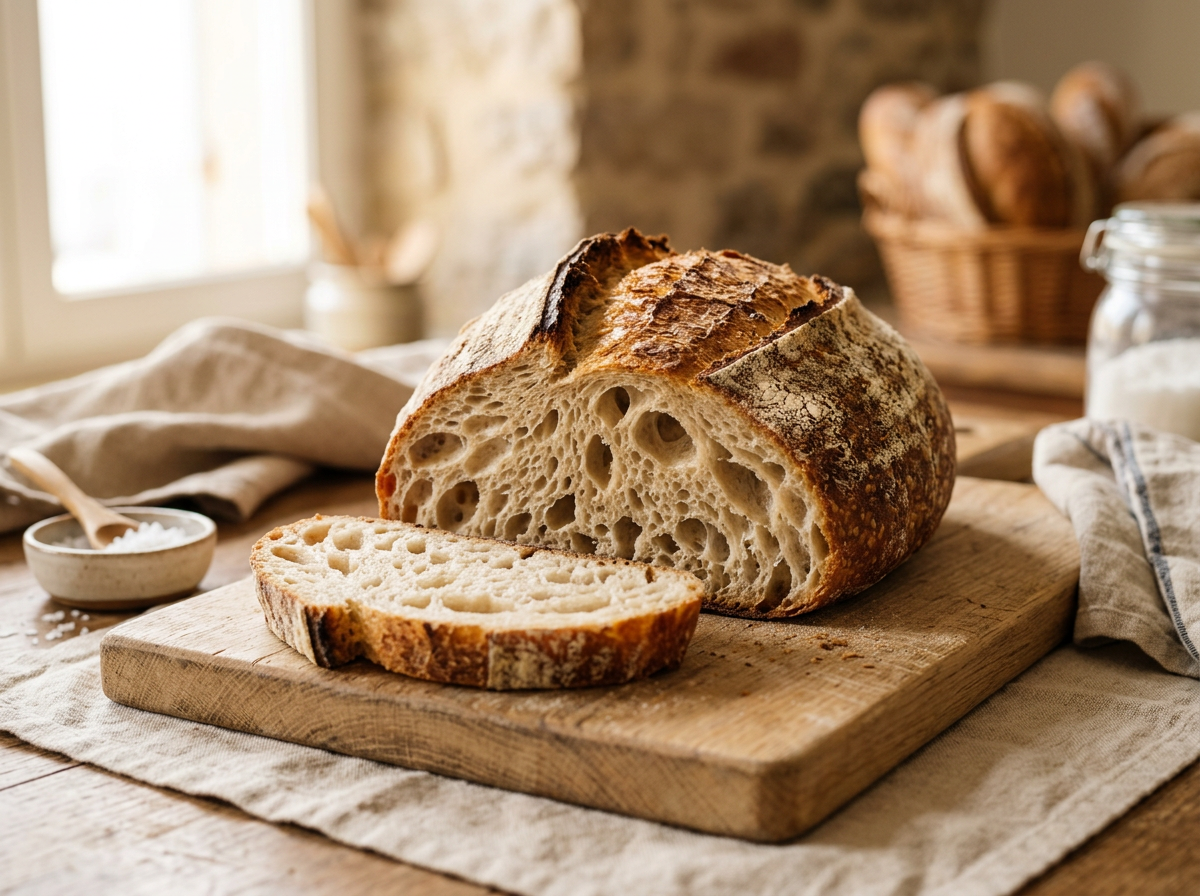
Phytic acid is the plant's natural defense mechanism, storing phosphorus in the bran. In the human digestive system, it acts as an antinutrient, binding to minerals such as magnesium, iron, calcium, and zinc, and preventing their absorption. If a whole-grain bread is leavened quickly in just two hours with industrial yeast, more than 80% of the phytic acid remains active.
This is where the magic of natural sourdough comes in. A slow fermentation of 24 to 48 hours creates an optimal acidic environment in which the phytase enzyme is activated at maximum capacity. This breaks down phytates by up to 90%, unlocking the minerals and making them fully bioavailable to the body. At the same time, beneficial colonies of lactobacilli pre-digest the gluten network, providing an airy texture and impeccable digestive tolerance.