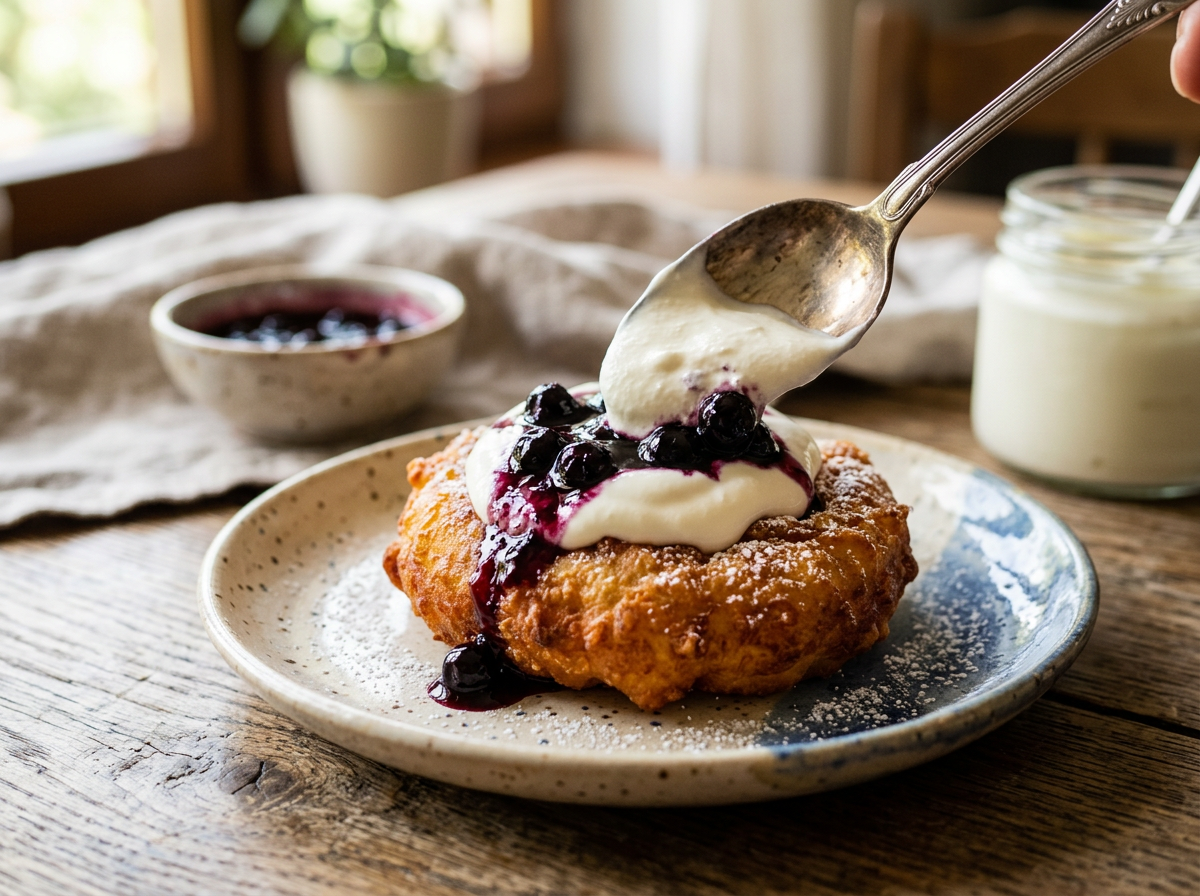
How to make fluffy fried papanași: the complete step-by-step recipe
Few people can resist the charm of a piping hot portion of fried papanași. With a crispy golden crust on the outside, an incredibly fluffy and aromatic center on the inside, generously smothered in cold sour cream and tart blueberry jam, these papanași are the absolute star of traditional Romanian desserts. Find out step by step how to make them at home just like in renowned restaurants.
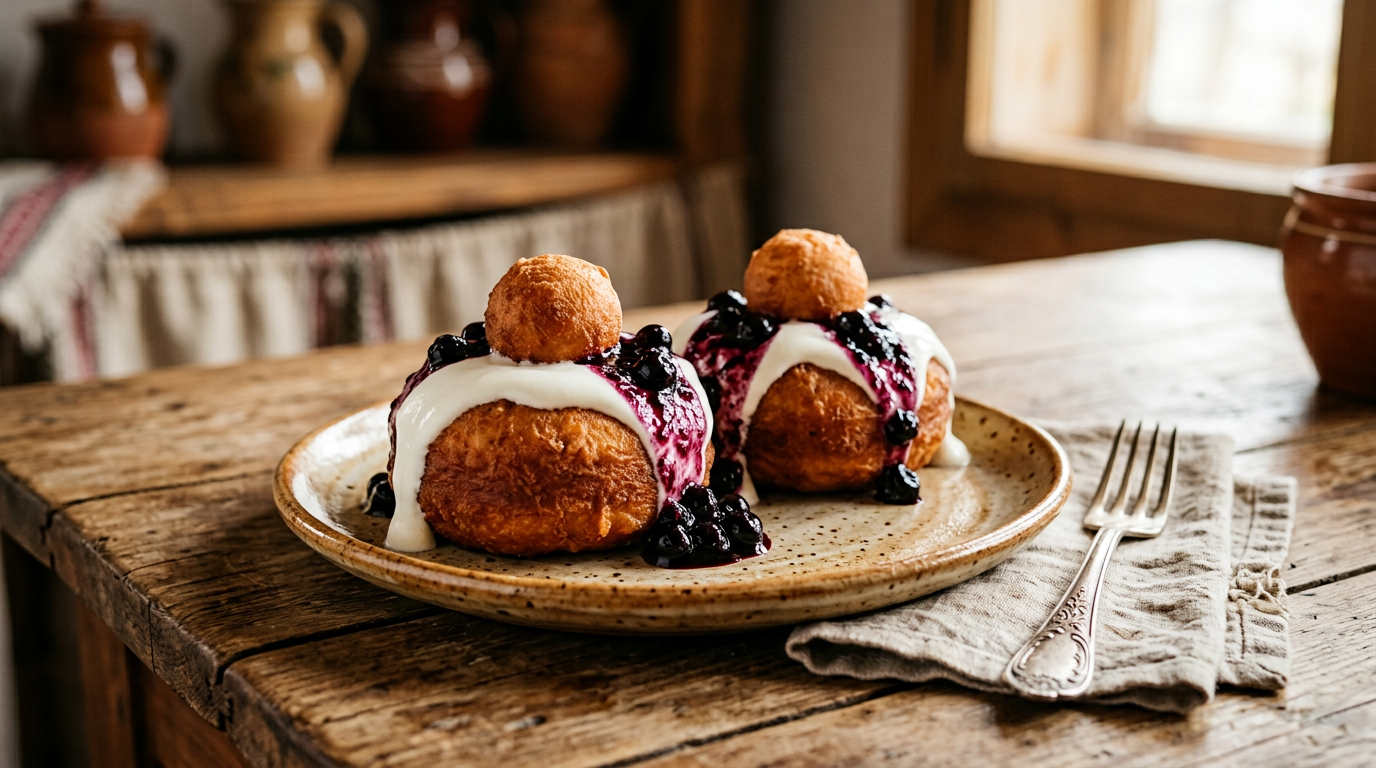
Fried papanași: the sublime balance between crispy and creamy
The origin of papanași traces its roots back to the rich Moldavian culinary tradition, where sweet cow's milk curd cheese was prized and highlighted in sumptuous desserts. Unlike classic yeast-based doughnuts, fried papanași have a remarkably airy structure thanks to fresh curd cheese and baking powder or baking soda. If you have ever tried making this dessert at home and ended up with heavy, dense balls or raw centers, do not worry. With our clear measurement and temperature control guidelines, every papanaș will be a masterpiece worthy of the finest traditional restaurants.
Sweet cottage cheese: the heart and consistency of the dough
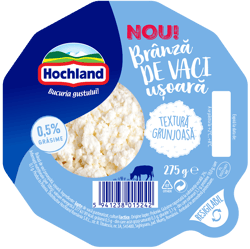
If you ask ten skilled chefs what the ultimate secret to fluffy fried papanași is, they will all give you the same categorical answer: the quality and moisture content of the cheese. Fresh cottage cheese is not just an aromatic component, but the very structural foundation of the dessert. Cheese that is too wet will require a huge amount of flour to bind, turning the papanași into dense and rubbery doughnuts.
For flawless results, choose a traditional sweet cottage cheese, full-fat or semi-skimmed, with a firm texture and defined curds. Before starting the mixture, place the cheese in a fine sieve lined with clean cheesecloth and let it drain in the refrigerator for at least 45 minutes, pressing gently with a spatula. You will be surprised at how much residual whey drains off.
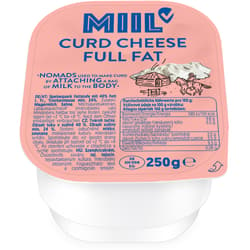
On Sezamo, you will always find our selection of fresh cheeses from local farmers and vetted producers. For example, Miil sweet cottage cheese offers remarkable creaminess and an ideal fat content to ensure the much-desired tenderness.
Pastry chef tip: Mash the drained cheese with a fork or pass it through a coarse sieve before adding the eggs. Avoid a high-speed blender, as a completely liquefied paste will lose its rustic texture and absorb extra flour.

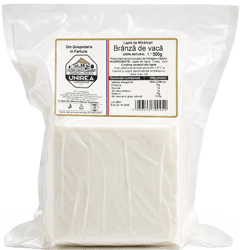
 Unirea Gospodarilor Cow's milk cheese from Mihailesti milk
The perfect dough: harmony between flour, eggs, and leavening agents
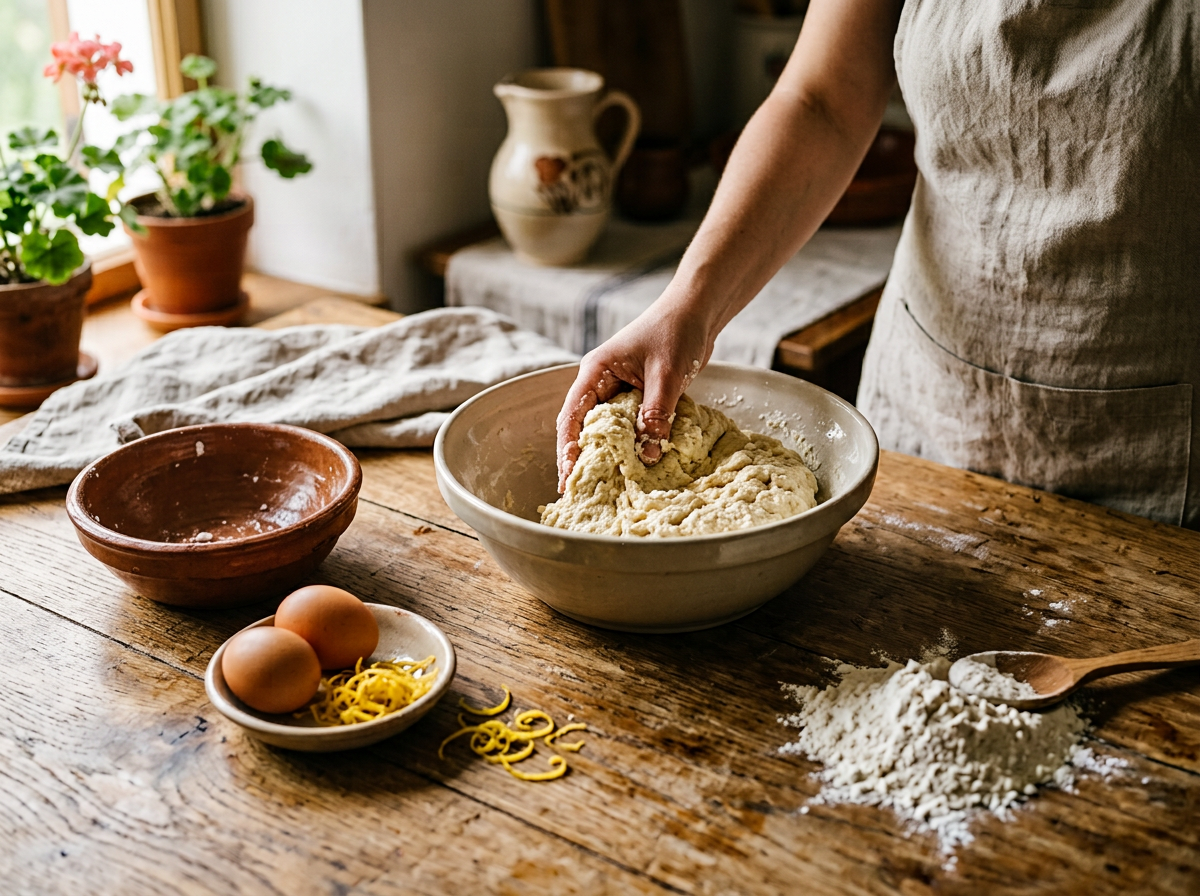
The most common mistake made in the kitchen is trying to achieve an elastic and firm dough by adding flour by the handful. Remember a golden rule: the dough for fried papanași must remain soft, sticky, and pliable. If it is as dense as bread dough, the resulting papanași will be hard as a rock.
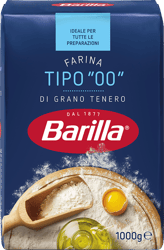
The restaurants' secret is the precise measurement of flour. For 500 grams of well-drained cottage cheese, use a maximum of 130 to 150 grams of high-grade white flour (type 000). Incorporate gently, using light movements, without prolonged kneading, to avoid developing the gluten network that makes the dessert tough.
Type 000 white flour
Use a quality high-grade flour, finely sifted together with the baking powder. It allows the dough to rise quickly and absorb internal steam.
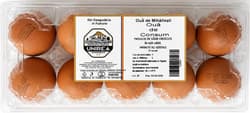
Large fresh eggs
The yolks add fat and an appetizing golden hue, while the whites bind the mixture without drying it out. Do not add more than two eggs.
Leavening agents & Vanilla
Half a teaspoon of baking soda quenched with a tablespoon of lemon juice plus the baking powder creates small air bubbles, delivering a spectacular rise in the oil.
Don't forget the aromatic notes that make the difference between an ordinary dessert and a memorable one. Add a generous pinch of salt to enhance the milky flavor, the grated zest of an untreated lemon, and the seeds of a real vanilla pod or a sachet of bourbon vanilla sugar. You will smell the intoxicating aroma right from the mixing stage.
After bringing the ingredients together in a large bowl, cover it with a clean towel and let the dough relax for 10 minutes at room temperature. During this time, the starch granules in the flour absorb the residual moisture from the cheese, and the leavening agents begin to react gently.

Shaping Technique: The Generous Ring and Golden Ball
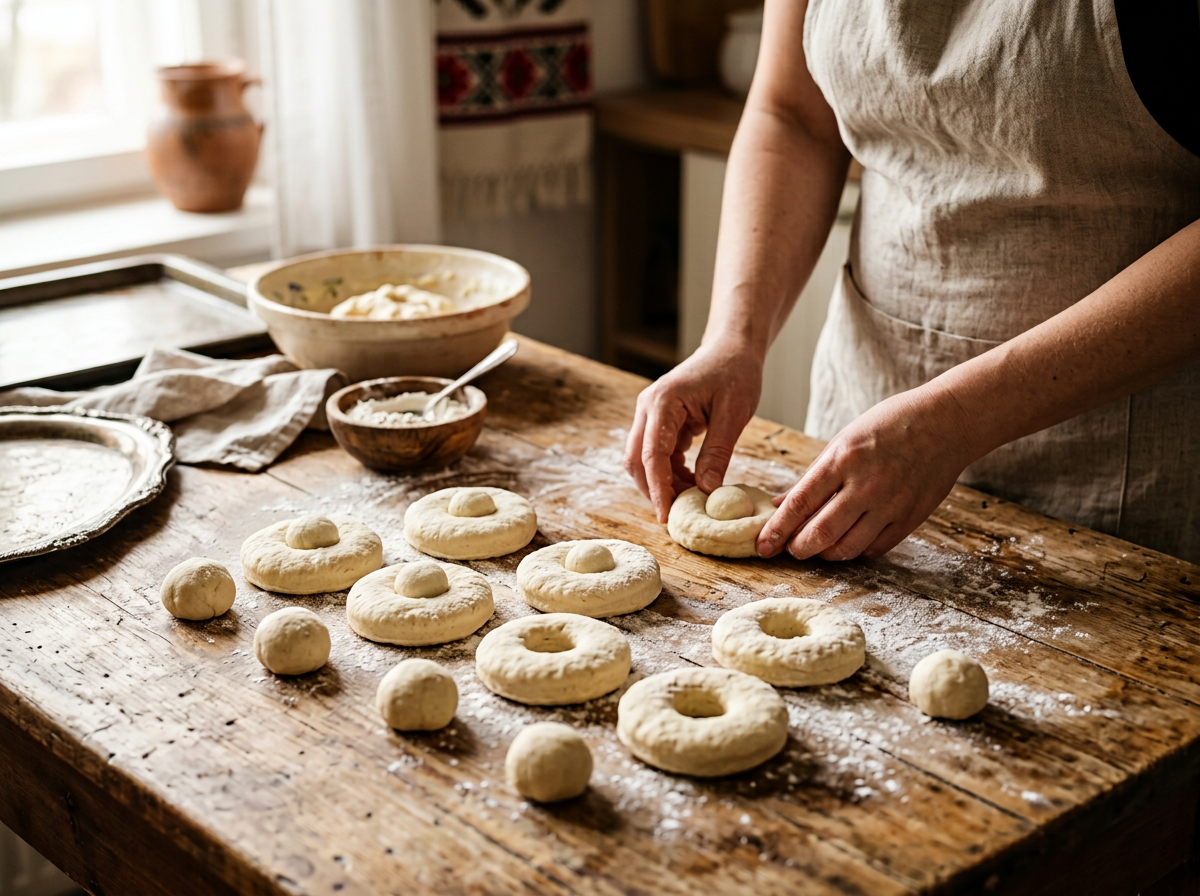
The iconic shape of Moldavian papanași is not merely an aesthetic choice, but an ingenious technical solution. The wide center hole allows hot oil to circulate evenly on both sides of the dough. Without this central hole, the middle would inevitably stay raw and soggy while the edges would burn.
To easily work with the soft dough, dust your work surface with a thin layer of flour and flour your palms. Divide the mixture into equal portions using a kitchen scale or a well-trained eye.
Portioning the dough
Divide the mixture into 8 large pieces for the rings (approximately 80g each) and 8 small pieces for the balls (approximately 25g each).
Opening the center hole
Shape a large ball, flatten it slightly to a thickness of 2 centimeters, and make a wide hole in the center with your index finger, rotating in a circular motion until you achieve a generous diameter.
Rolling the top cap
Roll the small pieces between your palms until you get smooth spheres. This small ball will sit proudly atop the papanaș crowned with sour cream.
The Art of Deep-Frying: Crispy on the Outside, Cooked on the Inside
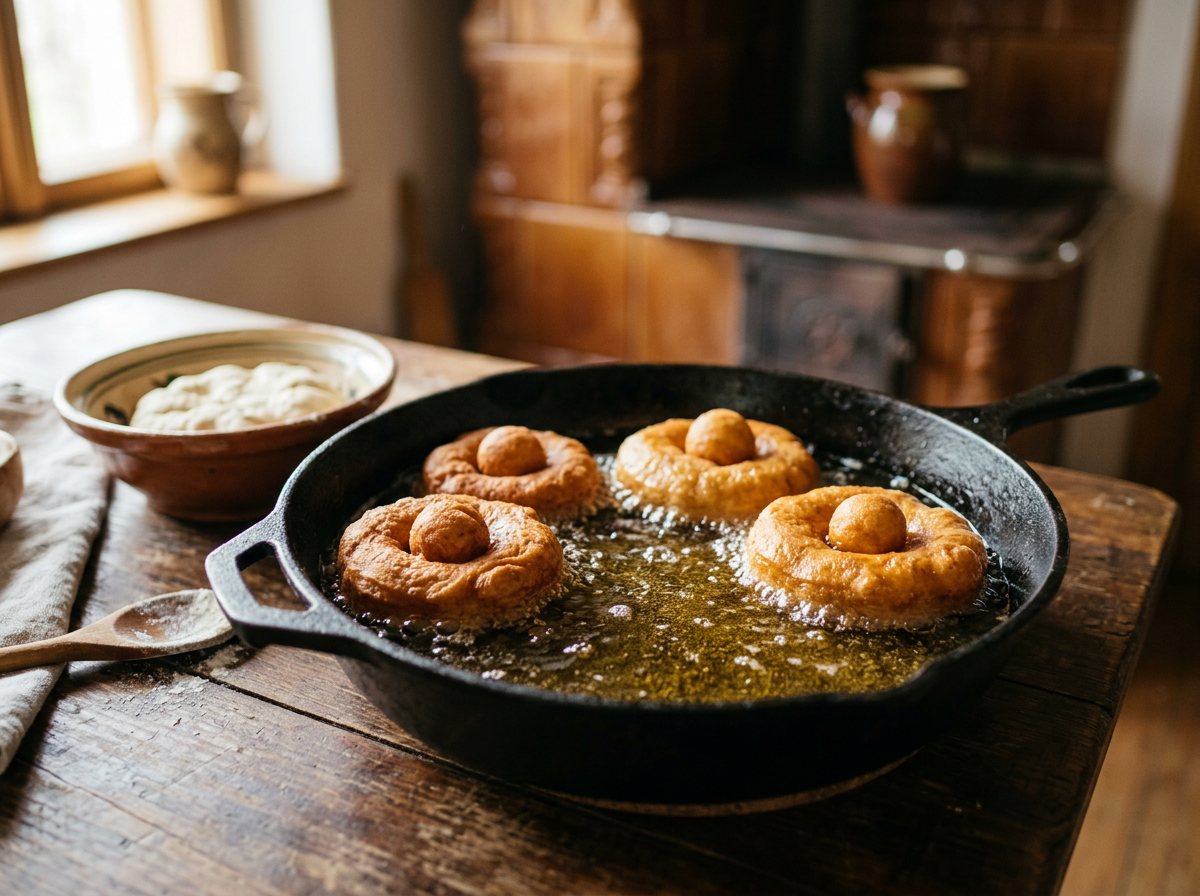
This is where the final battle for the glory of papanași is fought. If the oil is too cold, the dough will absorb grease and become heavy. If the oil is piping hot, the crust will char in 60 seconds, and the inside will remain a raw cheese paste. The secret is deep-frying and maintaining a constant temperature of 160 to 170 degrees Celsius.
Use a deep saucepan or a cast-iron skillet and pour in a generous amount of Kitchin sunflower oil, so that the papanași float without touching the bottom of the pan. The oil level should be at least 4-5 centimeters.


The Festive Crowning: Cold Rich Sour Cream and Tart Jam
The papanaș is not complete without its legendary pairing: the cold blanket of sour cream and the cascade of dark jam. The temperature contrast between the hot dough, fresh from the pan, and the thick, cold sour cream is the secret that makes this dessert absolutely irresistible.
Always choose a rich sour cream with at least 30% fat content, such as Lăptăria cu Caimac fresh sour cream. Its silky, slightly tangy texture perfectly balances the sweetness of the golden-brown dough.
As for the jam, tradition unhesitatingly recommends berries with a pronounced tart flavour. A Nasul Roșu blueberry jam or a selection from the range of artisan fruit jams offers that vibrant contrast between caramelised sugar and the noble acidity of wild blueberries.
How to plate the dish like at a restaurant
Plating is done immediately after the excess oil has been dabbed off the papanași:
- Place the warm ring in the centre of a deep or flat ceramic plate.
- Pour two generous tablespoons of cold sour cream directly over the ring, letting it slide down the sides and into the central hole.
- Place the fried dough ball on top of the hole, like an imperial cap.
- Add another teaspoon of sour cream over the ball and generously pour the blueberry jam, letting the whole berries flow spectacularly towards the base.