
Mutton and Ram Pastrami: Preparation Secrets
Tender Mutton Pastrami: Traditional Skillet or Grill Recipe
Crisp October days bring into our homes the most beloved Romanian culinary ritual: the unmistakable aroma of browned meat, the steam rising from golden polenta, and the sweetness of the first glasses of grape must or red wine.
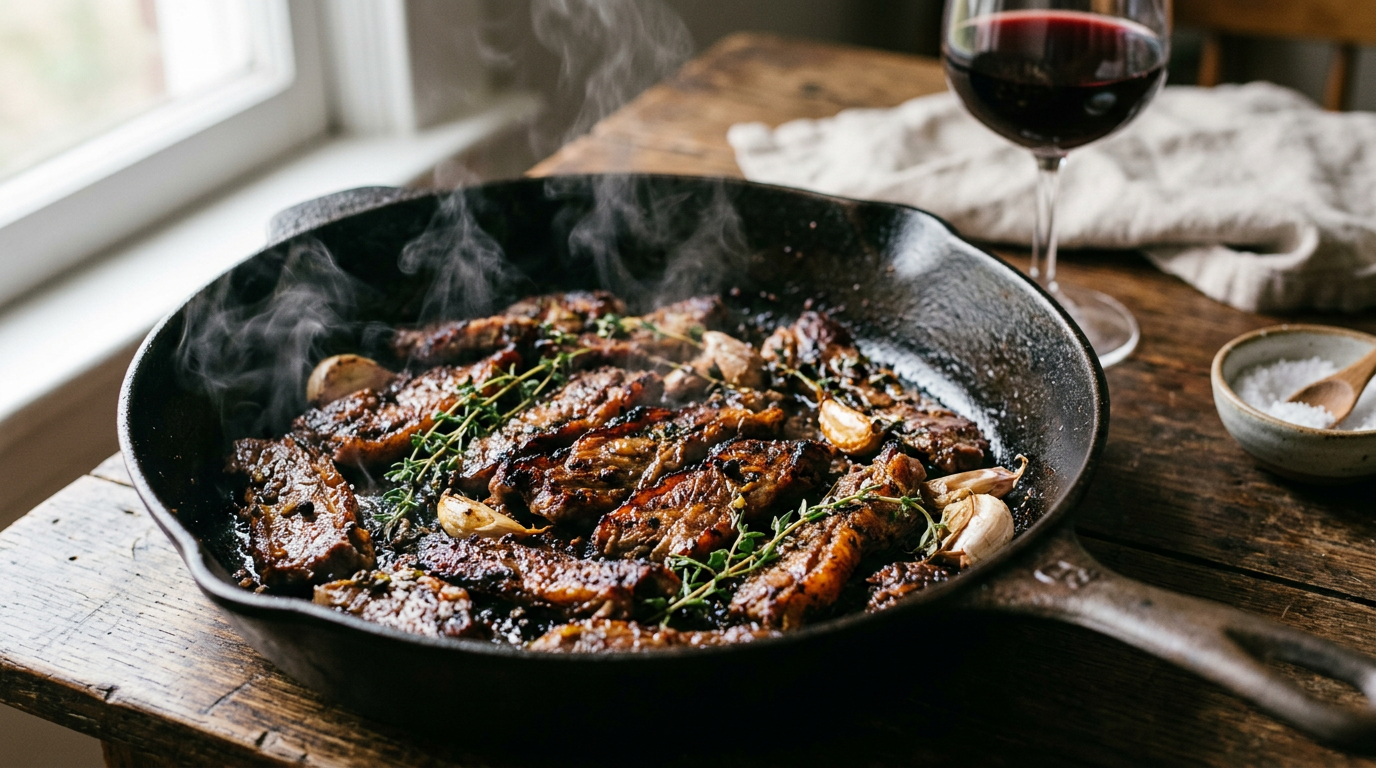
Nothing captures the spirit of authentic autumn better than a generous plate sizzling with a tender piece of slow-marinated meat, infused with the aromas of garden savory and fresh garlic. When searching for an authentic mutton pastrami recipe, our wish is not just to put a roast on the table, but to recreate that atmosphere of a traditional boyar inn or a wine cellar bathed in the gentle autumn sunshine. The secret to a memorable dish lies in following a few simple yet essential rules: choosing the right cut of meat, letting it rest in a well-balanced marinade, and mastering the cooking temperature, whether using a heavy cast-iron skillet on the stove or the backyard grill.
In this complete guide, we explore step by step every detail needed to achieve a juicy roast, bursting with flavor and tender to the bite, without tough fibers or gamey smells. You will discover the secrets of our partner butchers, the perfect ratios for a balanced marinade, and classic side dishes that transform a simple dinner into an unforgettable feast. All the fresh ingredients, from choice cuts of mutton leg pastrami to organic cornmeal and artisanal pickles, are delivered straight to your door by Sezamo, ready to be turned into pure delight.
Origin and Tradition: From the Sheepfold to Bountiful Autumn Tables
Before becoming a restaurant delicacy or an attraction at autumn festivals, pastrami was an ingenious preservation method invented by Carpathian shepherds to make the most of the meat after transhumance.
The roots of this dish run deep into the pastoral history of the Romanian lands. In late summer and early autumn, after bringing the herds down from the mountains, shepherds would slaughter mature animals and prepare provisions for the harsh winter months. The name itself originates from the verb 'a păstra' (to keep or preserve), indicating the primary purpose of the technique: curing the meat with salt, garlic, and dried spices, sometimes followed by light smoking with cold beechwood smoke or drying in the clean mountain wind.
To successfully cook a classic mutton pastrami recipe at home, it is essential to understand the raw ingredient. There are important nuances between different types of meat, and each cut reacts differently to heat:
Young Ram
The meat comes from young males (under 1-2 years). It has a fine texture, subtle white fat marbling, and a clean aroma without a pungent smell. It is the ideal choice for a quick pan-sear or a quick grill.
Mature Mutton
Adult sheep has denser muscle fiber and a rich, unmistakable flavor. It requires a longer marinade with crisp white wine or slow cooking in the oven and cast-iron pot to reveal all its juiciness.
Marinated Lamb
Cuts of shoulder or leg of young lamb have very tender fibers and cook through extremely quickly. They are perfect for those who prefer a delicate flavor and cooking that takes just a few minutes.
At Sezamo you can find carefully selected meat from the dedicated game, lamb, mutton, and young ram category, sourced from local producers such as CARNE SI SARE or Bucuria Mesenilor. Whether you prefer expertly cured cuts or want to create your own marinade from scratch, the foundation of success remains freshness and the quality of butchering.
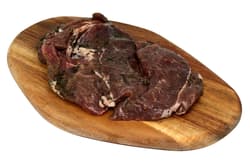
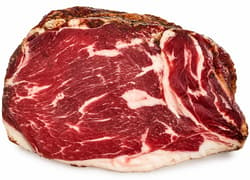
 MEAT AND SALT Lamb Leg Pastrami
The Traditional Marinade: Marinating Secrets for a Tender Texture
The difference between bland or rubbery pastrami and one that simply melts in your mouth lies in the simple chemistry of the marinade: salt, acid, fat, and spices.
Marinating does not merely flavor the meat; it acts at a molecular level on collagen fibers and muscle proteins. The natural acid in dry white wine weakens fibrous bonds, while salt penetrates deeply, helping muscle cells retain natural juices during cooking. That is why properly marinated meat will not release water into the pan and will not dry out on the grill.
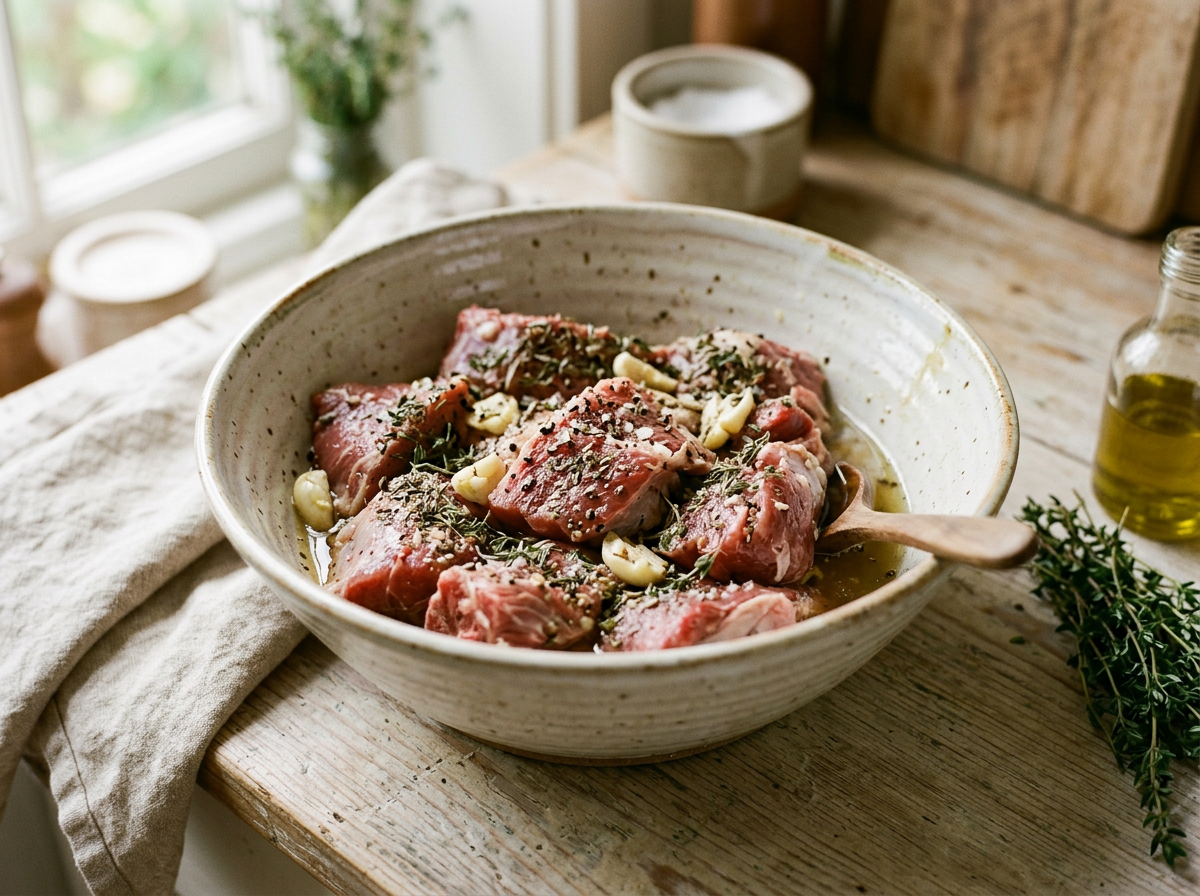
If you have purchased fresh, untreated mutton or ram meat and want to make the marinade from scratch at home, here is the classic formula tested by generations of cooks:
Classic marinade recipe for 1 kg of meat:
- Preparing the meat: Trim the leg or shoulder of thick outer membranes and tendons, but leave the thin layers of white fat (they will ensure juiciness). Portion the meat into uniform slices about 1.5 - 2 cm thick.
- Rubbing with garlic and salt: Crush 6-8 fresh garlic cloves with a teaspoon of coarse salt until you get a fine paste. Vigorously massage each piece of meat with this mixture.
- Dry spices: Generously add dried garden thyme (the heart of Romanian flavor), good quality sweet paprika for a coppery hue, freshly ground black pepper, and a few lightly crushed allspice berries.
- The emulsion and wine: Pour in 2 tablespoons of sunflower oil (which traps the fat-soluble aromas of the spices) and 150 ml of good quality dry white wine. White wine is preferable to red wine in a marinade because its clean acidity does not oxidize the meat or give it an unsightly dark hue.
- Resting time: Place the pieces in a glass or ceramic dish, cover tightly, and refrigerate for at least 24 hours (ideally 48 hours). Turn the pieces once a day for even marinating.
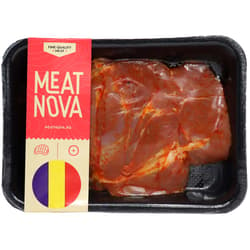
If time does not allow you to wait two days, you can choose ready-marinated packs directly from the Sezamo catalog, such as the famous marinated lamb pastrami from Meat Nova, aged with oil, sea salt, and a select blend of multicolored peppercorns.
Pan and grill technique: How to get a browned crust and a juicy interior
The biggest pitfall when cooking pastrami is overcooking over low heat, which turns the meat into a dry and flavorless mass. The secret lies in intense heat and short cooking time.
Whether you cook on the stove or over hot coals, the first golden rule is bringing the meat to room temperature. Take the pieces of pastrami out of the fridge at least 30-40 minutes before cooking. Cold meat thrown into a hot pan will instantly lower the pan's temperature, releasing water and boiling the meat in its own juices instead of browning it.
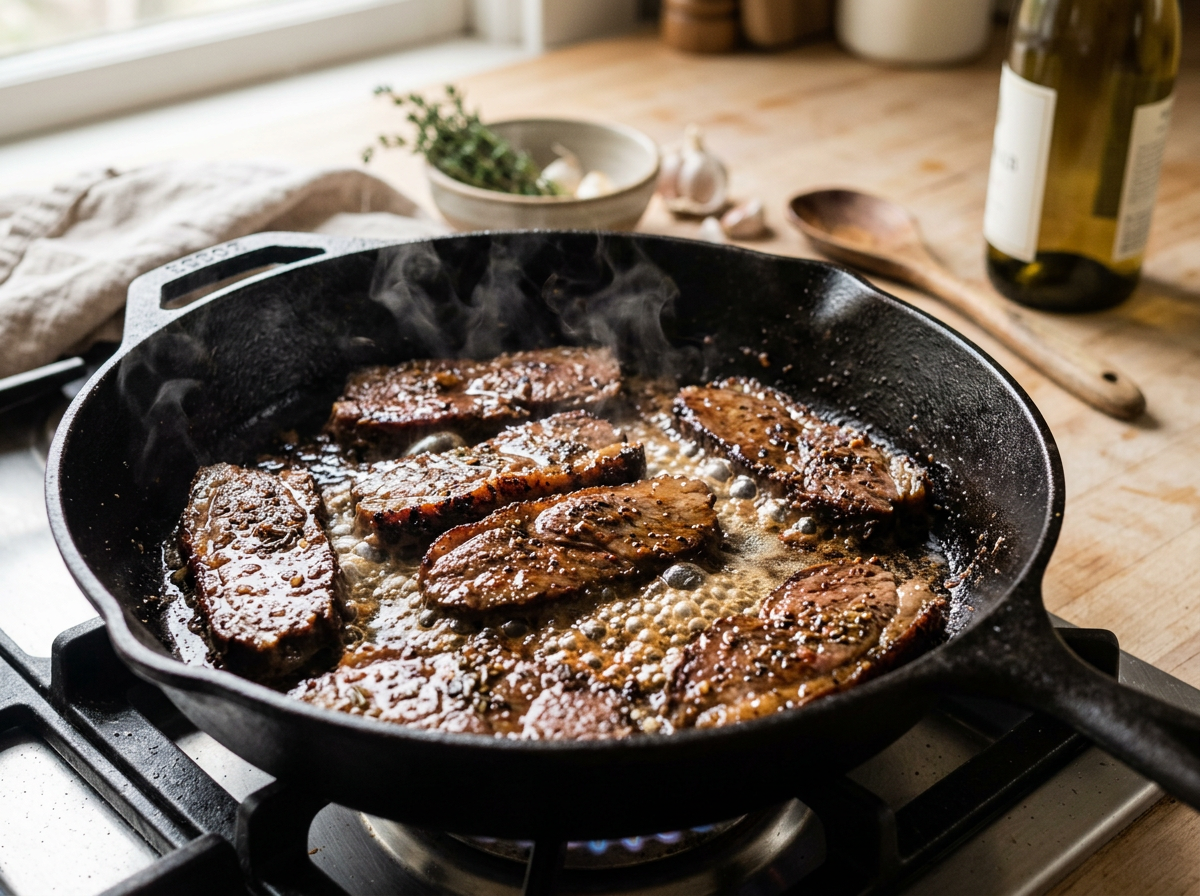
Cast-iron pan method
- The right cookware: Use a heavy cast-iron skillet or a ridged cast-iron grill pan, preheated over medium-high heat for 4-5 minutes.
- Minimal fat: Brush the pan with a very thin film of oil or a little clean lard. The meat already contains its own fat.
- Quick browning: Place the pieces in the pan without overcrowding it. Leave them undisturbed for 3-4 minutes on the first side, until a browned, caramelized crust forms, then flip them for another 2-3 minutes on the other side.
- Deglazing with wine: At the end, while the heat is still high, pour 50 ml of dry white wine over the meat. The alcohol will evaporate in a burst of steam, dissolving the caramelized bits from the bottom of the pan and creating a glossy, flavorful sauce. Cover with a lid for 1 minute, then turn off the heat.
Charcoal grill method
- Embers heat: Prepare gentle embers covered with a fine layer of gray ash. Avoid open flames, as dripping mutton fat can flare up quickly.
- Dual-zone cooking: Create a hot zone for searing and a cooler zone on the grill where the meat can cook through without burning on the outside.
- Grilling time: Grill the slices for 3 minutes on one side and 2-3 minutes on the other side. Brush them during grilling with a thyme sprig dipped in a mixture of white wine and garlic oil.
- Mandatory resting: Transfer the cooked meat to a warm ceramic bowl, cover with a lid or foil, and let it rest for 5 minutes. During this time, the internal juices redistribute evenly throughout the fibers.
If you want to explore other traditional grilled delights with similar flavors, you can try our recipe for browned and juicy grilled pork pastrami or the classic Moldavian tochitură with polenta from the Sezamo Chef collection.

 45 min
 Quick



The ultimate side dish: Creamy polenta and tips for the perfect cornmeal
No pastrami plate is complete without steaming polenta, traditionally sliced with a thread or served soft and silky, with plenty of farm butter and mountain cheese.
Although it seems like the simplest dish in our cuisine, a flawless polenta requires attention to detail. Organic cornmeal, stone-ground or medium-milled, needs time to fully hydrate and develop its natural sweetness. In contrast to the dense, seasoned roast, polenta provides a warm, comforting base that absorbs the meat juices.
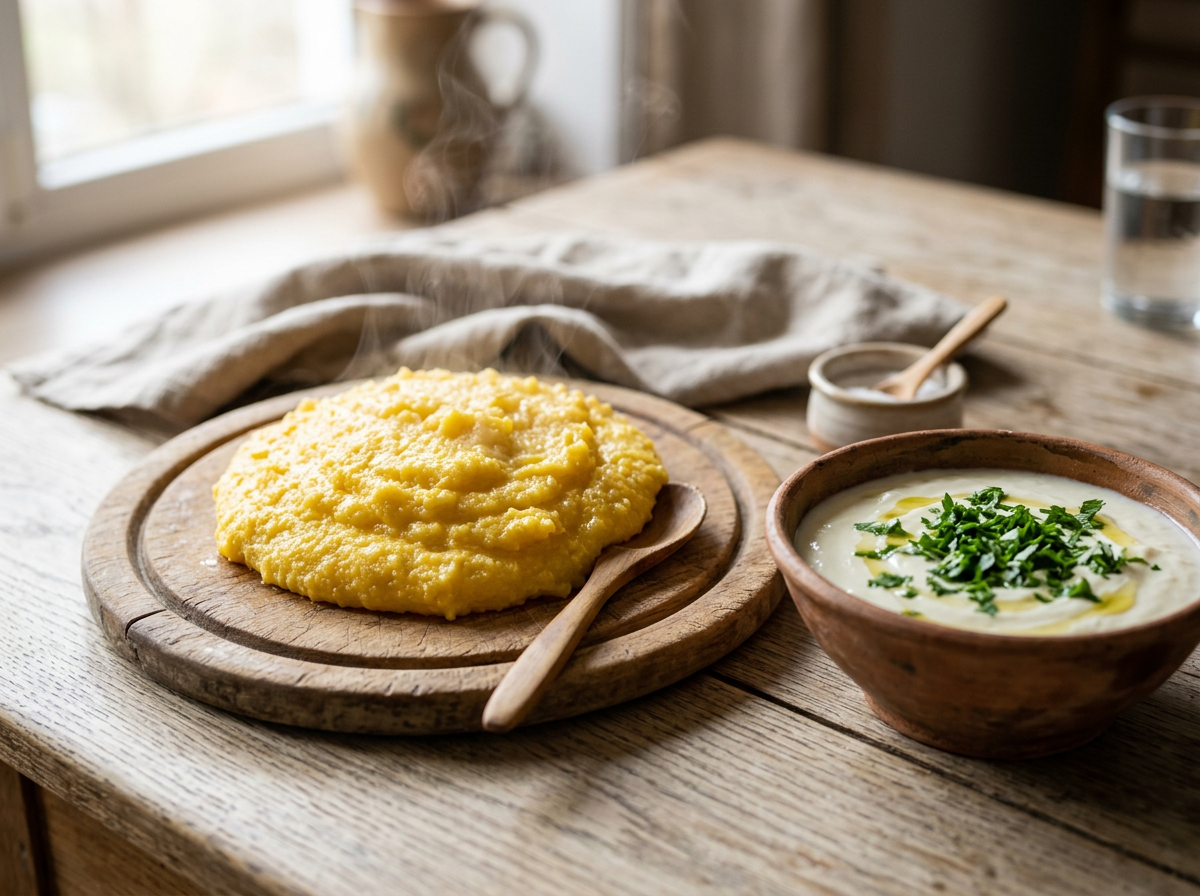
To achieve a velvety, lump-free consistency, follow the three golden rules of cornmeal:
The golden ratio
For a creamy polenta, use 1 part cornmeal to 4 parts water (or 3.5 parts water and 0.5 parts whole milk). For a firm polenta to slice with a thread, use a 1 to 3 ratio.
Adding in a steady stream
Add the salt to the water right from the start. When the water gently boils, pour in the cornmeal gradually in a fine stream, whisking vigorously with a balloon whisk. This continuous motion prevents clumping.
Butter and cheese
After simmering for 15-20 minutes over very low heat, add a generous knob of 82% fat butter. The butter rounds out the texture and gives it a gorgeous sheen. When serving, sprinkle with aged burduf cheese.
You can find all the staple ingredients in the cornmeal, semolina, and breadcrumbs section, including Alnatura organic cornmeal, alongside authentic Nucet burduf cheese, artisanally packaged, and organic Romanian butter from the fresh cheeses category.