
All about quinoa: nutritional benefits and quick recipes
Considered for millennia the golden food of the Inca civilization, quinoa has conquered contemporary kitchens thanks to its unparalleled nutritional profile. From its delicate texture and pleasant nutty notes to the rare quality of providing all essential amino acids, this simple food transforms every meal into a clean source of energy. Whether you are looking for a quick office lunch, a comforting post-workout dinner, or a flavorful breakfast, quinoa gracefully adapts to any craving.
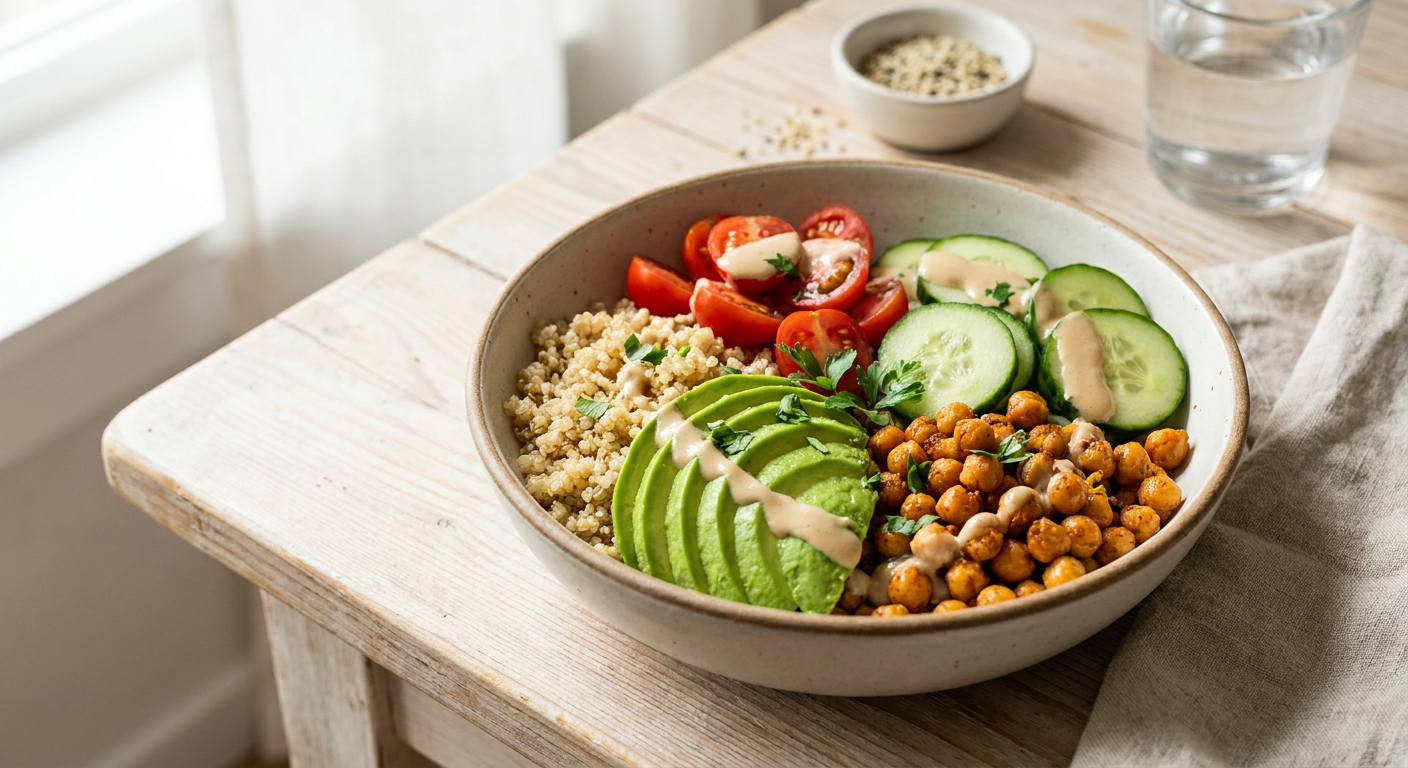
The golden grain of the Andes: from sacred Inca food to the star of modern plates
To understand why quinoa enjoys such deep respect in the world of conscious gastronomy, it is worth looking beyond nutritional labels. Its journey begins on the high plateaus of the Andes, where harsh soils and cutting winds sculpted a plant of astonishing resilience.
Although we cook it and serve it on our plates just like rice, buckwheat, or millet, quinoa is not a true grain. Botanically, the plant known scientifically as Chenopodium quinoa is a pseudocereal from the same botanical family as spinach, beetroot, and Swiss chard. What we harvest and consume are actually the precious seeds of this spectacular plant.
In the Quechua language, Inca warriors and farmers revered it under the name of chisaya mama, meaning the mother of all grains. Legend has it that the Inca emperor himself ritually opened the planting season using a tool forged from pure gold. During expeditions covering thousands of kilometers through the mountains, the soldiers consumed small energy balls made of quinoa flour and fat, which provided them with strength, endurance, and mental clarity.
Today, the interest in clean eating and unprocessed ingredients has brought this ancient grain back to the forefront of the organic superfoods shelves. Unlike grains that have been heavily hybridized over the last century, quinoa has remained pure, authentic, and rich in biologically active compounds that support the health of the entire body.
The protein miracle: all nine essential amino acids in a single grain
If you ask a nutritionist what the most impressive asset of quinoa grains is, the answer will almost always point to its amino acid profile. In the plant kingdom, proteins are frequently incomplete, lacking methionine or lysine, but quinoa breaks this rule with rare generosity.
Quinoa contains all nine essential amino acids that the human body cannot synthesize on its own (including leucine, isoleucine, lysine, and tryptophan). With approximately 14 grams of protein per 100 grams of dry product, it is a trusted ally for vegetarians, vegans, and anyone looking to reduce meat consumption without compromising muscle mass.
A cooked serving provides over 5 grams of dietary fiber, supporting gut motility and maintaining a healthy microbiome. Soluble fiber forms a protective matrix in the digestive tract, slowing the absorption of sugars and helping naturally regulate blood cholesterol levels.
A bowl of quinoa provides nearly a third of the daily requirement for magnesium, an essential mineral for muscle relaxation, nervous system function, and combating chronic fatigue. Non-heme iron supports cellular oxygenation, while zinc strengthens the immune barrier.
Quinoa contains impressive concentrations of flavonoids, especially quercetin and kaempferol. These potent plant antioxidants fight oxidative stress caused by free radicals, reduce systemic inflammation, and support long-term blood vessel health.
Unlike polished white rice or refined pasta, quinoa boasts a low glycemic index of around 53. This means it releases carbohydrates slowly into the bloodstream, preventing sudden insulin spikes followed by that sluggish midday slump. If you want to build balanced meals with clean ingredients, explore the full selection in our pantry of rice, pasta, and pulses.
Additionally, the presence of vitamin E (alpha-tocopherol) and B-complex vitamins (B1, B2, B6, and folic acid) helps support energy metabolism. The liver and brain function optimally when their daily fuel comes from complex carbohydrates accompanied by protective micronutrients.


White, red, or black: the harmony of textures and flavors on your plate
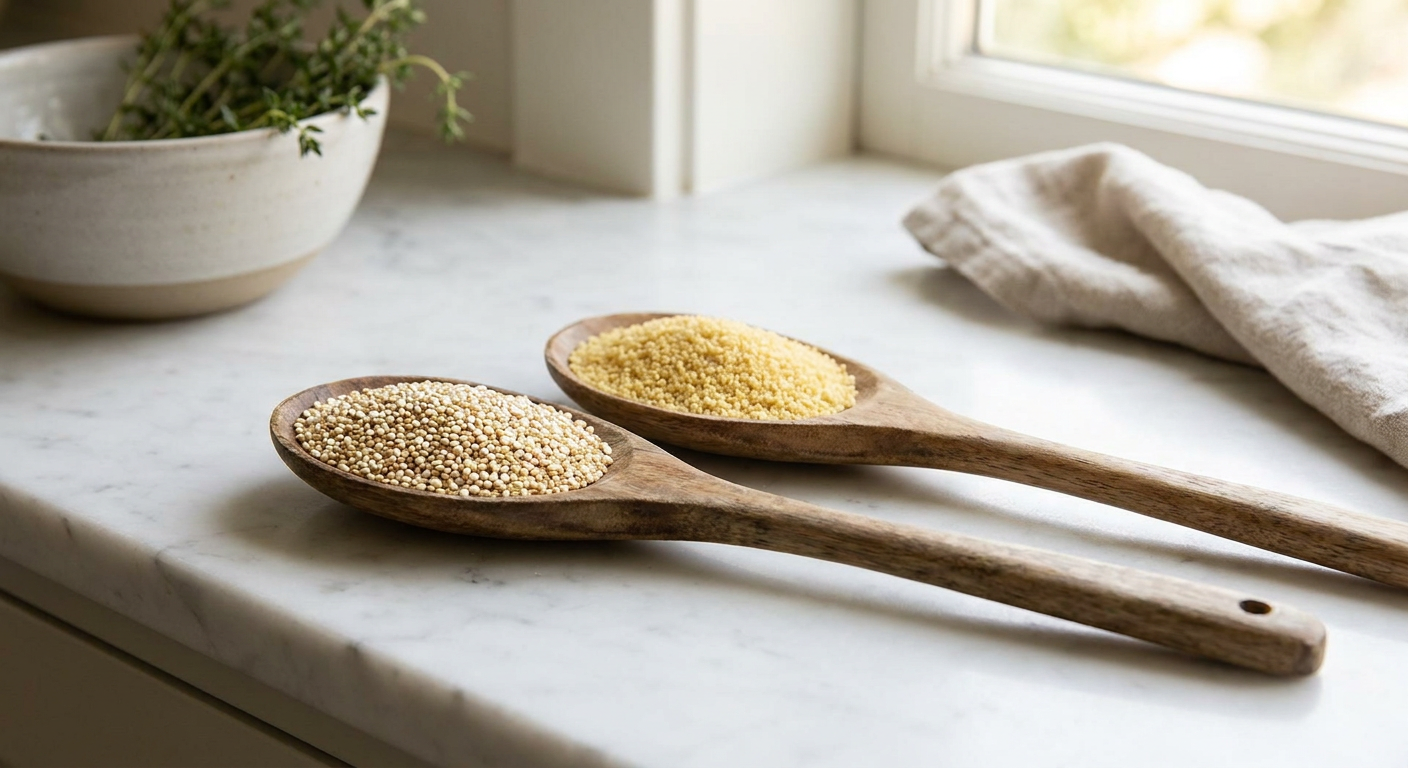
When you open a bag of quinoa, you might notice different shades ranging from light gold to deep ruby or glossy black. Each variety brings its own personality to the plate, behaving differently when cooked and opening up spectacular culinary opportunities.
It is the most widespread and popular variety in the world. It has an exceptionally fluffy texture, cooks quickly, and offers a neutral, mild flavor with subtle nutty hints. Thanks to its ability to absorb sauces and spices, it is the perfect choice to replace rice in pilafs, plant-based risottos, or warm morning porridges.
It holds its grain shape even after extended cooking, providing a pleasant, crunchy bite. The flavor is more pronounced and earthy than that of the white variety, and its warm hue is due to a high content of betalain, a potent antioxidant pigment. It is the undisputed champion of cold salads and nourishing bowls.
The rarest of the three, black quinoa retains the most intense aromatic character, with subtle notes of raw cocoa and roasted kernels. Its dark outer hull is rich in anthocyanins, the same valuable antioxidants found in blueberries and blackberries. Even after cooking, it maintains its distinctive firmness and delivers a stunning color contrast on the plate.


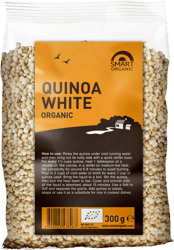

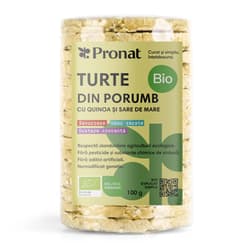
The art of flawless cooking: the golden ratio and the secret to fluffy grains
Have you ever tried quinoa and been disappointed by a sticky texture or a slightly bitter taste? The secret to a gourmet restaurant-worthy result does not lie in sophisticated ingredients, but in following a few simple rules of culinary chemistry.
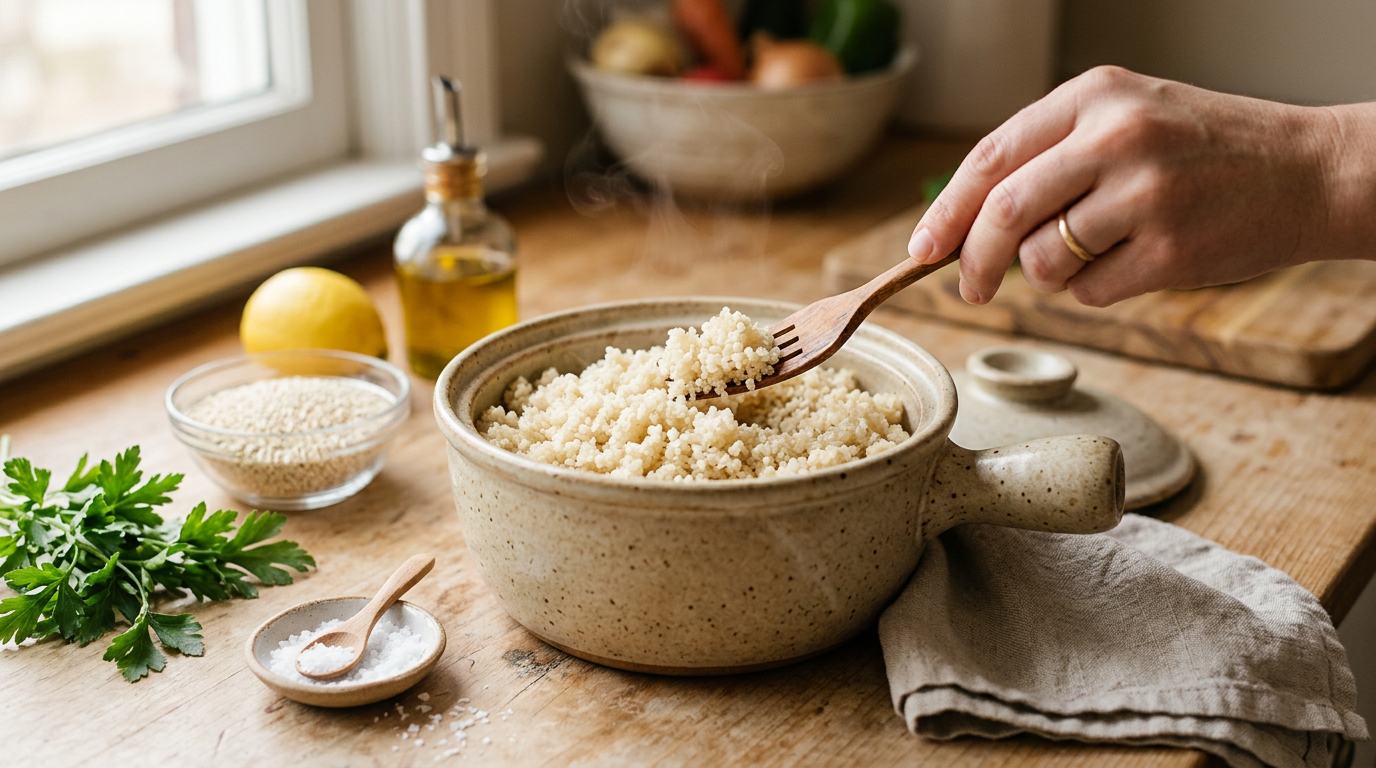
The natural coating of the grains contains saponin, a plant compound with foaming properties that protects the plant from insects and birds in the wild. If not removed, saponin leaves a bitter, soapy taste. Place the quinoa in a fine-mesh sieve and rinse vigorously under cold running water for 30-40 seconds, gently rubbing the grains between your fingers.
Before adding water, place the well-drained grains in a dry saucepan over medium heat for 1-2 minutes. Stir continuously until the remaining water evaporates and you notice a pleasant aroma of toasted nuts and sesame. This brief toasting caramelises the surface sugars and enriches the final taste.
The perfect equation is always the same: one part quinoa to two parts liquid. For one cup of dry seeds (about 180g), use two cups of still water or clear vegetable stock for added depth. Add half a teaspoon of sea salt right from the start.
Bring the liquid to a boil, then reduce the heat to the absolute minimum and cover the pot with a tight-fitting lid. Let the grains simmer gently for exactly 15 minutes. Resist the temptation to lift the lid or stir; the trapped steam is what cooks the grains evenly from the inside out.
Turn off the heat, but leave the lid on for another 5 minutes so the grains absorb the final drops of residual moisture. Finally, remove the lid and gently fluff from bottom to top using a fork. You will see how the tiny white spiral rings (the germ) delicately detach, creating an impeccably airy texture.
Quinoa from morning to night: sweet and savory culinary inspiration
The great beauty of quinoa grains lies in their culinary adaptability. Don't limit yourself to using them merely as a simple side dish for a roast, but let yourself be inspired by their versatility from early morning to light dinners enjoyed in peace.
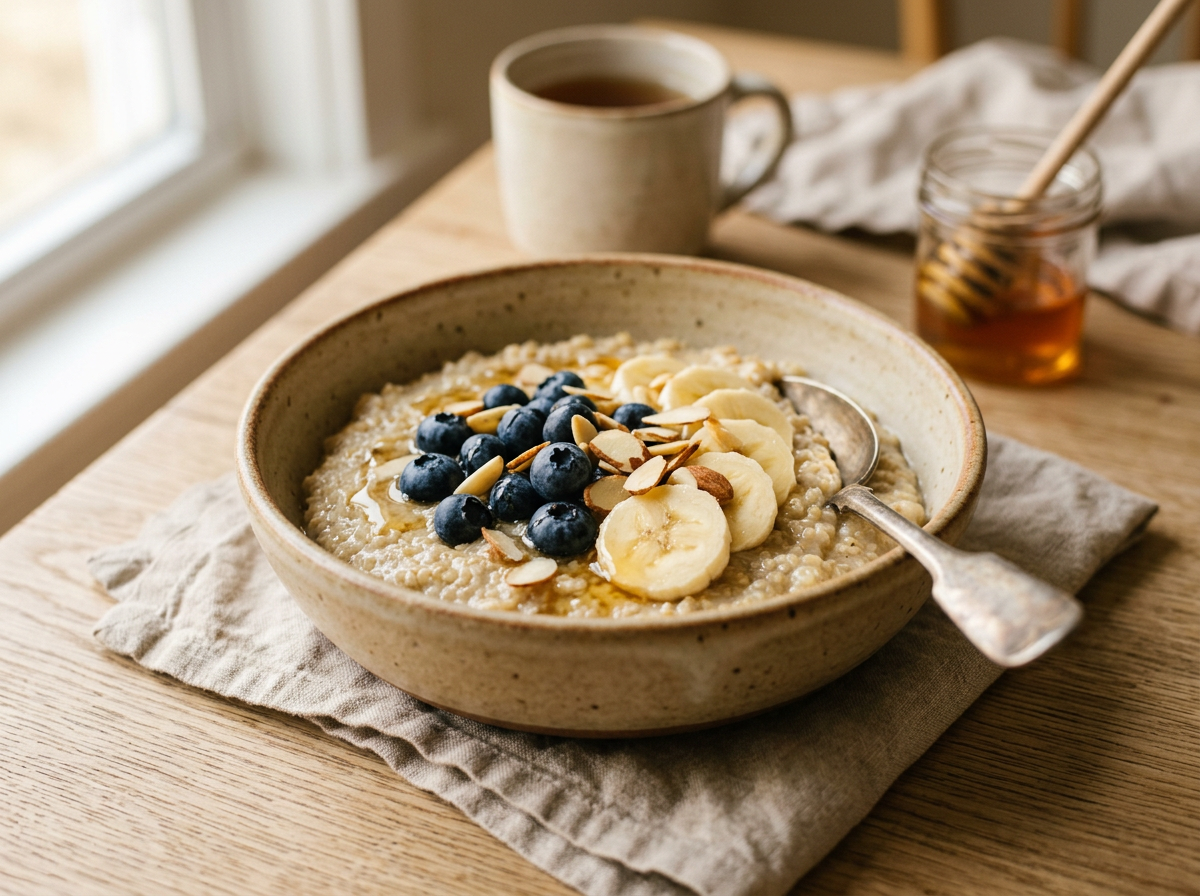
Cook white quinoa directly in almond or coconut milk with a cinnamon stick and a teaspoon of vanilla extract. The result is a comforting breakfast, more filling and much richer in protein than regular oatmeal. Enrich the bowl with fresh blueberries, banana slices, and chia seeds for extra fiber. If you love sophisticated desserts, try our delicious recipe for Bolivian quinoa pudding with cocoa and dark chocolate.
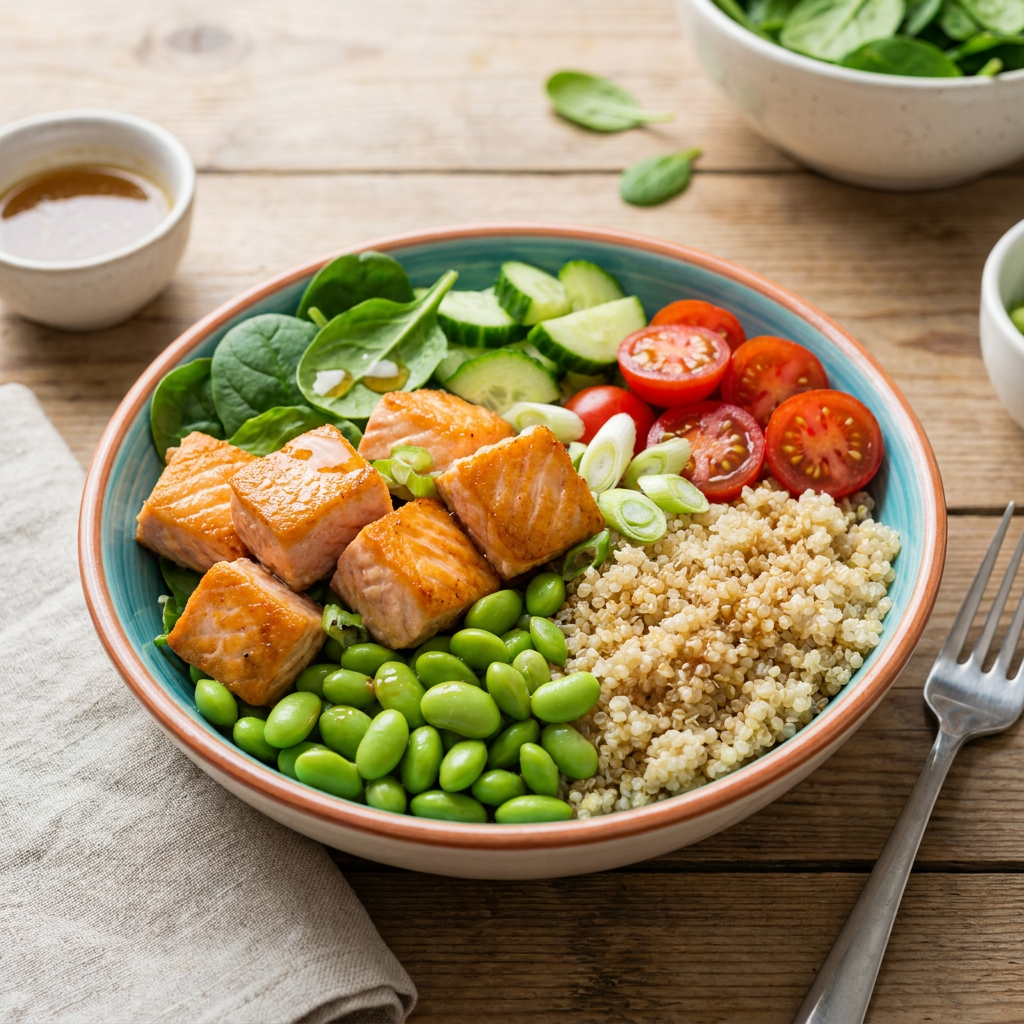
For a quick summer or autumn lunch, combine chilled tricolor quinoa with fresh avocado, sweet cherry tomatoes, crunchy cucumbers, and crumbled feta cheese, drizzled with cold-pressed extra virgin olive oil and fresh lemon juice. Discover our recipe for Quinoa salad with vegetables and avocado in detail, or the flavorful variations of Quinoa salad with beetroot and feta cheese and Beef steak with quinoa and spinach.