Great St. Mary's Day: Summer Easter
Every year on 15 August, our summers take a breath. It is the day when fruits are blessed, homes fill with guests, and the whole country cheerfully celebrates the transition to autumn.
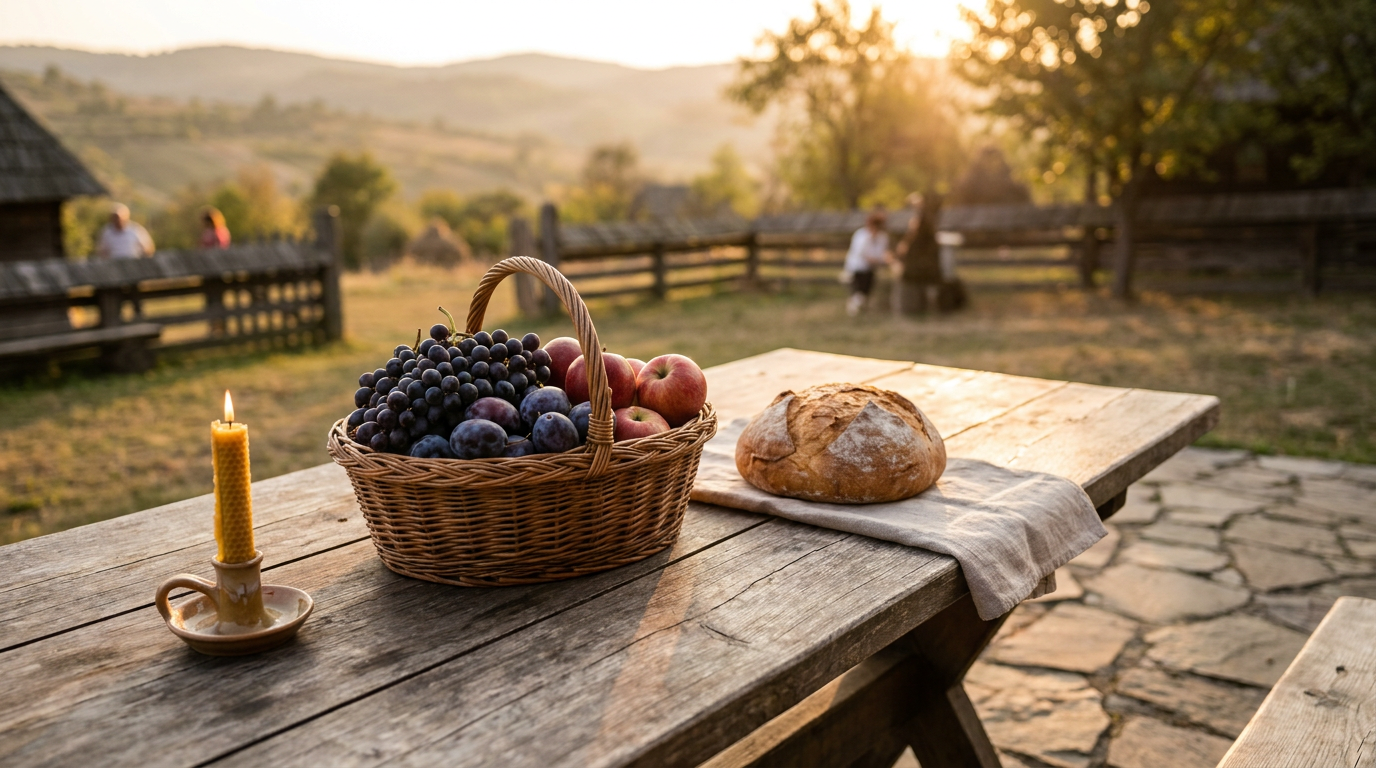
Summer Easter, reverently observed
It is no coincidence that villagers call it the Summer Easter. It is the most important holiday of the warm season, coming after two weeks of fasting and dividing the year right in two: peak summer and an autumn that is just making its way in.
On August 15, the Orthodox Church celebrates the Dormition of the Mother of God, the day the Virgin Mary passed into eternity. It is one of the twelve great feasts of the church year and, for many Romanians, a moment of peace and gratitude, no matter how secular their day-to-day lives might otherwise be.
The holiday carries great significance. From August 1 through the evening of August 14, the Dormition Fast is observed—a short but strict fast meant as a spiritual preparation. It is not as harsh as the one before Easter, but it still requires simpler meals: vegetables, fruit, and fish only on permitted days. Many home cooks take advantage of these two weeks to pickle or preserve the summer yields, so that the table on August 15 is truly bountiful. When the fast ends, tables are laden once more, and a spoonful of polyfloral honey on warm bread suddenly takes on a festive flavor.
Also on August 15, everyone who bears the name of the Virgin Mary and its variations celebrates their name day. If you have any of them in your family or among your friends, it is the perfect time for a tasteful wish.
Grapes, plums, and apples, the gift that is shared
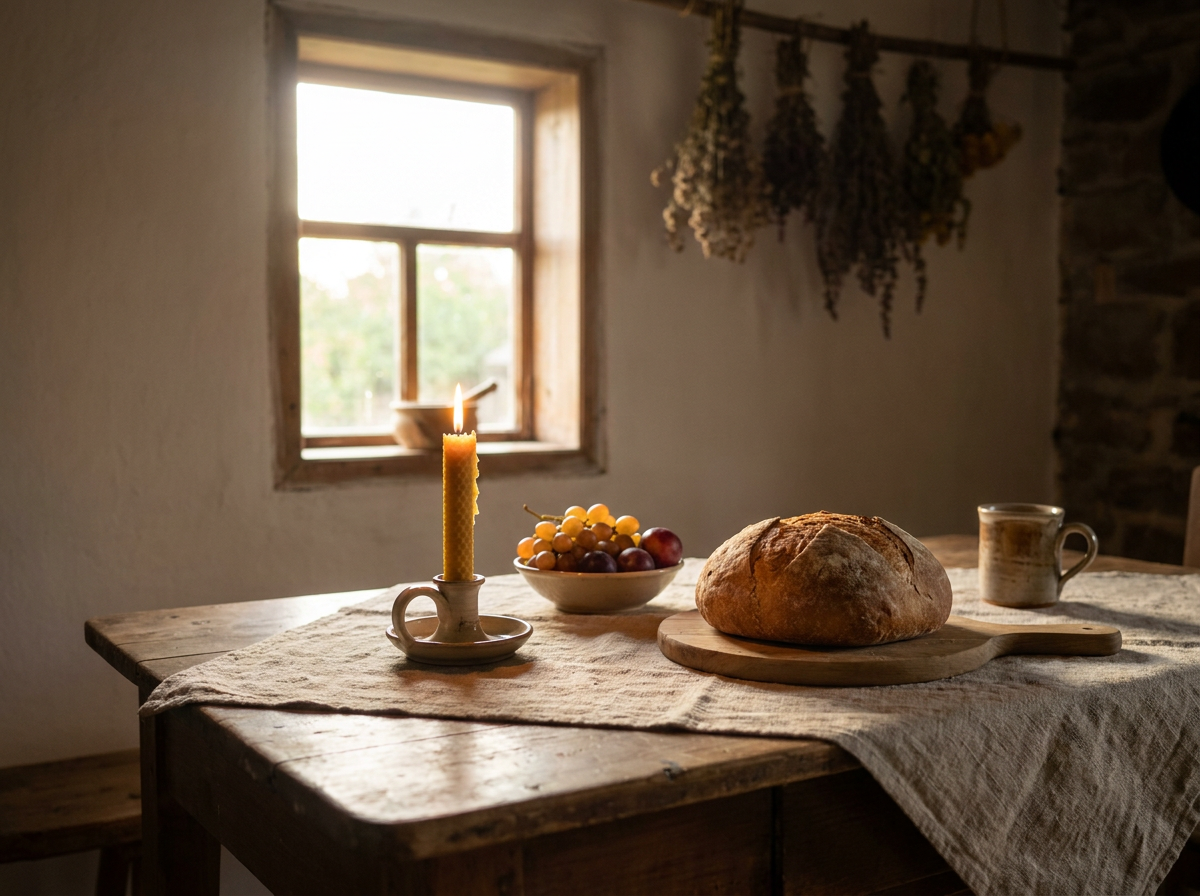
The morning of Saint Mary's Day starts at church, with a basket full of fresh fruit. It is the gesture that connects the harvest to the soul and summer to the memory of loved ones.
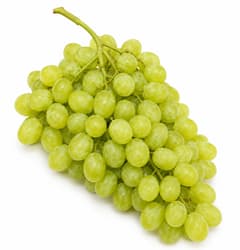
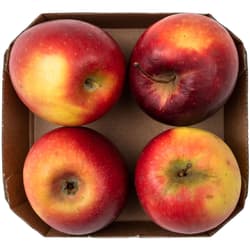
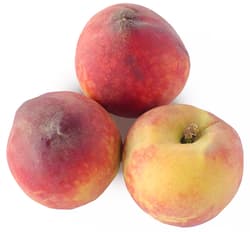
In many regions of the country, families bring grapes, plums, apples, and peaches to church—the first ripe fruits of autumn—to be blessed. After the service, the fruit doesn't just stay at home. A portion is shared with neighbors, the elderly, or those in need, in memory of those who have passed away. It is gratitude expressed through action, not words.
Tradition also says that pregnant women receive special protection from the Mother of God on this day, and unmarried girls used to wash the icon with basil water, hoping for a good year for marriage. Many families still keep the custom today: the first ripe grapes are not tasted before being blessed, no matter how tempting they look hanging ripe in the market. Old superstitions, perhaps, but they say something about how much this day mattered to an entire community.
If you want to keep the tradition at home, all you need is a basket and seasonal fruits, which are abundant in the markets right now anyway. Our grapes, plums, apples, and peaches are harvested right in these weeks, just as they were a hundred years ago.

The last warm barbecue of summer
St. Mary's Day falls right in the middle of August, when the whole family still has a good excuse to gather in the yard. Practically, it is the last big barbecue occasion before the evenings cool down for good.
Not by chance, starting the very next day, on August 16th, the wedding season traditionally begins, lasting until the Nativity Fast. Add to that the large number of people celebrating their name day with the name Maria or Marian, and August becomes, year after year, the month with the most festive feasts and busiest yards.
The recipe depends on every household, but a few things are never missing from the grill: mici, sausages, and a well-marinated pork neck, along with chicken for those who prefer a lighter option. If the weather isn't on your side, oven-baked pork neck with potatoes and rosemary or grilled chicken breast will do brilliantly in the kitchen as well.
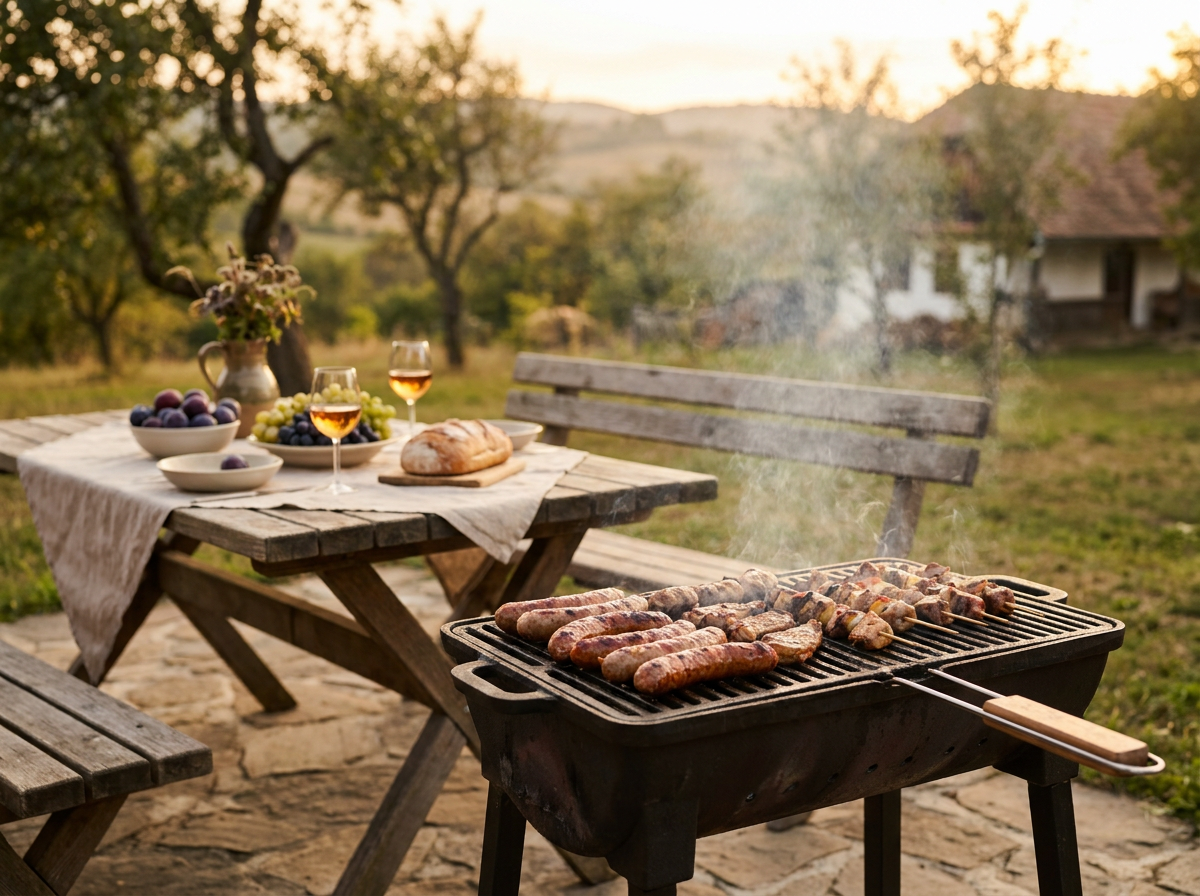
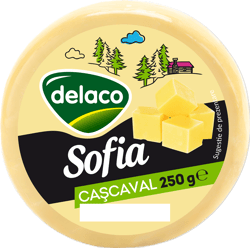
If you know in advance how many guests are coming, count on about 300 grams of meat per person and at least two types of side dishes. Alongside the grill, a true summer meal calls for sun-ripened tomatoes, boiled corn, and thick slices of telemea or cașcaval cheese. It's the simple combination that never fails and, honestly, tastes like rural Romania, no matter where you live now. A glass of cold lemonade or natural fruit juice will keep you company until the meat browns on the grill.
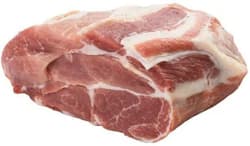
 MEAT AND SALT Boneless pork neck
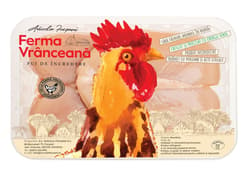
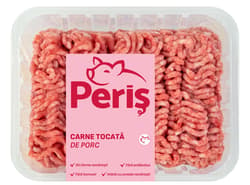
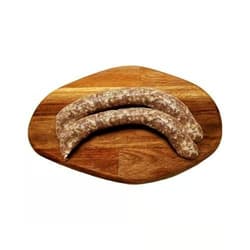
Happy Name Day, Maria and Marian!
If there's at least one Maria, Mărioara, or Marian in your family, August 15th is their big day. And any big day calls for a dessert and a toast.
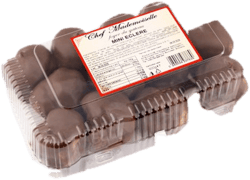
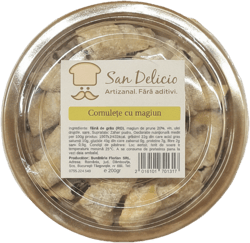
Traditionally, the celebrated person would prepare or receive sweets for guests crossing their threshold with a greeting. It doesn't have to be anything complicated: a few fine vanilla eclairs or some crescent pastries with plum jam, beautifully arranged on a tray, are enough for a successful afternoon gathering. For those who want something more elaborate, an apple cake baked in advance is always a guaranteed success.
If you're visiting a Maria or a Marian with well-wishes, remember a simple yet lovely custom: never show up empty-handed. A bottle of wine, a bouquet of garden flowers, or a box of sweets are thoughtful gifts, and the host, in turn, rewards guests with coffee, cakes, and stories until late in the evening.
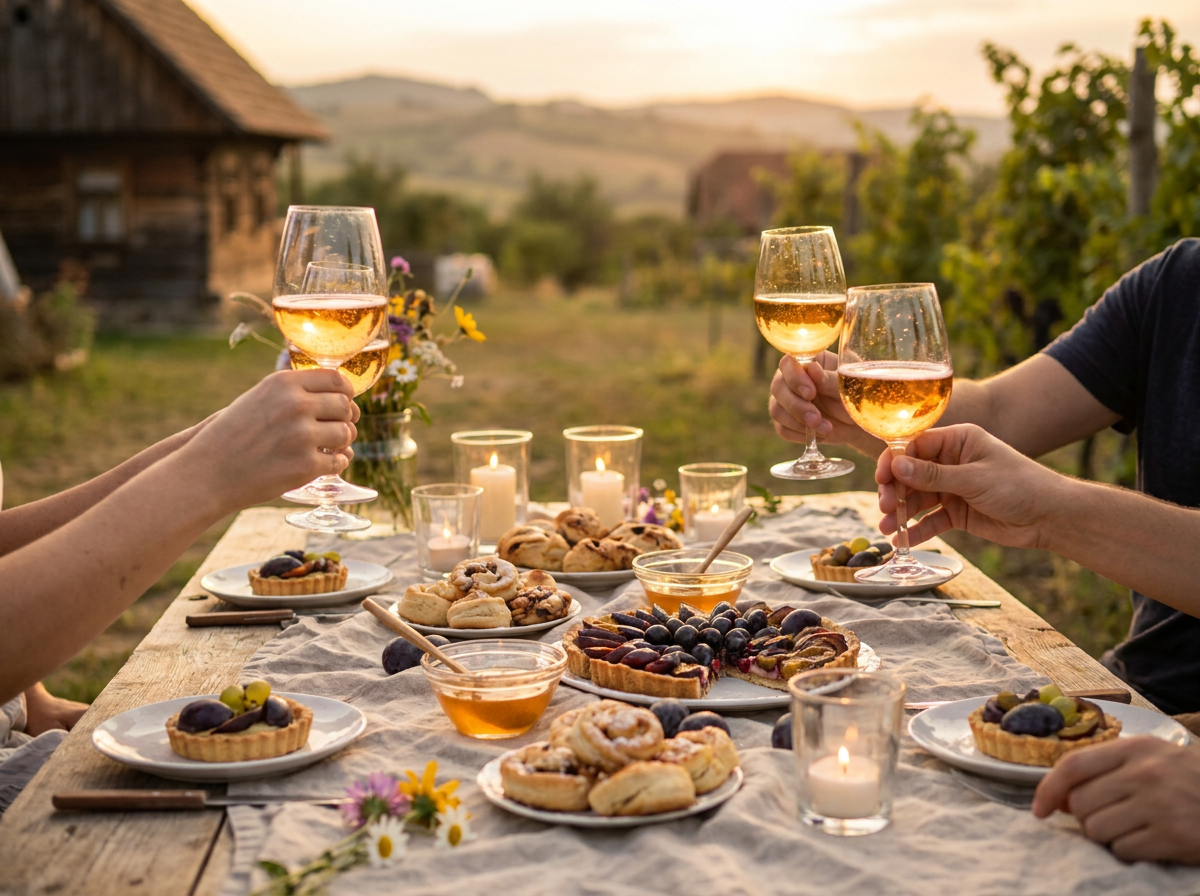
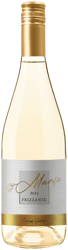
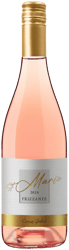
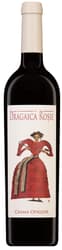
And for the toast, the universe is really lending us a hand. Among the seasonal wines, we find a Frizzante St. Marie, white or rosé, a perfect excuse to raise a glass right on Maria's day. For those who prefer a classic red wine with a roast dinner, Dragaica Rosie remains a safe choice.