Stuffed peppers with meat and rice: Traditional step-by-step recipe
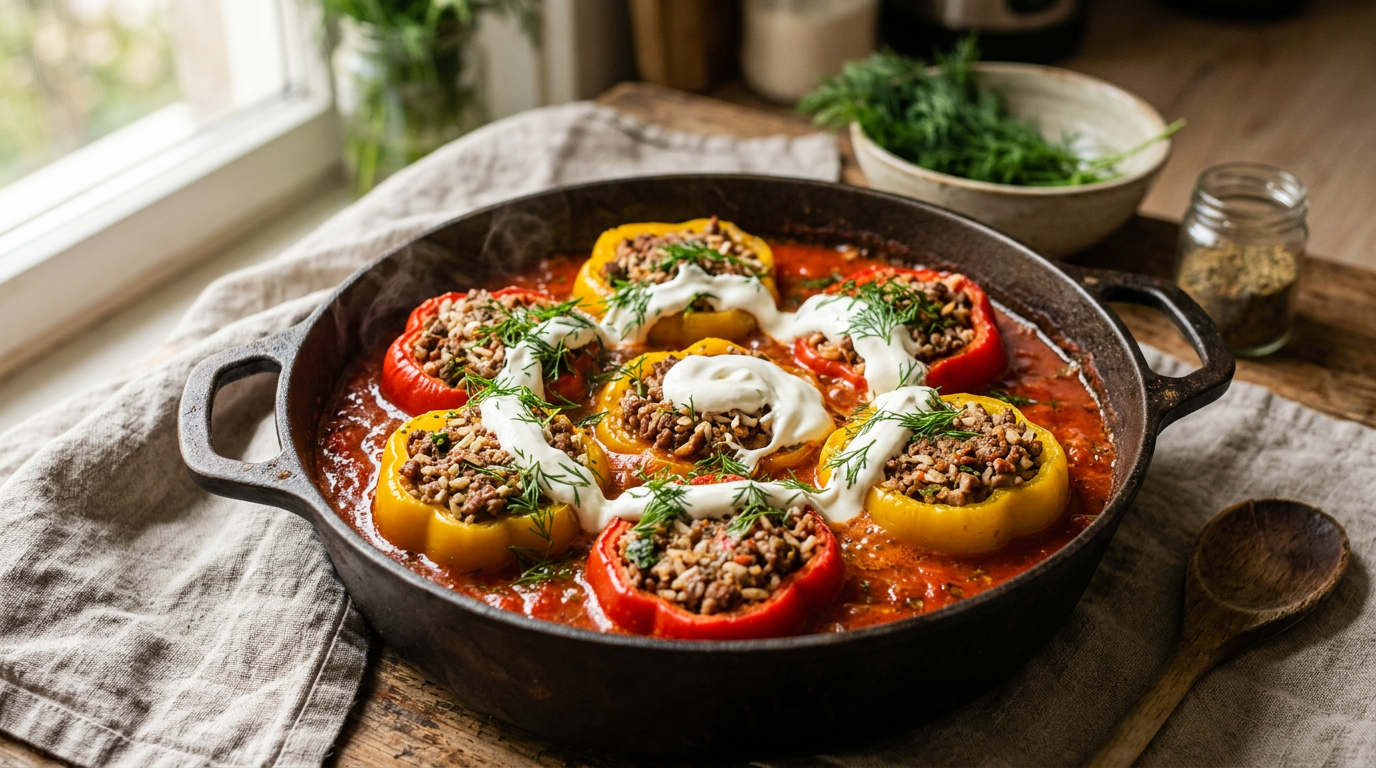
Nothing brings the warmth and nostalgia of Sunday lunches faster than a generous pot of stuffed peppers steaming on the stove. This classic Romanian recipe combines juicy pork and beef with delicate rice, garden herbs, and a rich tomato sauce that coats every bite in a velvety flavour. Discover step-by-step preparation secrets, exact proportions, and little tricks that turn this dish into a celebration of home-cooked taste.
Choosing the peppers: intense aroma, juicy walls, and a stable shape
The success of a legendary pot of stuffed peppers starts right at the market stall or from your fresh vegetable selection. The quality and variety of the peppers dictate not only the final look, but above all the sweetness and texture of every bite.
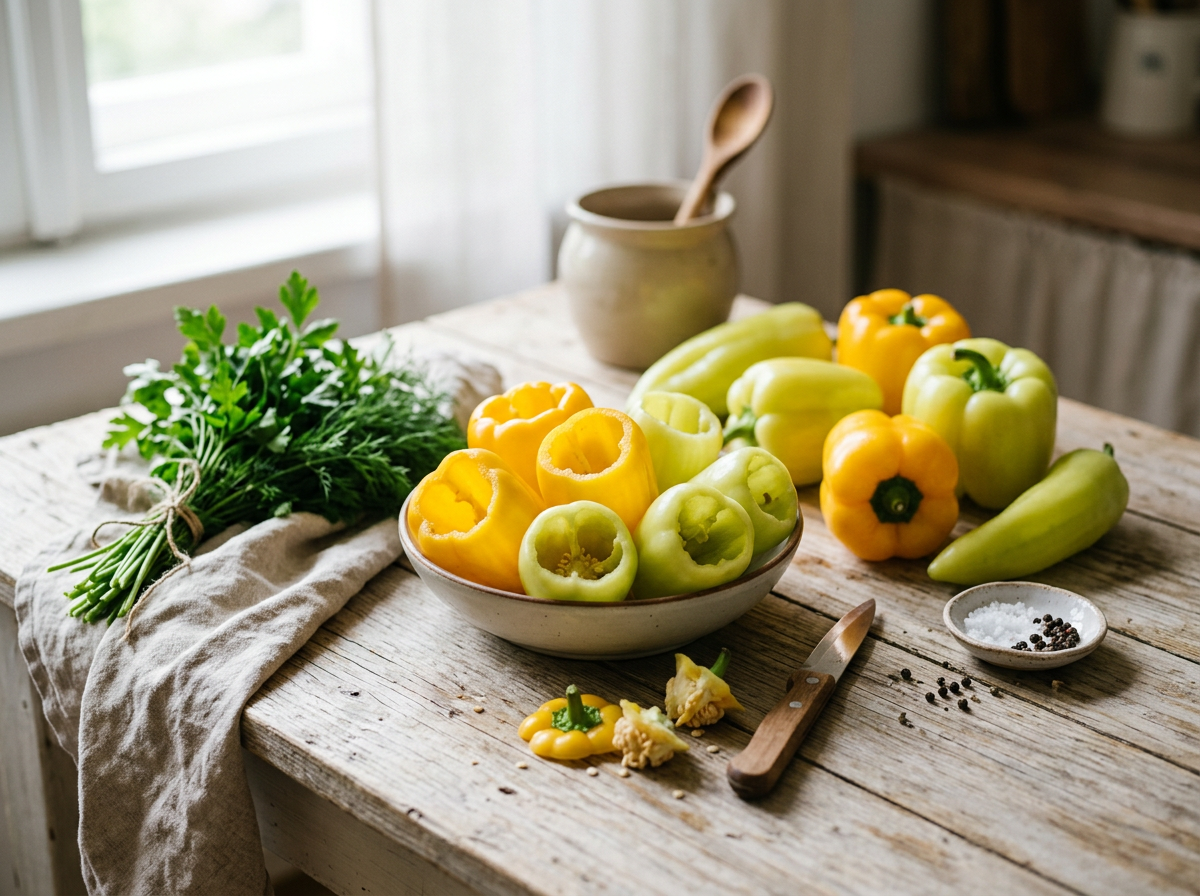
For the authentic traditional recipe, the best suited are yellow garden peppers, also known as the Bianca variety or Romanian yellow bell pepper. Unlike bulky California-type peppers, local yellow peppers have a considerably thinner skin that softens sublimely during simmering without peeling away as a tough film. In addition, their flesh has a characteristic grassy aroma and a natural sweetness that deeply infuses the tomato sauce.
Choose medium-sized peppers, conical or cylindrical, with a base as flat as possible so they stand upright and stable in the pot. Cleaning them requires a little delicacy: cut around the stem with a sharp knife to remove the top, pull out the seed core, and carefully remove the white inner ribs, which can impart a slight bitterness. Wash them quickly under cold water and let them drain completely upside down on a clean kitchen towel.
A trick passed down from skilled home cooks is to sprinkle a fine pinch of salt inside each hollowed pepper and let them sit for five minutes before stuffing. This small step draws out excess moisture and intensifies the flavor of the vegetable. You can explore the range of fresh bell peppers to order home freshly picked produce from verified growers, including classic packaged bell peppers.
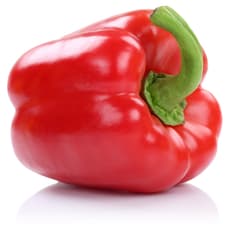

 Red Bell Pepper (piece)
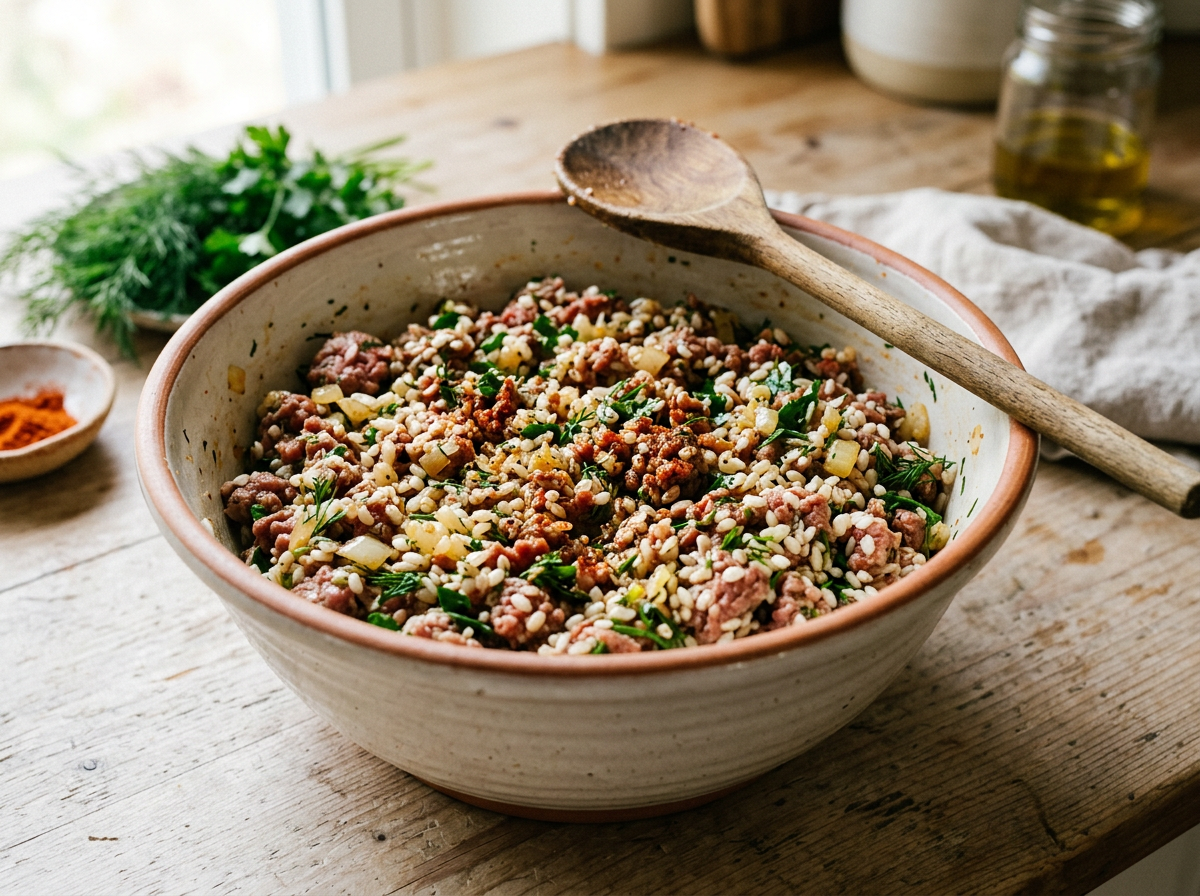
The perfect filling: the golden ratio between meat and fresh herbs
The secret to a filling that remains fluffy and flavorful lies in the optimal fat content and attention given to aromatic ingredients. Without a generous base of gently sautéed onion and fresh herbs, the meat loses its juiciness.
For the unmistakable taste of grandma's stuffed peppers, the most balanced ratio is 50% pork shoulder and 50% beef, or even 70% pork and 30% beef. Pork provides the indispensable tender fat, while beef gives depth and a pronounced meaty texture. If you choose exclusively lean meat, such as chicken breast or lean beef, the mixture will shrink during cooking and become crumbly and dense.
Cutting and cooking the onion is a crucial step. Instead of adding raw onion straight into the meat, finely chop it and sauté it gently over low heat in two tablespoons of sunflower oil or clean lard, along with a pinch of salt, until it becomes glossy and translucent. This light caramelization activates the onion's natural sugars and removes the raw sharpness, giving the filling a velvety roundness.
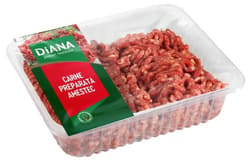
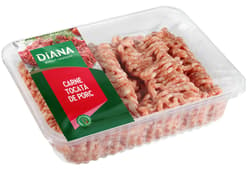
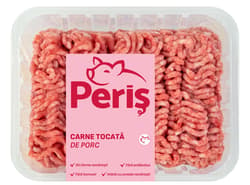
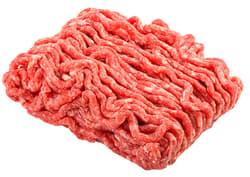
A frequent debate in the kitchen is whether to add an egg. In the authentic traditional recipe, the egg is omitted entirely. The starch gradually released by the round-grain rice naturally binds the mixture, keeping it light and tender. Egg tends to set the proteins at high heat, turning the center of the pepper into a compact meatball. Instead, add two large bunches of very finely chopped fresh dill and parsley, a teaspoon of sweet paprika, and freshly ground black pepper. You can quickly find the selection of fresh minced meat, including the classic Diana pork and beef minced meat mix.
Rice and spices: round grains that bind the meat's flavor
Every grain of rice and every spice plays a structural role in the filling. It is not just about taste, but pure culinary chemistry that allows the meat to breathe during slow simmering.
Round-grain rice
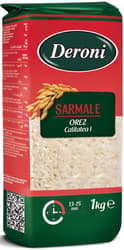
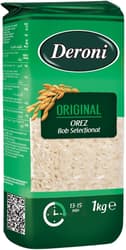
Round-grain rice, frequently labeled as rice for sarmale, is irreplaceable. Its high amylopectin content ensures a creamy texture and binds the meat juices. Long-grain varieties like basmati stay dry and separate from the meat. Rinse the rice in three changes of cold water to remove impurities and add it, well-drained, directly to the meat, in a ratio of about 80-100 g per 500 g of minced meat. Order selected varieties online from the quality rice category, such as the classic Deroni rice for sarmale.
Classic spices
Romanian tradition relies on restraint and clarity of flavor. Coarse sea salt enhances the meat juices, while coarsely ground black pepper provides a pleasant warmth. Good-quality sweet paprika brings a warm hue and a subtle sweet smoky aroma. A pinch of dried thyme rubbed between your palms adds that unmistakable rustic note, and a few whole peppercorns dropped into the pot perfume the sauce during a gentle simmer.
Dill and parsley
Fresh herbs are the bridge between the rich taste of the meat and the sweetness of the tomato sauce. Finely chopped dill offers a fresh, aniseed note that cuts through the heaviness of pork fat, being the culinary hallmark of stuffed peppers from Muntenia and Moldavia. Parsley brings vegetal freshness and a vibrant green color. Add a generous amount to the raw mixture and keep a few fresh sprigs to sprinkle over the dish at the end.