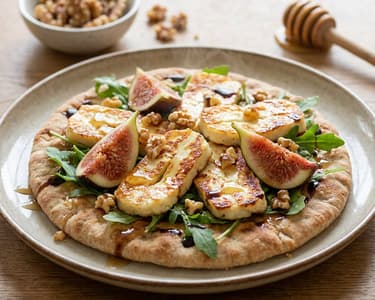
Fresh figs: Complete guide, benefits, and aromatic jam
Sweet, fragrant, and incredibly versatile, fresh figs are the most refined delight of early autumn. Find out how to recognize perfectly ripe fruit right at home, what extraordinary benefits they bring to your digestion and energy, how to pair them with fine cheeses, and how to prepare the most aromatic traditional jam step by step.
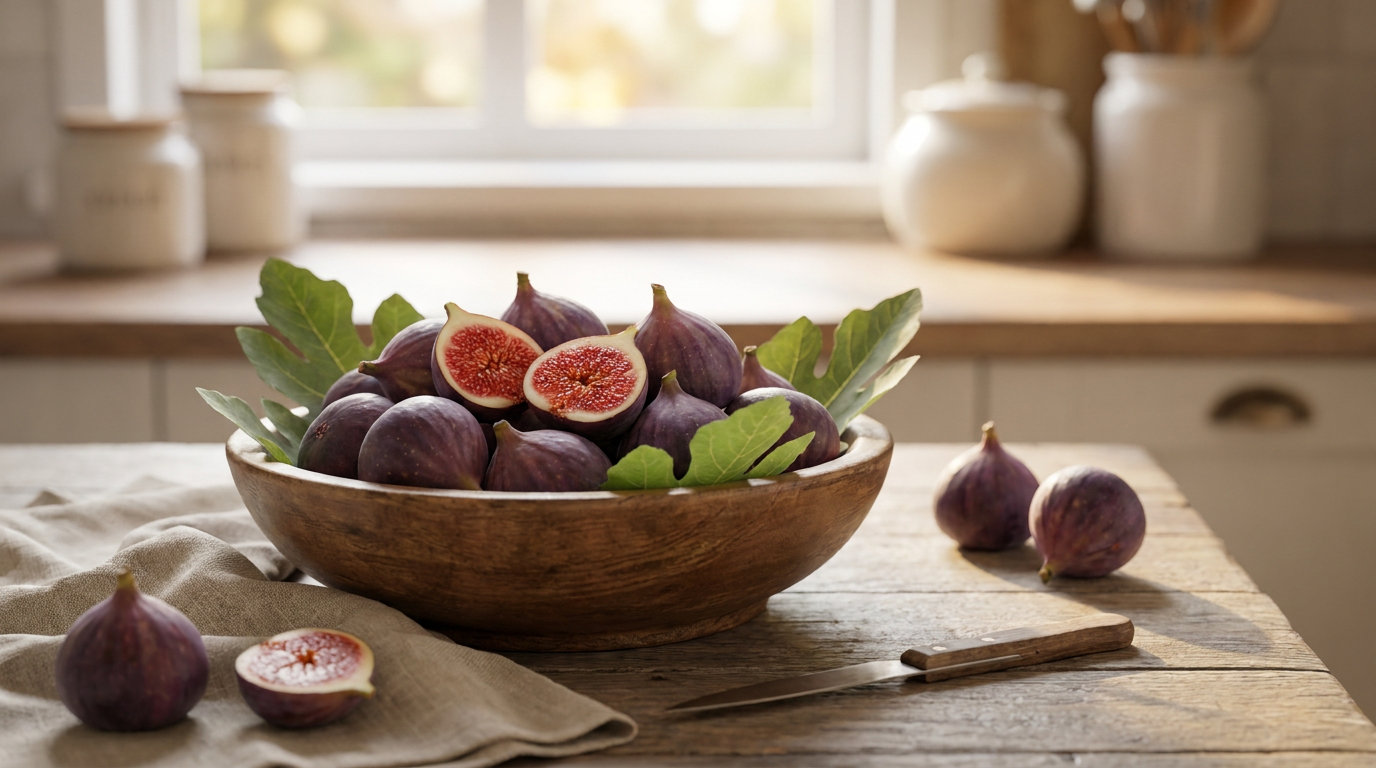
Autumn magic: Why fresh figs are the stars of the season
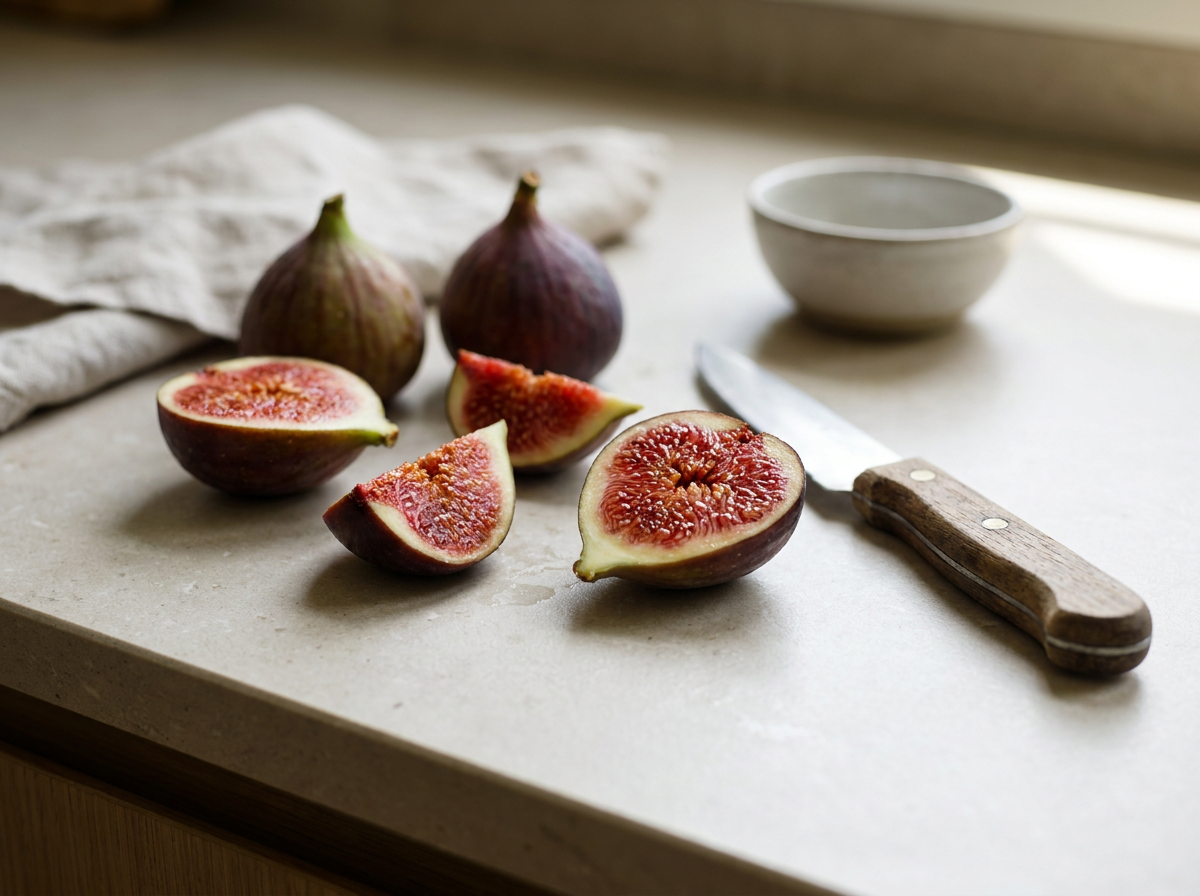
There is a short window every year, between late summer and the first weeks of autumn, when nature offers us one of the oldest and most appreciated fruits of the Mediterranean basin. Fresh figs captivate with their unmistakable texture, featuring a velvety, sweet core and tiny seeds that offer a crunchy feel with every bite. Unlike other fruits, the fig is actually an inverted inflorescence, with each fruit hiding hundreds of tiny flowers inside that have transformed into juicy pulp.
Because they are highly perishable and sensitive to handling, finding intact figs in traditional stores can be a gamble. When you order on Sezamo from the dedicated fresh fruit category, you benefit from temperature-controlled refrigerated transport, so the fruit arrives at your table without pressure, bruises, or loss of flavor.

Golden nutritional profile: Real benefits for digestion and energy
Fresh figs are a true powerpack of health in an irresistible natural package. With a water content of nearly 80%, they offer a low calorie intake (only 74 kcal/100g), being significantly lighter than dried versions, but just as rich in essential micronutrients.
Soluble fibers such as pectin and natural mucilages support smooth intestinal transit, nourishing healthy microbiota without irritating the stomach. In addition, polyphenols and flavonoids from the purple skin provide a strong antioxidant barrier against cellular oxidative stress.
Cardiovascular support
The generous intake of potassium regulates blood pressure and balances sodium in the body, supporting muscle tone and the nervous system during busy periods.
Transit & Digestive comfort
Delicate fibers act as a natural prebiotic, stimulating peristalsis and preventing bloating, making them recommended for regulating digestion for the whole family.
Strong bones and vitality
The fig is among the fruits richest in plant-based calcium, alongside copper and vitamin K, essential for bone density and optimal energy metabolism.
Home Freshness Guide: How to evaluate, store, and know when they are perfect
Since your Sezamo order arrives directly at your door, you don't need to spend minutes squeezing fruit on the shelf. When you open your bag of fresh figs, here are simple steps to assess their ripeness and enjoy their authentic taste at full intensity:
Visual test and firmness
A ripe fig has a deep color (dark purple, ruby, or golden-green depending on the variety), with slightly matte skin and a firm stem. With a very gentle press, the fruit yields slightly, without being soft or watery.
The honey drop at the base
The ultimate sign of perfect ripeness is a tiny drop of clear, syrupy juice at the opening at the base of the fruit. That natural nectar indicates an ideal concentration of sugar and flavor.
Washing right before eating
Do not wash figs before storing them, as moisture accelerates spoilage. Rinse them gently under a light stream of cold water just a few minutes before enjoying or cooking them.
The secret to cold storage
If you don't consume them the same day, place the figs in a shallow container lined with a paper towel, in a single layer (without overlapping). In the refrigerator crisper drawer, at 2-4°C, they maintain their flawless freshness for 3 to 5 days.
The Art of Culinary Pairings: Fine Cheeses, Noble Charcuterie, and Pure Honey
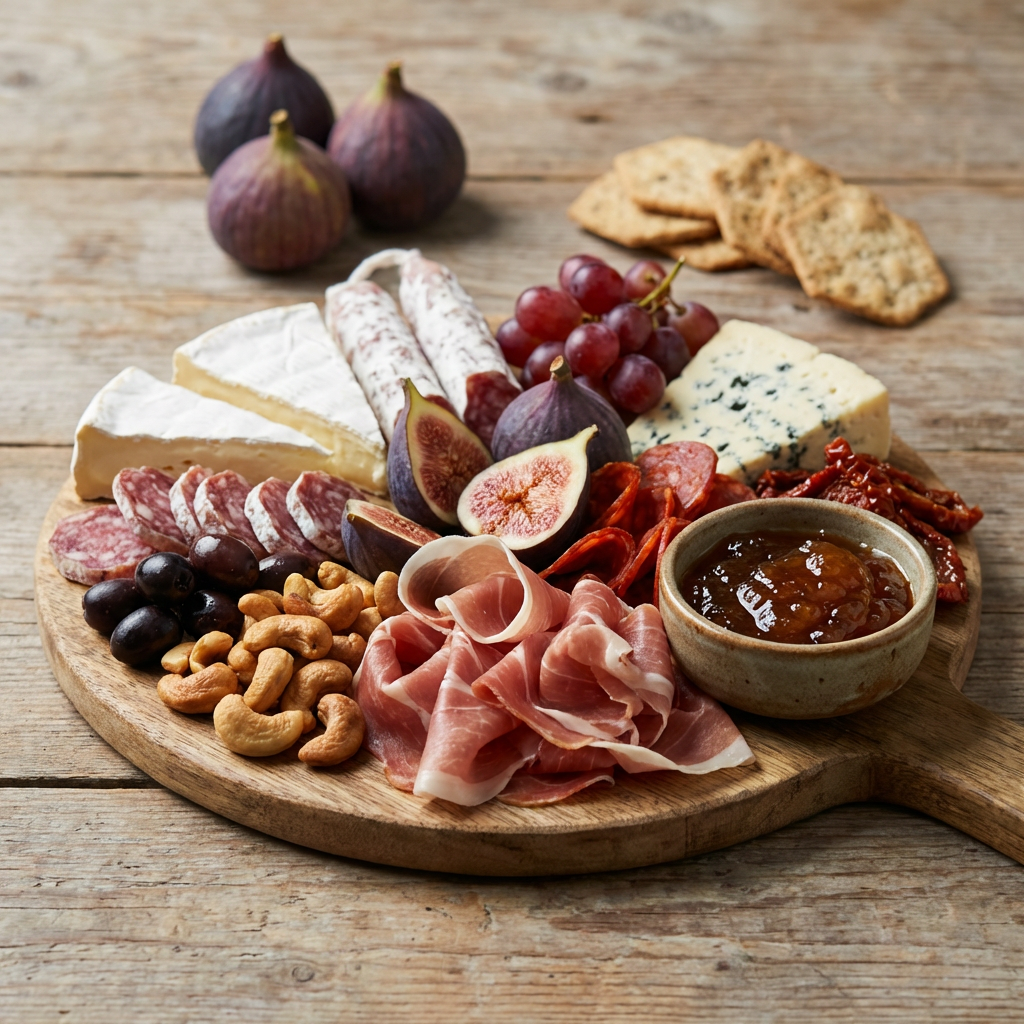
The deep sweetness and fleshy texture of fresh figs create a spectacular contrast alongside salty, creamy, or aged ingredients. In Mediterranean cuisine, the fig is the ideal bridge between appetizer and dessert, turning a simple platter into a memorable gourmet experience.
| Culinary Partner | Why the Magic Works | Serving Suggestion |
|---|---|---|
| Blue Cheeses (Gorgonzola, Roquefort) | The salty and pungent note of the noble mold is instantly softened by the honeyed center of the fig. | Figs scored in a cross, stuffed with blue cheese, and drizzled with dense balsamic vinegar. |
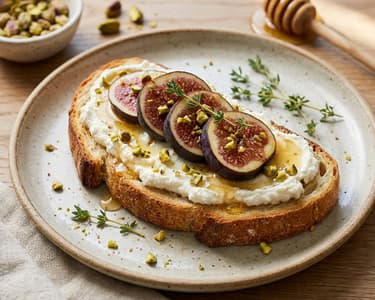
| Goat Cheese & Ricotta | The fresh acidity of goat's milk and the delicate texture of ricotta highlight the fruit's sweetness without overpowering it. | Crispy sourdough crostini with a generous layer of cream cheese, sliced figs, and fresh thyme. |
| Prosciutto Crudo di Parma | The fine fat and intensely aged flavor of dry-cured ham wrap perfectly around the fruit's freshness. | Fresh fig quarters wrapped in thin slices of prosciutto crudo, served at room temperature. |
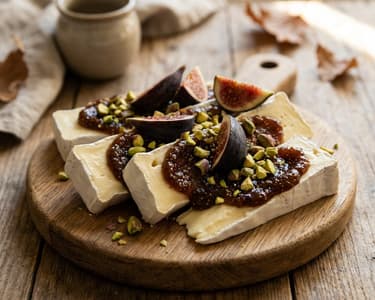
| Raw Nuts, Pistachios & Honey | The crunch of lightly toasted nuts and the richness of floral honey complete the taste sensation in perfect balance. | Warm platter with baked Camembert, caramelized figs, pistachio kernels, and wildflower honey. |



 Quick

 30 min