Bulgur vs. Rice: Nutrition Guide and Recipes
The Side Dish Dilemma: Golden Bulgur or Classic Rice?
When you are looking for a nutritious, tasty, and quick-to-prepare side dish, options abound on Sezamo's shelves. But in recent years, an ancient Middle Eastern grain has conquered modern kitchens: bulgur. With its slightly nutty texture, chewy grain, and impressive nutritional profile, bulgur challenges the supremacy of white and basmati rice. Which is the ideal choice for your lifestyle, what nutritional differences exist, and how do you transform bulgur with vegetables into a memorable dinner? In this complete guide, we explore both ingredients in detail to help you make the best choices for your family.
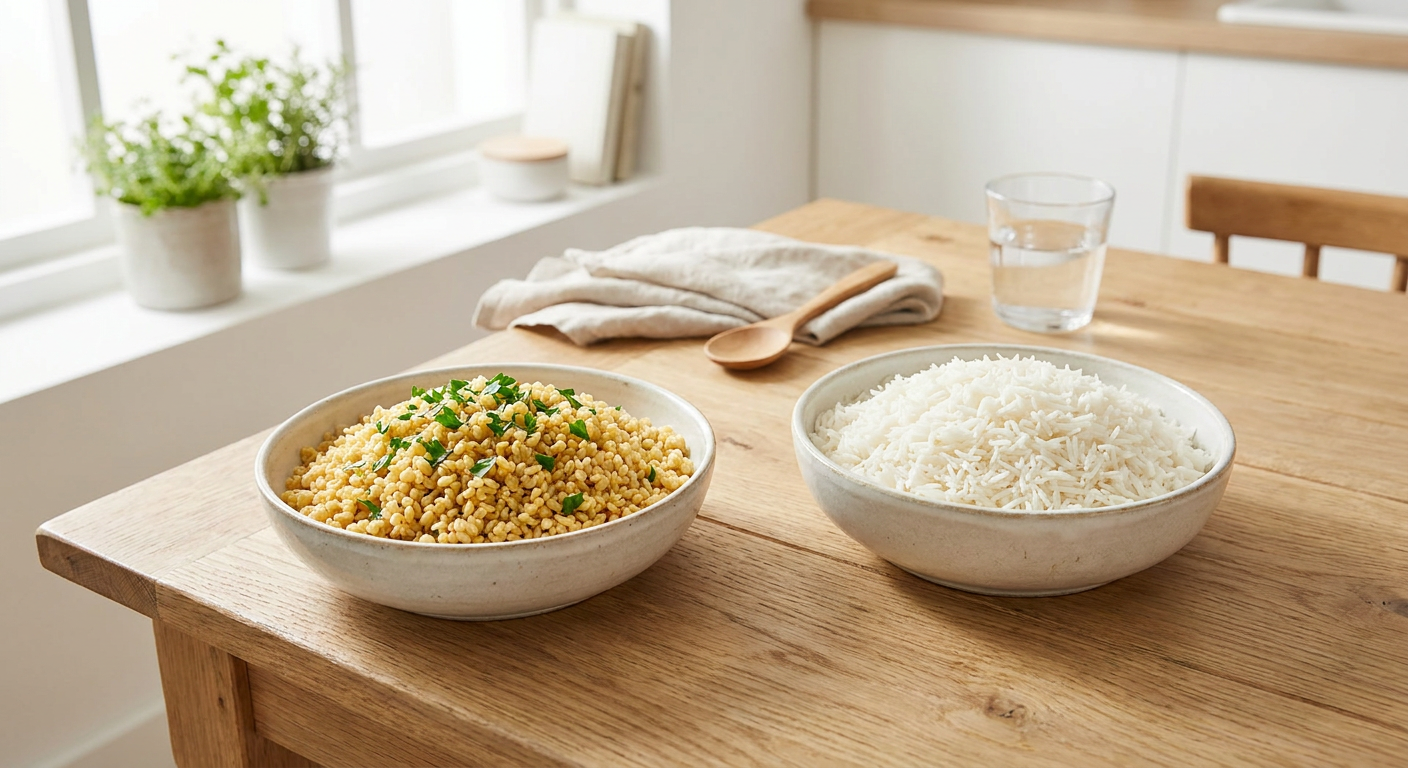
What is bulgur and how does it fundamentally differ from rice?
Many confuse bulgur with couscous or brown rice, but its origin is distinct and steeped in history. Bulgur is not a separate plant, but a traditional preparation made from durum wheat (Triticum durum) grains. The whole grains are parboiled, sun-dried, and then cracked into fragments of varying sizes, from fine grain to large kernels. This ancient pre-cooking process gives bulgur an extremely short cooking time and keeps the mineral- and fiber-rich bran layer intact.
There are four main grain sizes available on the market: fine bulgur (ideal for the famous Tabbouleh salad or vegetarian meatballs like Kisir and Kibbeh), medium bulgur (excellent for soups and fillings), coarse bulgur (perfect for nutritious pilafs), and whole grain bulgur. Each type brings a specific note to the plate, offering amazing culinary versatility.
Unlike bulgur, rice is a cereal harvested directly as a whole grain from aquatic crops. Depending on the level of refining, white rice has its bran and germ removed, remaining predominantly a core of pure starch. Varieties like basmati, jasmine, or brown rice retain their natural aromas and nutrients to varying degrees. The culinary result? Bulgur offers a firm, chewy texture and an unmistakable toasted nutty flavor, while rice has a softer texture and a delicate, absorbent taste.
🌾 Bulgur's Highlights
The heart of Mediterranean and Levantine cuisine. Naturally pre-cooked, it is ready in just 10-12 minutes by soaking or brief boiling. It keeps fibers intact, offers a prolonged feeling of satiety, and has a low glycemic index.
🍚 The Versatility of Rice
The king of global cuisine, from the Romanian pilafs of childhood to creamy Italian risotto, Spanish paella, and Japanese sushi. Available in dozens of gluten-free varieties, ideal for delicate dishes.


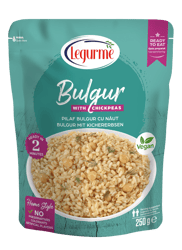
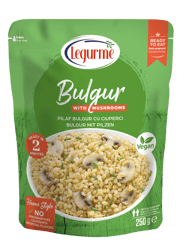
Nutritional Profile: Bulgur vs. Rice under the Microscope
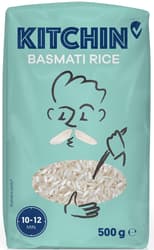
If we analyze the nutritional values per 100 grams of dry product, the differences between bulgur and popular rice varieties become obvious. Bulgur is a true champion of nutritional reliability, having almost 4 times more fiber than classic white rice and significantly fewer calories per cooked portion due to its excellent water absorption capacity.
| Nutritional value (100g) | Bulgur | White Rice (Basmati) | Brown / Whole Grain Rice |
|---|---|---|---|
| Calories (kcal) | ~342 kcal | ~355 kcal | ~360 kcal |
| Dietary fiber | 18 g | 1.3 g | 3.5 g |
| Protein | 12.3 g | 7.1 g | 7.5 g |
| Quality carbohydrates | 76 g (complex) | 78 g (simple/medium) | 76 g (complex) |
| Glycemic Index (GI) | Low (~46) | High (~70) | Medium (~55) |
| Magnesium & Iron | Excellent (32% RDA) | Low | Moderate |
A crucial aspect for constant energy throughout the day is the bulgur's low glycemic index (GI ~46). Due to the complex network of insoluble and soluble fibers, carbohydrates are broken down slowly in the digestive tract. Glucose is gradually released into the blood, preventing insulin spikes, sudden fatigue, and hunger pangs between meals.
In addition, bulgur is an exceptional source of B-complex vitamins (B1 thiamine, B3 niacin, B6 pyridoxine) and essential microelements such as manganese, phosphorus, magnesium, and iron. Manganese plays an essential role in bone health and the activity of antioxidant enzymes, while magnesium supports muscle relaxation and the optimal functioning of the nervous system. In contrast, a bowl of refined white rice offers faster digestion and a more modest mineral profile, being particularly useful for athletes to quickly replenish glycogen stores immediately after training.
The benefits of bulgur for your daily health
Regularly integrating bulgur into your weekly menu brings concrete health benefits, supported by numerous modern nutrition studies. Whether you want to keep your weight under control, prevent metabolic disorders, or optimize your digestion, bulgur works as a multifunctional ally in the kitchen.
Optimal digestion & microbiome
Prebiotic fibers feed beneficial gut bacteria, stimulating the production of short-chain fatty acids (butyrate) that protect the colon.
Appetite control
Prolonged satiety slows down the secretion of the hunger hormone (ghrelin), reducing sweet cravings and helping to maintain the desired weight.
Cardiovascular protection
Plant lignans and magnesium from whole durum wheat grains support arterial elasticity and help regulate LDL cholesterol levels.
Clinical studies show that replacing refined carbohydrates with whole grains like bulgur can reduce the risk of type 2 diabetes by up to 20-30%. In addition, the phytonutrients in bulgur contribute to reducing chronic inflammation in the body. Tasty, easy to digest, and extremely nutritious, bulgur is an excellent choice for the whole family.
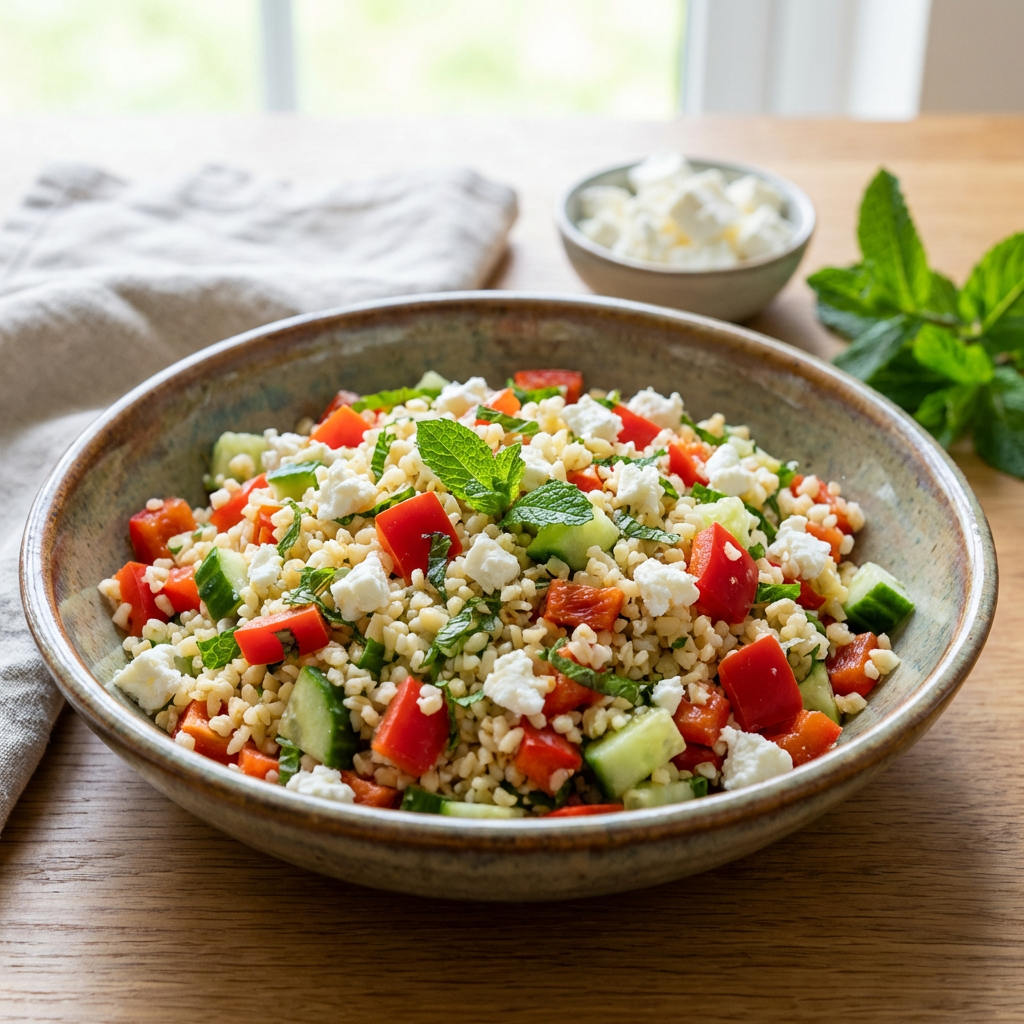
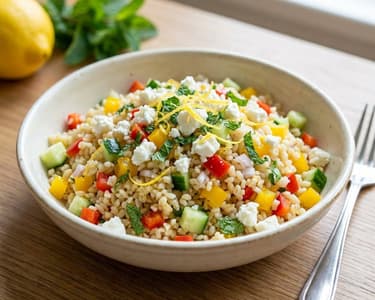
For delicious preparation ideas with bulgur, you can try the recipe for Bulgur salad with feta cheese and mint or the hearty dish of Baked chicken with bulgur salad and vegetables directly in the Chef Sezamo section.
 30 min
 Under an hour