How to make the best Romanian meatballs: Fluffy recipe
Nothing compares to the aroma of Romanian meatballs fresh from the pan or oven. Whether you are preparing them for a family meal or a festive holiday platter, fluffy and juicy meatballs are a true symbol of our cuisine. In this step-by-step guide, we discover all of grandmothers' secrets for a tender, perfectly seasoned, and impeccably browned mixture.
1. Secrets to a tender mixture: meat, fat, and the perfect balance
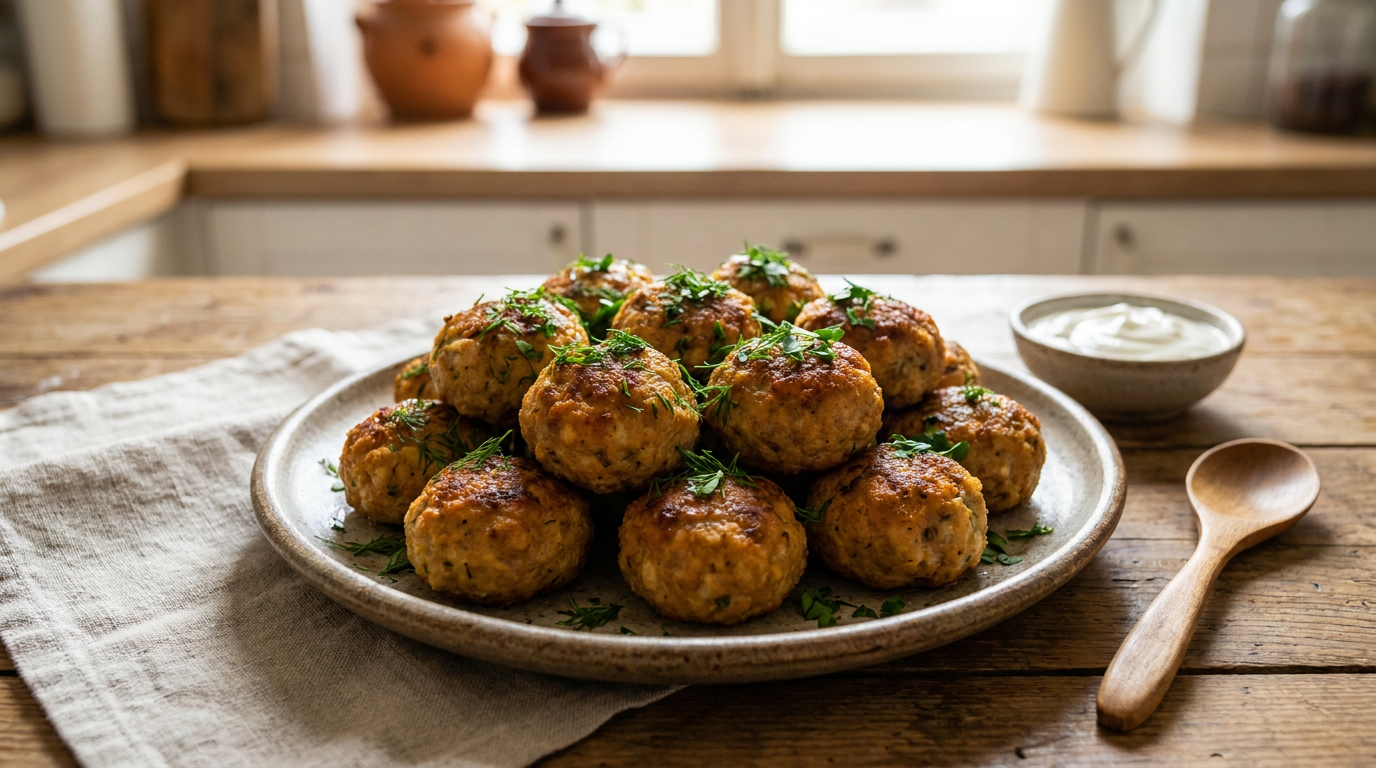
The absolute crucial first step for memorable meatballs is choosing and preparing the minced meat. If you use exclusively lean meat, such as pure beef tenderloin or chicken breast, the risk of getting dry and tough meatballs is extremely high. The traditional secret passed down through generations lies in combining pork and beef in a 2:1 or 1:1 ratio, where the pork provides natural fat and juiciness, and the beef brings a firm structure and rich flavor.
For a fine, silky, and easy-to-knead texture, it is recommended to pass the pieces of meat twice through the medium plate of the meat grinder. This technical detail breaks down the muscle fibers better and helps create a smooth emulsion when adding the rest of the ingredients. In the Sezamo range, you can find fresh minced meat from the special category, made from carefully selected Romanian cuts from local butchers, ready to be kneaded right in your kitchen.
Another essential aspect is the temperature of the meat when kneading. The meat should not be frozen or straight out of the freezer, but kept at refrigerator temperature (around 4 degrees Celsius). Cold fat will emulsify flawlessly during hand kneading, keeping the mixture light and preventing oil separation during cooking.
Golden rules for meatball meat:
• The ideal fat ratio: The mixture should contain between 15% and 20% natural fat to stay juicy on the inside during frying or baking in the oven.
• Freshly minced: Always buy fresh meat from trusted sources so that muscle fibers naturally bind the ingredients without artificial additives.
• Vigorous kneading: Knead the meat for 5 to 8 minutes before adding the remaining ingredients. This process releases the proteins in the meat and creates a homogeneous, silky bond.
2. Master tricks: how to achieve an extremely fluffy texture
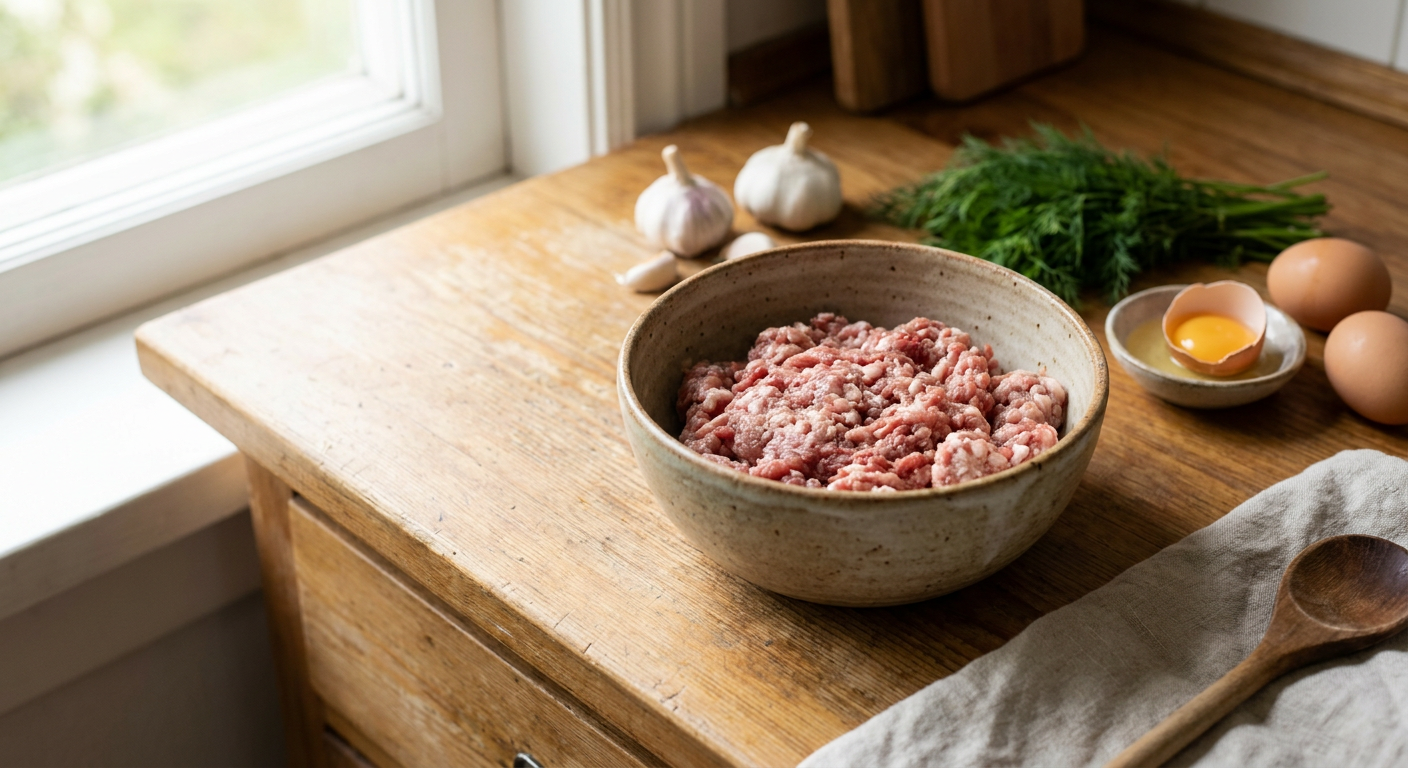
Why do some meatballs turn out hard as a rock, while others are so tender they melt in your mouth? The answer lies in the hydrating and tenderizing agents added to the mixture. White bread soaked in water or milk is the classic ingredient used by Romanian home cooks, but there are a few modern tricks that take the recipe to another level of perfection.
The secret lies in the balance between liquid and dry ingredients. When you add soaked bread, it traps steam inside the meatball during cooking, preventing the meat fibers from drying out. Also, a small grated potato adds fine starch that binds water and keeps the meatballs soft even the next day when served cold.
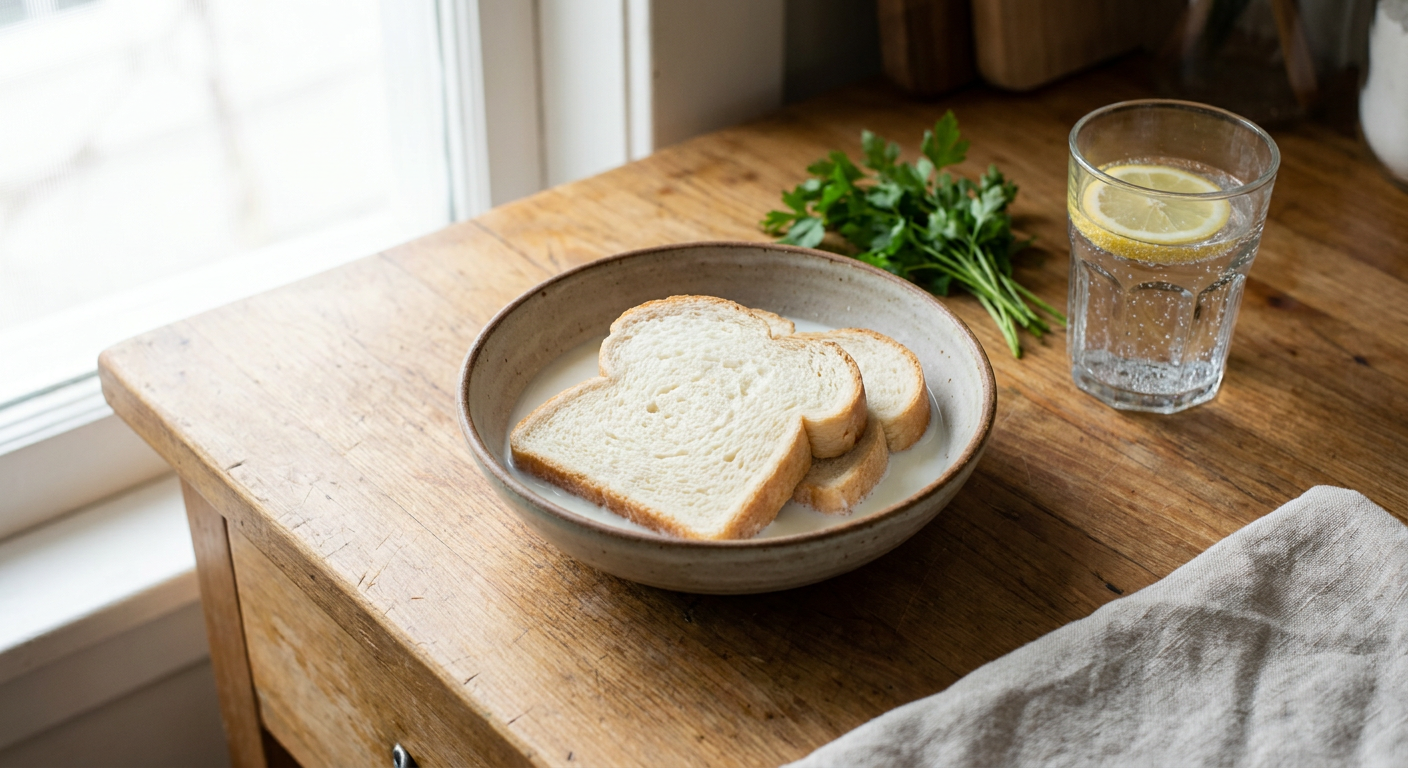
Magic ingredients for tenderness:
• Day-old bread: Use quality white bread crumb, soaked in lukewarm milk and squeezed well between your palms before incorporating.
• Grated potato or zucchini: A small potato or a quarter of a zucchini finely grated and lightly squeezed adds natural moisture without altering the taste of the meat.
• Sparkling mineral water: Add 2-3 tablespoons of cold mineral water to the mixture. Carbon dioxide bubbles create tiny air pockets in the mixture.
• Egg moderation: A single egg is enough for 500g of meat. Too many eggs will bind the mixture too tightly and make it rubbery.
3. Authentic seasoning: the balance of unforgettable flavors
The unmistakable taste of Romanian meatballs comes from a generous aroma of garlic and fresh herbs. Unlike other meatballs in international cuisine, our traditional version emphasizes pure spices, fresh vegetables, and unadulterated flavors.
To avoid large pieces of uncooked vegetables inside the meatball, the onion and garlic must be prepared with care. A trick appreciated by skilled chefs is gently sautéing the finely chopped onion in a little sunflower oil before adding it to the mixture. Sautéed onion brings a subtle sweetness and prevents heartburn. Discover dried and aromatic spices in our dedicated section to perfect the recipe.
The ideal ratio of spices guarantees that no single ingredient aggressively dominates, but rather forms a perfect flavor synergy. From a pinch of dried thyme to freshly ground black pepper, every spice plays a well-defined role in the mixture.
Fresh garlic
Use 4-5 finely crushed garlic cloves per half a kilogram of meat. Freshly crushed garlic releases allicin and provides that unmistakable savory note.
Fresh herbs
Finely chopped dill and parsley bring freshness and color. The combination of dill and garlic is the signature aromatic footprint of Romanian meatballs.
Salt, pepper, and thyme
Fine salt enhances the taste, while freshly ground black pepper brings a mild kick. A pinch of dried thyme complements the pork perfectly.
4. Step by step: uniform shaping for even cooking
After kneading the mixture well with all the ingredients, cover the bowl with plastic wrap and leave it in the fridge for at least 30 minutes. This resting time is essential: it allows the spices to penetrate the meat fibers, and the fat in the meat will firm up, making the mixture much easier to handle without sticking.
A practical trick for equal portioning is using a small ice cream scoop or a deep teaspoon. This way, each meatball will be exactly the same size and will cook at the same time as the others in the pan or baking sheet.
Step 1: Wetting hands with cold water
Moisten your palms with cold water or a drop of oil every time you form a meatball. The mixture will not stick to your hands, and you will get a smooth and fine surface.
Step 2: Optimal size
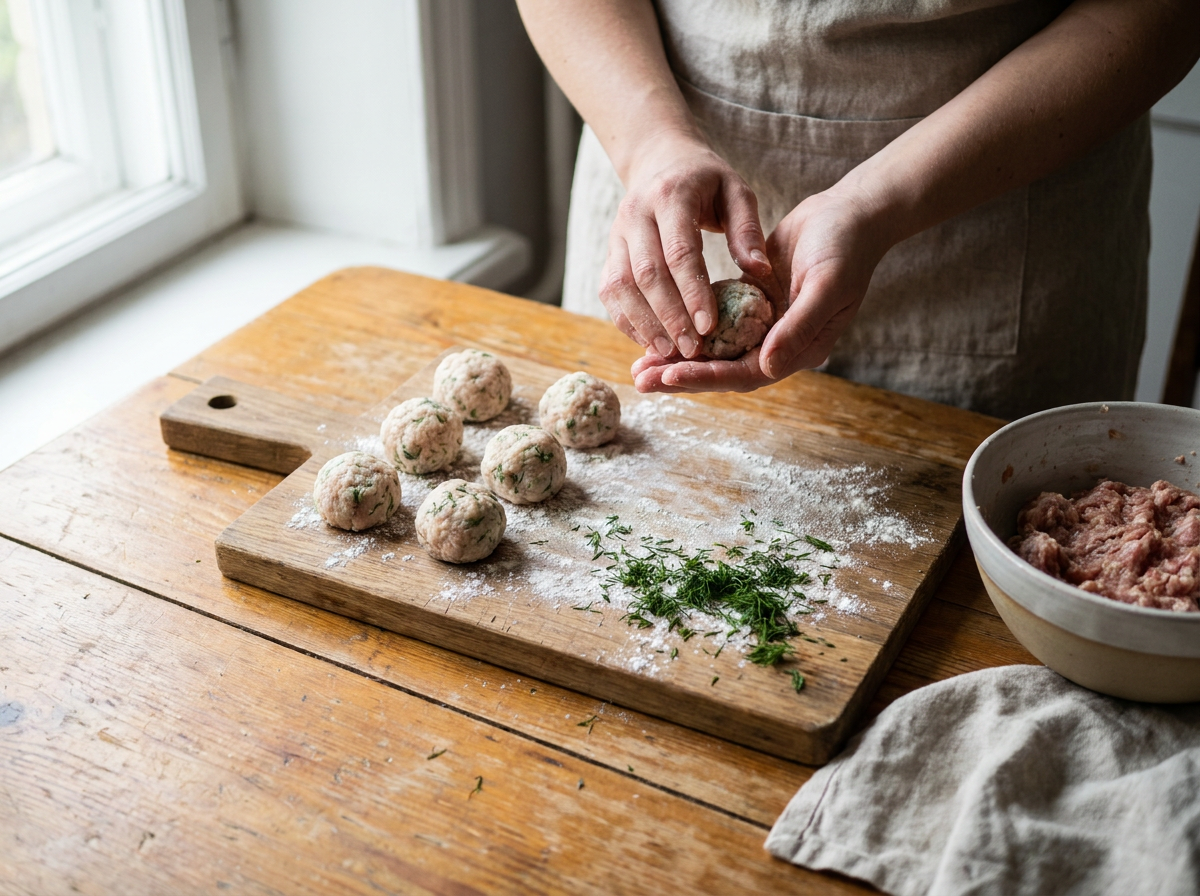
Form balls the size of a large walnut (approximately 30-35g). Flatten them slightly between your palms to ensure fast and even cooking when frying or baking.
Step 3: Optional crust
For pan-frying, you can roll the meatballs in a little white flour or fine breadcrumbs. The resulting crust will seal in the juices inside and add a delicious crunch.
5. Pan-fried or oven-baked: how to cook them properly
Each cooking method has its own charm and culinary advantages. Traditional pan-frying offers an extremely crispy crust and an intense golden-brown color, while oven baking is a modern, healthier option, with no smoke in the kitchen and reduced added oil.
Cooking temperature is the secret to eliminating uneven cooking. If the heat is too high, the meatballs will burn quickly on the outside while remaining raw in the middle. If the heat is too low, the meat will simmer in its own juices and absorb a large amount of fat.
Classic pan-frying
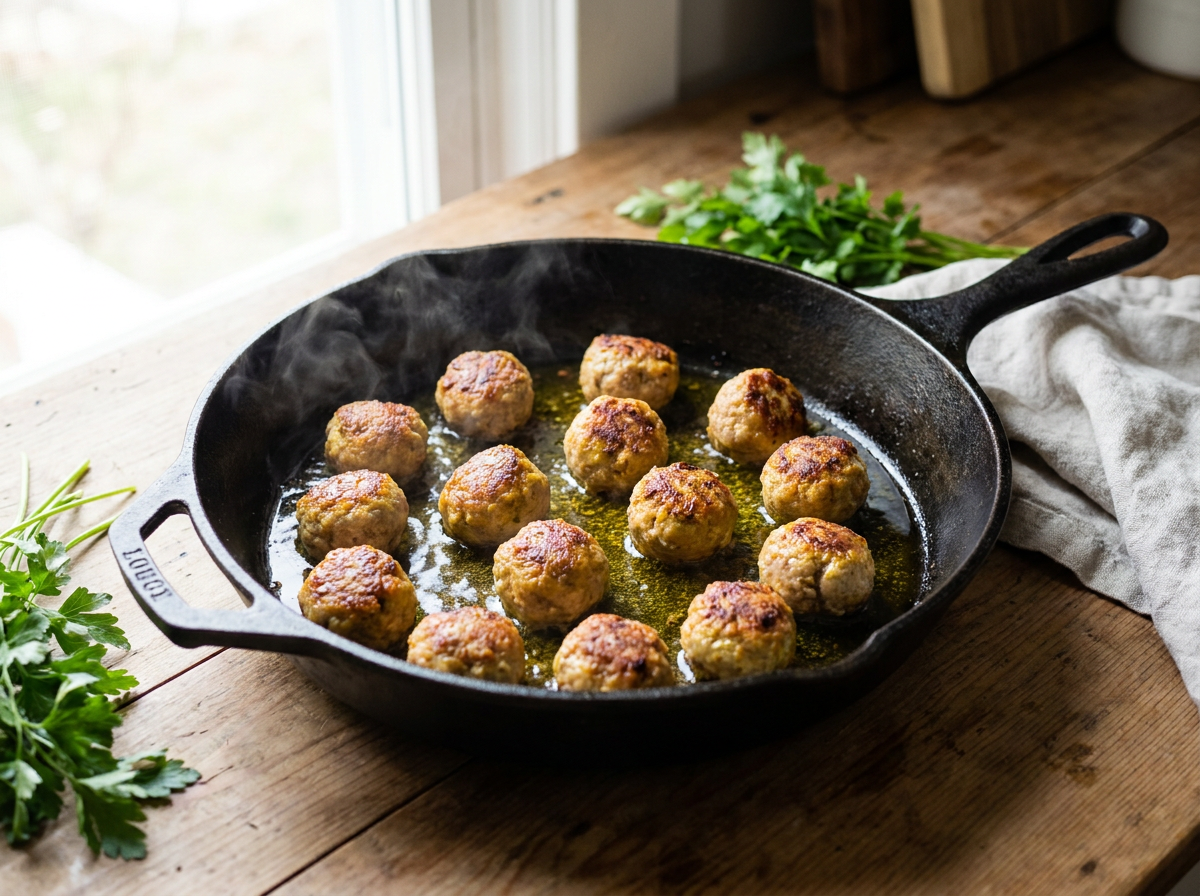
Use a deep skillet and add quality sunflower oil to a layer of about 1.5 cm. Heat the oil over medium heat (around 170-180 degrees Celsius).
Place the meatballs without crowding the pan and fry them for 3-4 minutes on each side until golden brown. Remove them immediately onto a plate lined with paper towels.
Clean oven baking
Place the meatballs on a large baking sheet lined with parchment paper. Lightly spray them with an olive oil or sunflower oil spray. Preheat the oven to 190 degrees Celsius (fan-assisted) and bake them for 20-22 minutes.
For even browning on both sides, you can turn them over once halfway through the baking time. You will get fluffy and extremely tender meatballs.
 50 min
 Under an hour