
Fluffy chocolate and fruit muffins: Simple step-by-step recipe
The warm aroma of vanilla, browned butter, and melted chocolate filling the whole house is one of the purest joys of weekend mornings. Nothing brings the family together around the table faster than a tray full of steaming, perfectly golden muffins, with a tall dome and a crumb so fluffy it pulls apart in delicate strands.
Although they seem like the simplest dessert in the world, muffins hide little secrets of culinary chemistry. We have all experienced the disappointment of muffins that sank in the middle, turned out rock-hard, or had the fruit sink and burn at the bottom of the tin. With the right techniques and carefully selected ingredients, every batch you put into the oven will look and taste just like one from the window of an artisanal Parisian bakery.

The mystery of an airy texture: The golden rule of two bowls
Authentic muffins are never made the same way as a classic loaf cake or a fluffy sponge cake beaten vigorously with a mixer. In the world of baking, there is a fundamental technique without which you cannot achieve an airy crumb: the two-bowl method.
The secret lies in strictly separating the dry ingredients from the wet ones until the very last second. In the first bowl, sift high-grade white flour together with baking powder, a pinch of baking soda, fine salt, and sugar. Sifting is not a decorative whim, but an essential mechanical step that breaks up clumped particles and introduces air between the grains.
In the second bowl, emulsify the wet ingredients: lightly beaten eggs, lukewarm milk, melted butter, and aromatic vanilla extract. The liquids must be homogeneous before touching the flour.
The big mistake many home bakers make is overworking the batter with a whisk or mixer. The moment the liquid meets the flour, gluten begins to develop. If you stir more than 10 or 12 broad spatula strokes, the batter becomes elastic and gummy, just like bread dough. Your muffins will end up with a tough texture and unsightly tunnels inside.
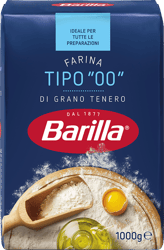
You need clean flour and reliable leavening agents, so choose baking ingredients from Sezamo for an impeccable result with every batch.


 Baneasa 000 Superior Flour

The alchemy of ingredients: Why every degree and fat percentage matters
Baking is a science of thermal balance. One of the most common mistakes is using ingredients straight from the fridge, a habit that compromises the batter's emulsion right from the first minute.
If you pour warm melted butter over cold milk or eggs fresh out of the fridge, the fat in the butter will instantly solidify into microscopic specks. Instead of a velvety emulsion that incorporates air, you will get a curdled, unhomogenized liquid. Eggs and dairy products should sit on the kitchen counter for at least an hour before preparation, reaching a pleasant room temperature of 20 degrees.
Another great culinary dilemma is choosing between butter and oil. Butter brings that legendary French pastry aroma, a rich flavor that coats the taste buds. On the other hand, vegetable oil provides consistent moisture and keeps muffins tender for several days in a row. Our family recipe uses the ideal compromise formula: 80 grams of 82% high-fat butter for pure taste, complemented by a few tablespoons of creamy yogurt or buttermilk. The acidity of dairy tenderizes the batter and wonderfully activates the baking soda.
When you want an authentic flavor, rely on top quality butter with at least 82% fat. With the Sezamo Xtra subscription, you enjoy special prices on Miil German butter and our range of fresh dairy.
Room temperature eggs
Yolks provide natural lecithin that stabilizes the batter, while whites offer elastic proteins that support the muffin's dome during oven rising.
Genuine 82% fat butter
The low water content in high-fat butter prevents excessive gluten formation and gives every bite that fine texture that simply melts on your tongue.
Plain yogurt or buttermilk
Lactic acid weakens the tough protein bonds in flour and reacts vigorously with baking soda, creating thousands of tiny, fine bubbles in the muffin's crumb.




Juicy Fruit and Fine Chocolate: The Protective Flour Trick
Have you ever taken a muffin out of the oven that looked gorgeous on the outside, but when you cut into it, you noticed that all the chocolate chunks and blueberries had sunk to the bottom of the tin, forming a burnt, sticky layer? Here is how to solve this problem once and for all.

Fresh fruit and large chocolate chunks have a much higher specific weight than the airy consistency of raw batter. During the first few minutes of baking, the batter partially liquefies before the eggs and flour set, allowing heavy mix-ins to quickly sink due to gravity.
The trick is surprisingly simple: place the blueberries, raspberries, or chocolate chunks into a separate bowl and sprinkle a tablespoon of white flour over them. Gently toss the bowl until every piece is coated in a thin, white film. The starch on the surface acts as an anchor that instantly clings to the moist batter, keeping the fruit evenly suspended from the bottom to the very top of the muffin dome.
For an intense chocolate flavor, choose baking chocolate and cocoa, and for freshness look for fresh berries picked at peak ripeness.
Frozen fruit? Never thawed!
If you are using frozen fruit, add it to the batter straight from the freezer. Fruit left to thaw releases a lot of syrup that thins out the batter and stains it a grayish hue. Frozen berries keep their round shape and burst with juiciness only while baking.
Bake-stable chocolate drops vs. chopped chocolate
Special bake-stable chocolate drops hold their shape at high temperatures, giving a professional look. However, a quality dark chocolate bar roughly chopped with a knife creates small, irregular, creamy pockets of melted chocolate that turn the dessert into a decadent experience.



Thermal shock: The professional technique for a tall bakery dome
Why do bakery muffins look like proud, tall little mushrooms, while homemade ones often turn out flat or slightly sunken? The difference is not down to luck, but to how you manage the oven temperature during the first five minutes.
Most recipes tell you to bake muffins at 175 or 180 degrees from start to finish. At this moderate heat, the batter warms up slowly and evenly. The fats melt, the batter spreads out horizontally, and the leavening agents lose their strength before the outer edge of the muffin sets firmly.
Professional pastry chefs use the thermal shock trick: the oven is preheated to 210 degrees. When the tray enters the intense heat, the moisture in the batter suddenly turns into steam under pressure, and the baking powder creates a rapid burst of bubbles. The edges in the tin bake quickly and set, forcing the soft batter in the centre to rise steeply upward, creating that spectacular dome.
After just 5 minutes at 210 degrees, without opening the oven door for a single second, reduce the temperature to 180 degrees for the remaining 15 minutes, allowing the centre to bake gently without burning the top crust. For a dependable structure, always use finely ground superior 000 white flour.

Filling the cups generously
Do not fill the muffin cups only halfway. For high domes, pour the batter up to three-quarters of the paper liner or even slightly above. Set aside a few berries and chocolate chips to place them by hand on top right before baking.
Initial thermal shock (5 minutes at 210°C)
Place the tray on the middle rack of the thoroughly preheated oven. During these crucial 5 minutes, the massive volume expansion that defines the final shape occurs.
Stabilising the crumb (15 minutes at 180°C)
Lower the heat without touching the oven door. The moderate heat will set the egg proteins and flour starches, turning the expanded batter into a fluffy, stable crumb.



Storage and freshness: Delicious muffins even after three days
A fresh batch of muffins often disappears in a single afternoon. But if you want breakfast ready for busy school and office days, the way you cool and store them makes all the difference between a moist crumb and a dry or soggy one.
The 5-minute tin rule
When you take the tin out of the oven, let it sit on the counter for exactly 5 minutes. The warm structure is fragile, and trying to move them right away can deform them. However, do not leave them in the hot metal for more than 5 minutes: trapped steam will condense at the base of the cups, making the bottoms of the muffins damp and unappealing. Transfer them to a wire rack where air can circulate freely all around.
The paper towel trick
After cooling completely, store the muffins in an airtight container. The secret is to place a layer of paper towels at the bottom of the container and another paper towel on top of the muffins, right under the lid. The paper will absorb naturally released moisture without letting the tops turn soggy, keeping their tender texture for up to 4 days at room temperature.
If you want to keep them long-term, muffins freeze exceptionally well. Place them on a tray in the freezer for two hours until firm, then transfer them to a zip-lock bag, where they will keep impeccably for up to 3 months. Before breakfast, warm a muffin for 20 seconds in the microwave or 5 minutes in an oven preheated to 160 degrees. The crumb will instantly regain its fresh aroma and texture just like on day one.
And if you want to experiment with new healthy combinations or classic varieties, explore our delicious recipes on Sezamo Chef, such as rice and banana muffins, perfect for the little ones, or the famous homemade French brioche with its fluffy, butter-rich texture.