
Only a few items left
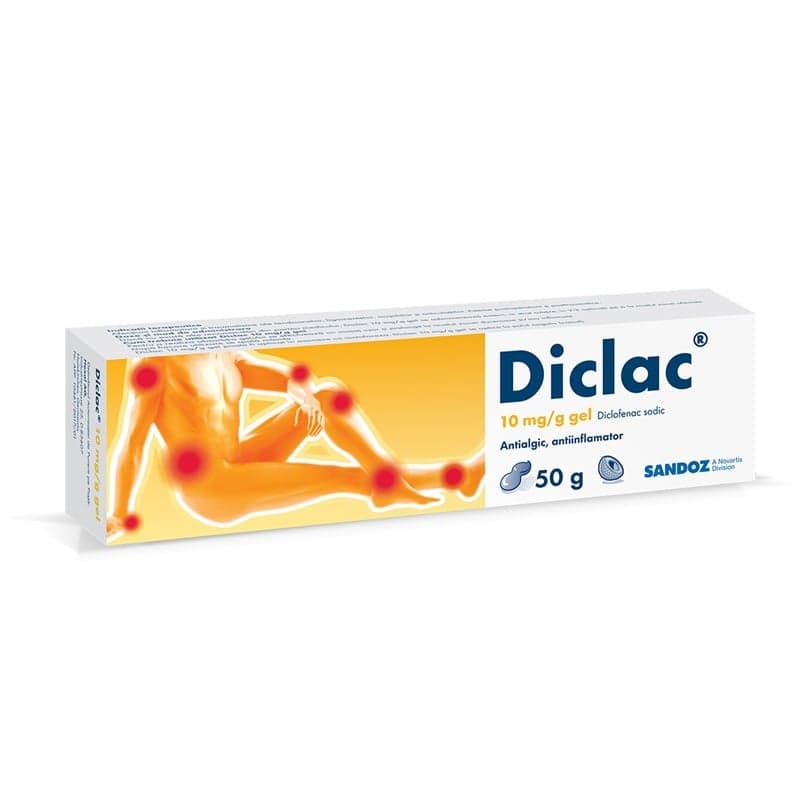
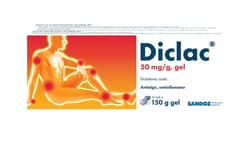
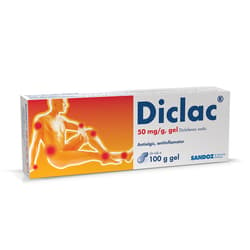
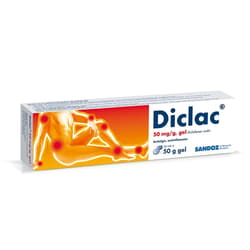
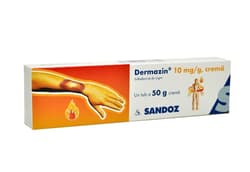
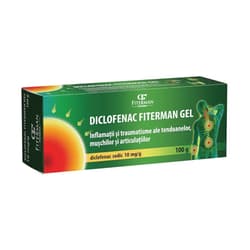
Diclac 1% gel by Sandoz, 1 buc, features the active substance diclofenac sodium at 10 mg/g, designed for local cutaneous application. Apply externally in a thin layer 2 to 3 times per day with a gentle, prolonged massage on the affected area. The formula is not intended for children, and hands should always be washed after each use.






Description

Composition. The active substance is diclofenac sodium. One gram of gel contains 10 mg of diclofenac sodium. The other ingredients are: RRR ? tocopherol, carbomer 980, decyl oleate, 2 octyldodecanol, lecithin, 10% ammonia solution, disodium edetate, "Vert de Creme" perfume, isopropanol, purified water.
Therapeutic indications.
Diclac 10 mg /g gel is indicated for:
- Inflammatory conditions and trauma of tendons, ligaments, muscles and joints.
- Postoperative and post-traumatic edema.
Dosage and method of administration.
Unless otherwise recommended by your doctor, Diclac is administered externally, in a thin layer, in 2-3 applications per day, to the affected area. To achieve absorption of the gel, a light and prolonged massage is performed on the painful and/or inflamed area. Wash your hands after each use.
Diclac 10mg/g gel can be applied in combination with iontophoresis. Diclac 10 mg/g gel is applied to the negative pole (cathode).
Precautions.
Before using Diclac 10 mg/g gel, talk to your doctor or pharmacist. The product should only be applied to intact, healthy skin, without wounds or open lesions. It should not come into contact with the eyes or mucous membranes and should not be ingested.
The appearance of a rash after applying Diclac requires immediate discontinuation of treatment.
Caution is required in patients with atopic terrain (bronchial asthma, hay fever, allergic rhinitis, history of hypersensitivity to other medicinal products, etc.). In case of prolonged use, it is recommended that gloves be worn by the persons applying the gel.
Special warnings.
Pregnancy and breastfeeding
Ask your doctor or pharmacist for advice before taking any medicine. The use of diclofenac in pregnant women has not been studied; therefore, topical forms with diclofenac should not be used during pregnancy. Diclofenac is contraindicated during the third trimester of pregnancy, due to the possibility of uterine inertia and/or premature closure of the ductus arteriosus. It is not known whether diclofenac applied to the skin is excreted in breast milk; therefore, diclofenac is not recommended during breastfeeding. If there are compelling reasons for using diclofenac, it should not be applied to the breasts, or on large areas of skin, nor should it be used for a long period of time.
Driving and using machines
Diclac does not affect the ability to drive and use machines.
Packaging. Available in a box with an Al tube containing 50 g of gel
Page updated on: 08.06.2021
Composition & Allergens
Composition
: Diclofenac sodic