
Only a few items left
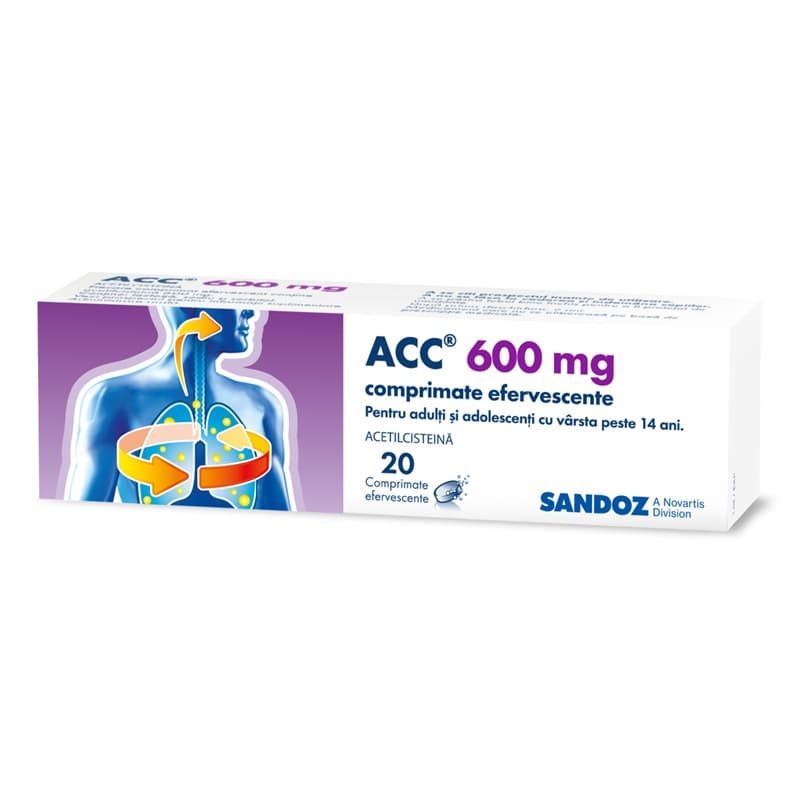
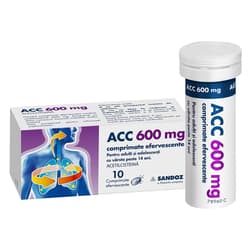
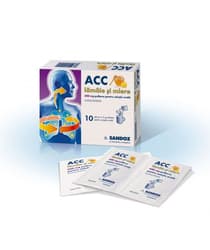
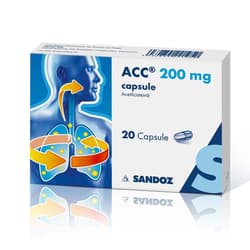
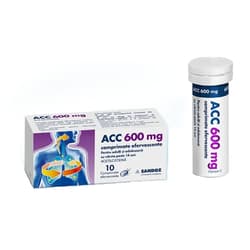
ACC 600 mg effervescent tablets by Sandoz help thin mucus and ease coughing and expectoration during cold-induced bronchitis. Suitable for adults and teenagers over 14 years old, each tablet delivers 600 mg of acetylcysteine. Simply dissolve in a glass of water and take after meals. The package contains 20 effervescent tablets for convenient daily use.


Description

Composition. The active substance is acetylcysteine.
Therapeutic indications. ACC thins viscous mucus in respiratory tract conditions: laryngitis, acute and chronic sinusitis, otitis media. ACC facilitates coughing and expectoration of secretions in acute and chronic respiratory conditions accompanied by disorders in mucus formation and transport: acute bronchitis, asthmatic bronchitis, in exacerbations of chronic broncho-pneumopathy, bronchiectasis, mucoviscidosis, bronchial asthma.
Contraindications. Caution is recommended if acetylcysteine is used in bronchial asthma or in patients with a history of ulcers.
Dosage and administration.
Children under 2 years of age: 100-150 mg acetylcysteine/day.
Children aged between 2 and 6 years: 200-300 mg acetylcysteine/day
Children aged between 6 and 14 years: 400 mg acetylcysteine/day
Adults and adolescents over 14 years of age: 400-600 mg acetylcysteine/day
ACC is administered after meals.
Special warnings.
Pregnancy, breastfeeding and fertility. If you are pregnant or breastfeeding, think you may be pregnant or are planning to have a baby, ask your doctor or pharmacist for advice before taking this medicine.
Pregnancy. Insufficient data are available regarding the use of acetylcysteine in pregnant women. Experimental animal studies do not suggest direct or indirect harmful effects on pregnancy, embryonic/fetal development, birth or postnatal development. Acetylcysteine should be used during pregnancy only after a strict benefit-risk assessment.
Breastfeeding. No information is available regarding excretion into breast milk. Acetylcysteine should be used during breastfeeding only after a strict benefit-risk assessment. Driving and operating machinery. No effects on the ability to drive or operate machinery are known.