Traditional beef goulash step by step
Nothing brings more comfort on a chilly day than the rich aroma of an authentic pot of goulash, where tender pieces of meat melt into a velvety sauce of caramelized onions and noble sweet paprika.
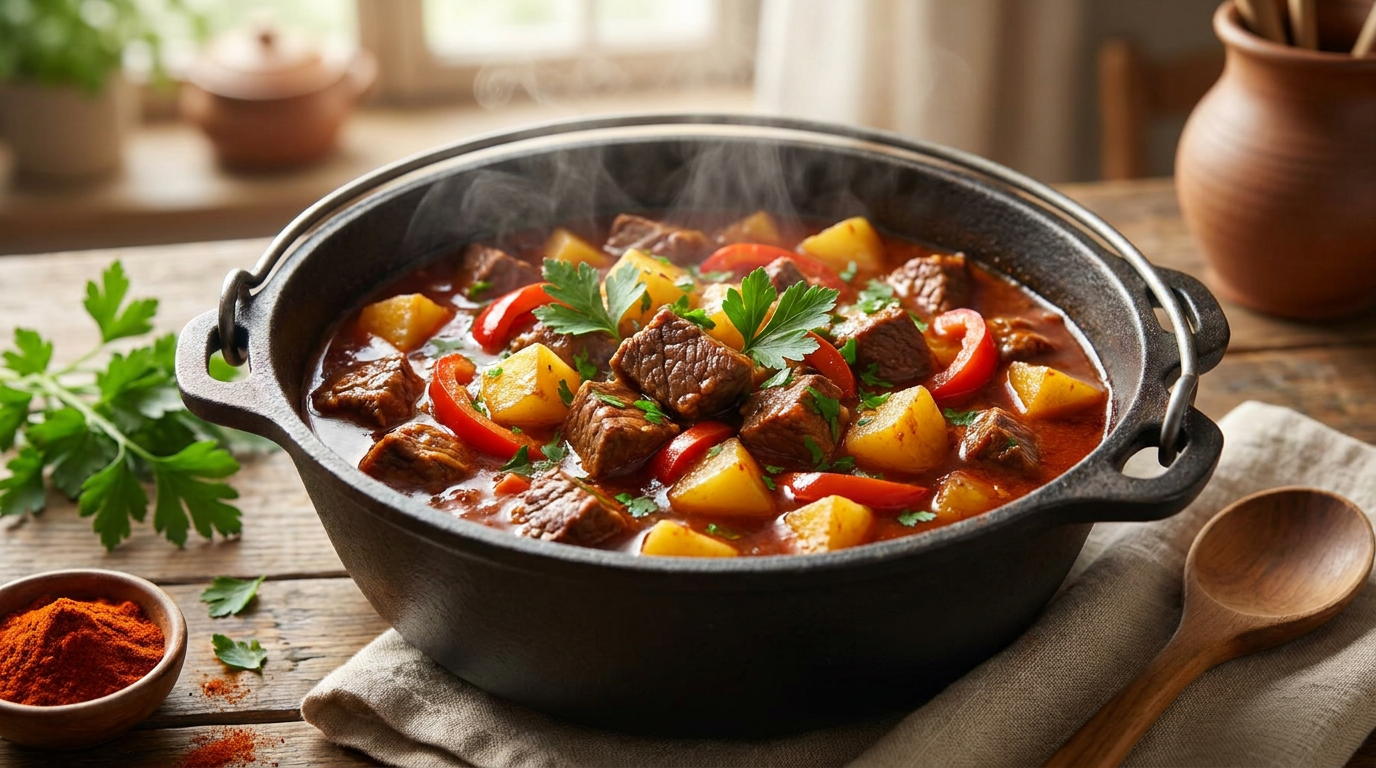
Originating from the Hungarian steppes, where herdsmen (gulyás) cooked juicy pieces of meat in heavy cast-iron cauldrons over a wood fire, goulash has conquered all of Central Europe and our family kitchens. Although many confuse it with a simple quick stew or a thin soup, true beef goulash is a work of culinary patience: a simple alchemy between collagen-rich meat, generous amounts of slowly sautéed onions, and the unmistakable aroma of caraway and sweet paprika. Discover in this complete guide all the necessary steps to achieve that legendary texture at home, a thick sauce without a speck of flour, and pieces of beef that pull apart tenderly at the touch of a fork.
The foundation of authentic flavor: which meat to choose for a tender texture
The most common mistake when making goulash is choosing tenderloin or completely lean round cuts. Although these cuts are excellent for quick pan frying, during two or three hours of slow simmering they lose all their juices and become tough and stringy. Goulash requires cuts with marbling, fine tendons, and collagen, which at low temperatures gradually turn into rich gelatin, giving the sauce natural thickness and the meat a succulent texture.
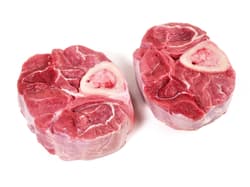
- Sliced beef or veal shank on the bone: A royal choice, as the bone marrow slowly dissolves into the sauce and deepens the dish's flavor.
- Young beef shoulder and leg: Offers a perfect balance between meaty fibers and soft tissue, remaining compact without falling apart when stirred.
- Black Angus beef neck and chuck: Thanks to the pronounced intramuscular fat marbling, the meat gains an incredible tenderness after two hours of simmering over low heat.
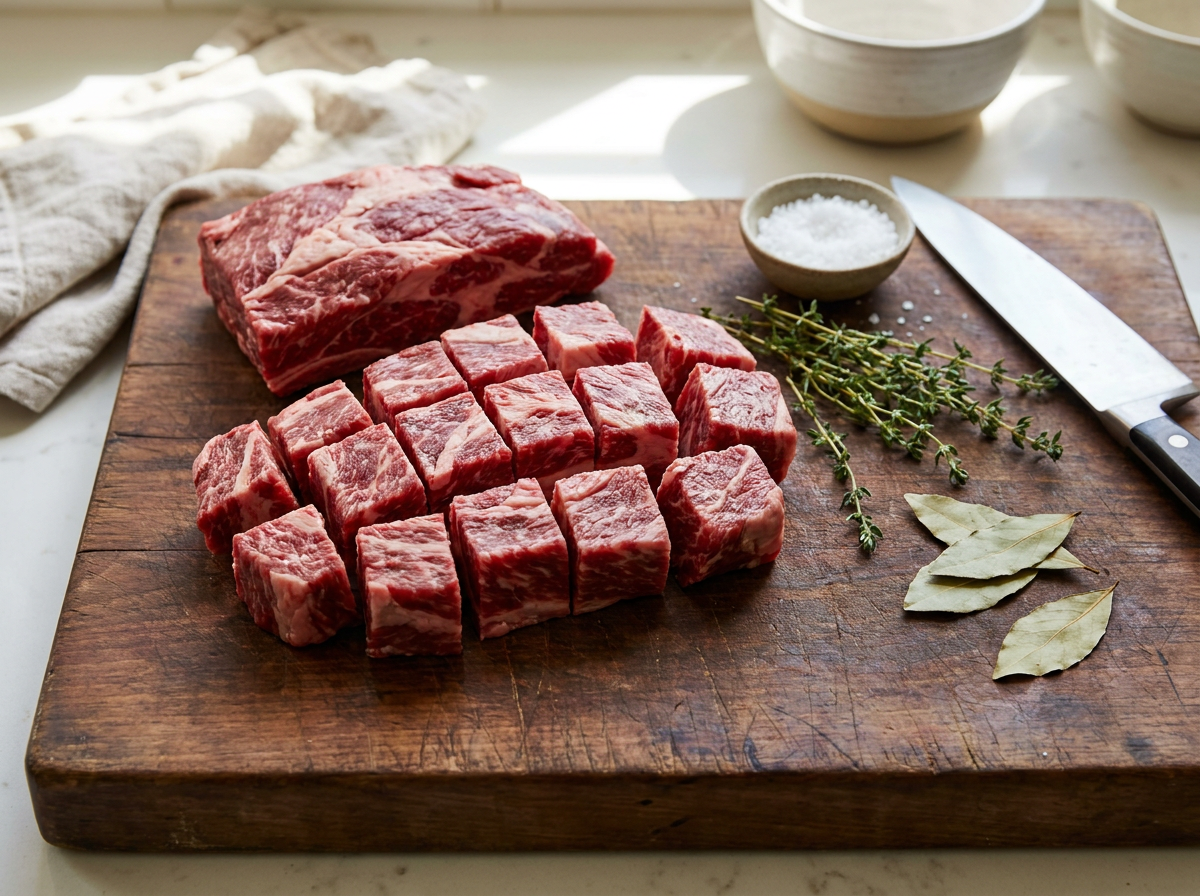
Cut the meat into generous, uniform cubes, about 3 or 4 centimeters in size. Cubes that are too small will break apart excessively during long simmering, while larger pieces keep their interior juiciness intact. You can explore the fresh selection of beef and young beef ready-portioned for your favorite recipes.
The magic of onions and fat: a natural emulsion without a drop of flour
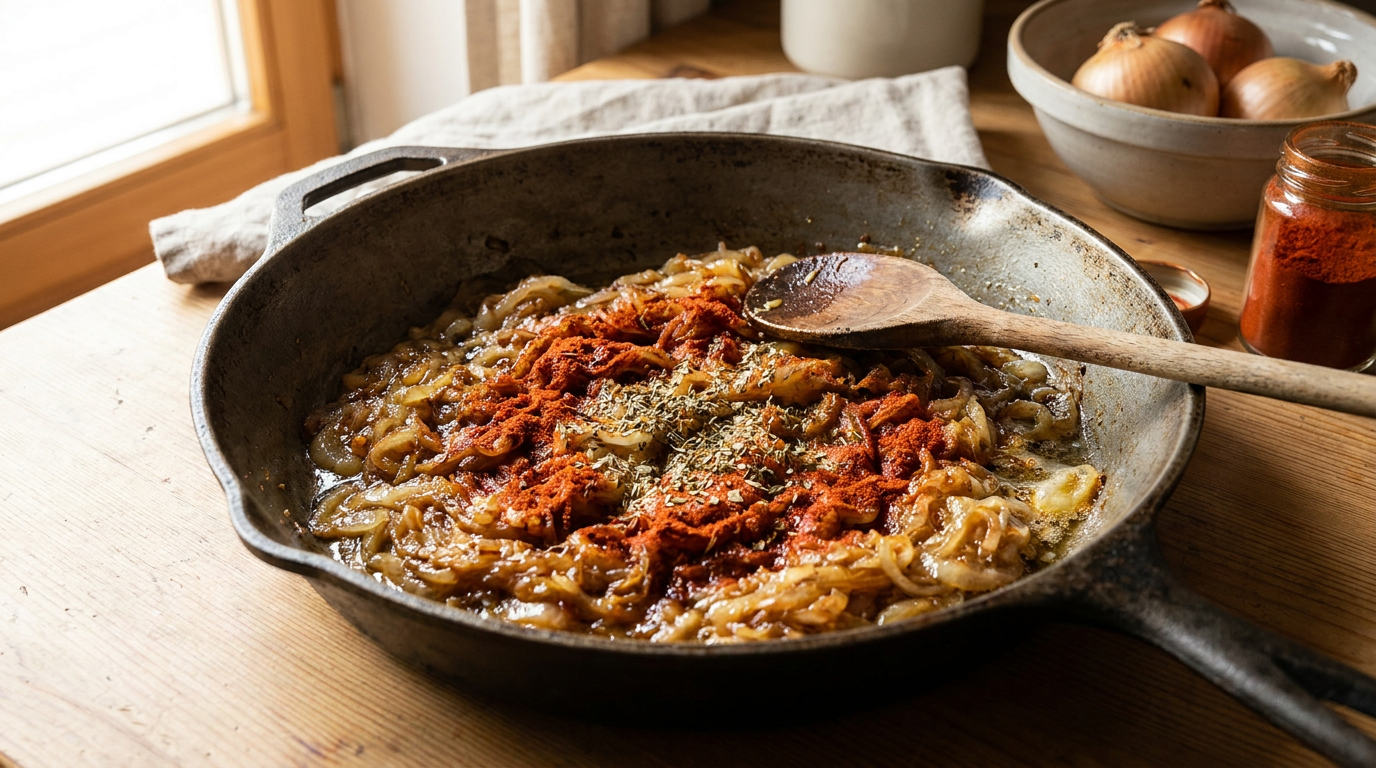
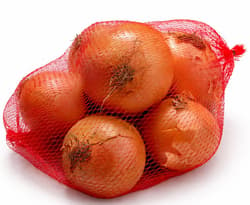
The golden rule of the Hungarian master chef is a 1:1 ratio between the weight of trimmed meat and the weight of finely chopped yellow onions. For one kilogram of beef, you will use between 800 grams and one kilogram of fresh onions from the fresh vegetables category. Although the amount of onions initially seems overwhelming in the pot, during cooking the water evaporates, and the natural sugars in the onions break down and melt completely, creating a rich emulsion.
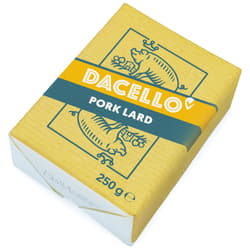
Tradition calls for using two or three generous tablespoons of pure pork lard, such as Dacello lard, instead of refined sunflower oil. Lard has a high smoke point and gives that incomparable rustic depth. Sauté the onions over very low heat with a generous pinch of coarse salt for 20 to 25 minutes. Do not rush the process: the onions should not fry until brown or crispy, but should become translucent, glassy, and golden, like a fine jam.

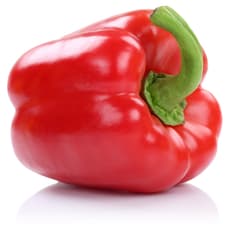
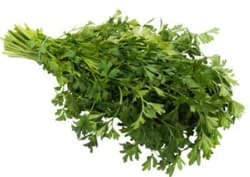
 Bioferma Niculesti ECO Patrunjel
Paprika and spices: when to add them to avoid a bitter taste
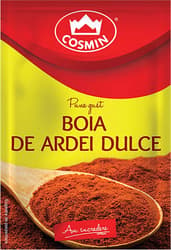
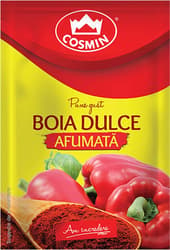
When the onions have softened completely and taken on a warm golden hue, turn off the heat or set the pot aside off the stove for two minutes. The natural sugars in the paprika powder burn instantly if they come into contact with fat heated above 120 degrees Celsius, turning the vibrant red sauce into a dark and bitter mixture. Add two or three generous tablespoons of quality sweet paprika from our selection of aromatic spices over the lukewarm onions, stir vigorously for 30 seconds so that the fat-soluble pigments color the lard, then immediately add the beef pieces and 50 milliliters of warm water to stop the paprika from cooking further.
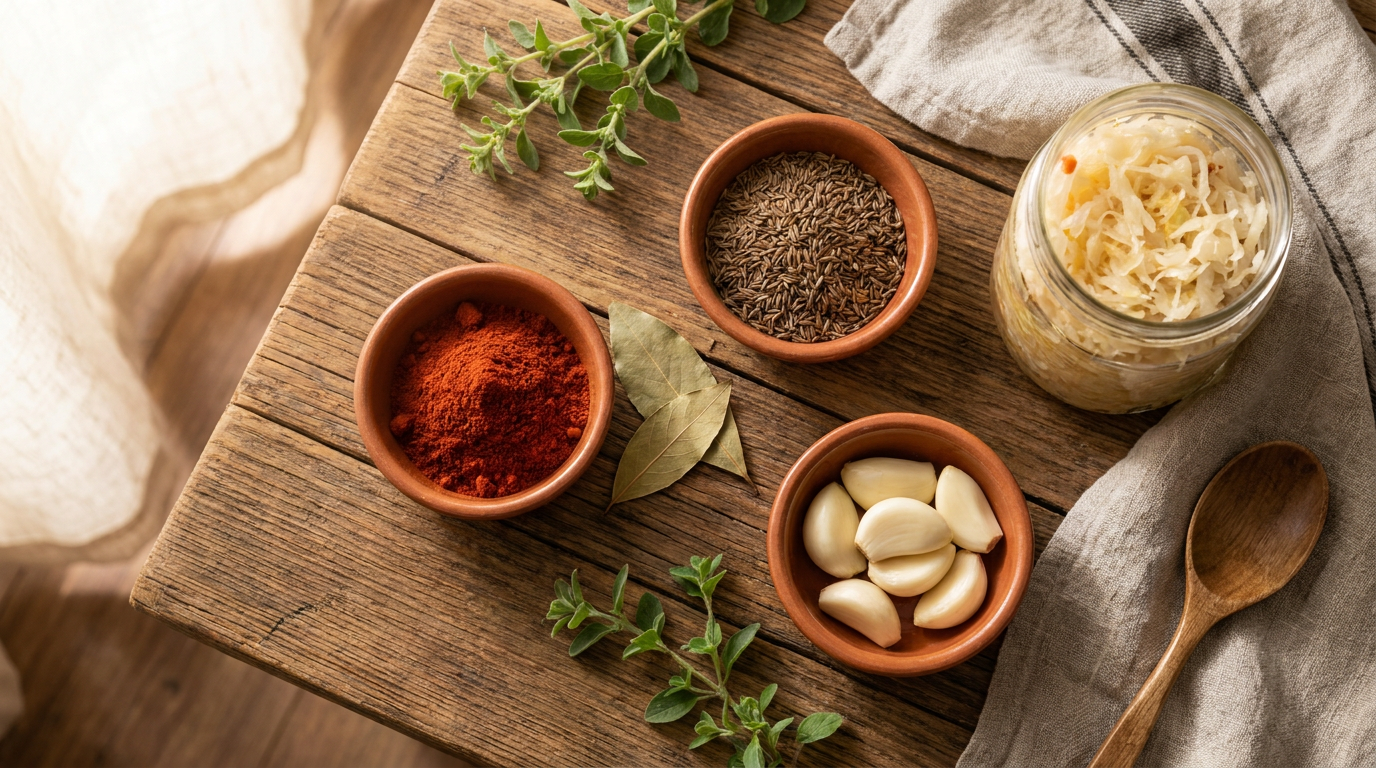
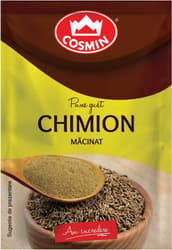
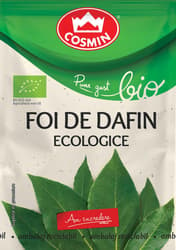
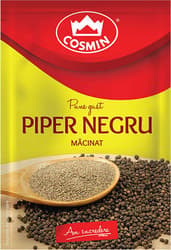
Alongside sweet paprika, traditional cuisine relies on a small constellation of authentic flavors that complement the beef without overpowering its clean taste:
Slow cooking in a cauldron or pot: step by step to perfection
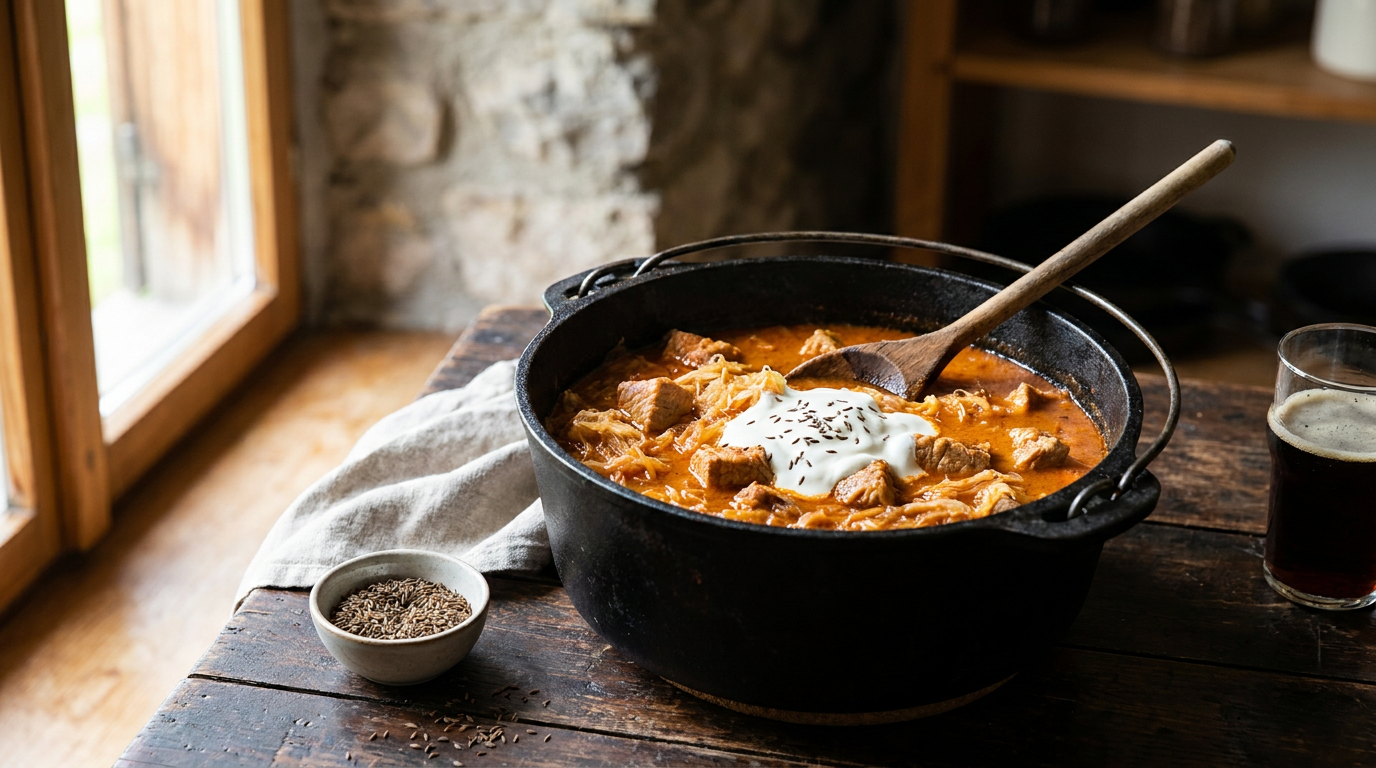
Csipetke: the secret of pinched dumplings and related recipes
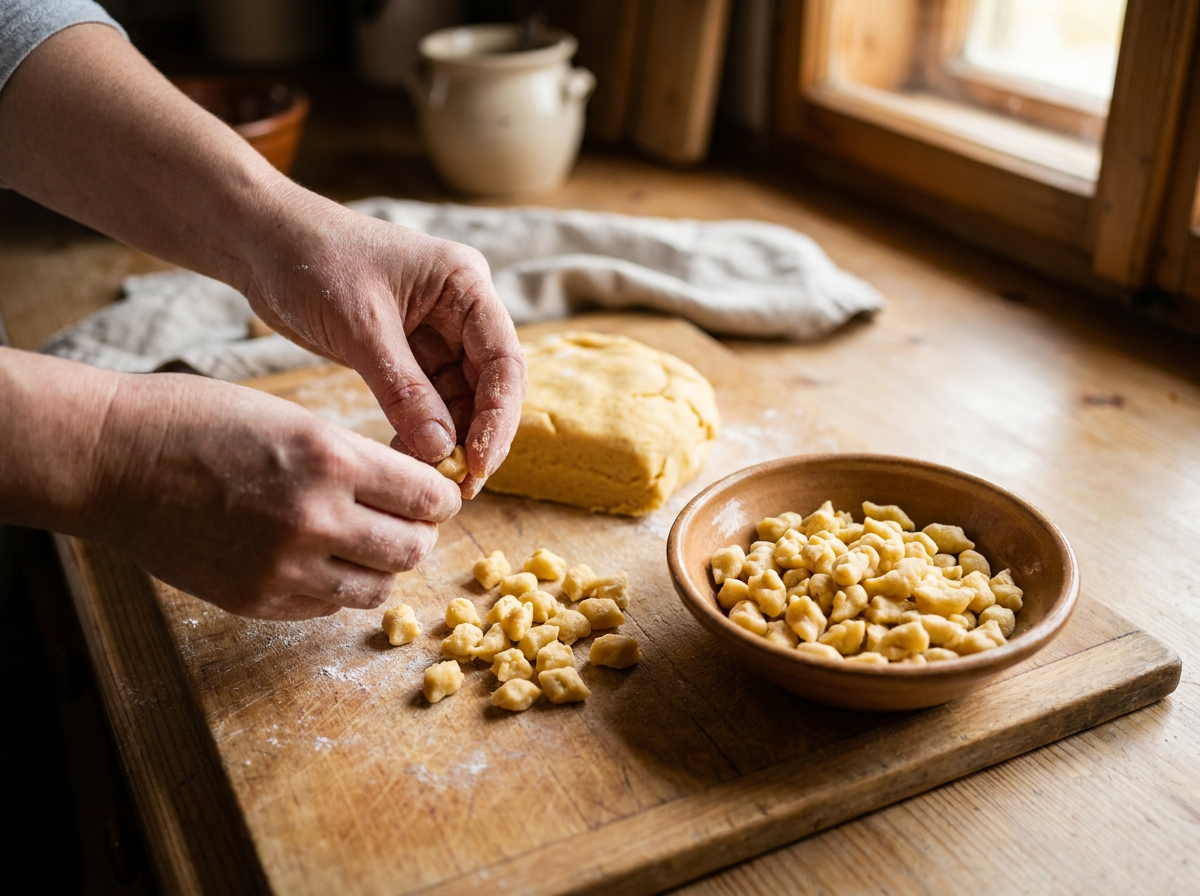
The name csipetke comes from the Hungarian verb csipkedni, which means to pinch. Unlike fluffy semolina dumplings or nokedli (which are pressed through a sieve), csipetke are small, dense, and elastic fresh pasta pieces made using only a fresh egg, a pinch of salt, and about 80-100 grams of fine white flour, without adding a single drop of water.
How to prepare csipetke in 3 simple steps:
1. Beat the egg with salt and incorporate the flour until you get a stiff, non-sticky, dense dough.
2. Flour your palms and tear off small pieces of dough about the size of a fingernail, flattening them slightly between your thumb and index finger.
3. Drop the dumplings directly into the gently simmering goulash during the last 5-7 minutes of cooking. When they float to the surface, they are fully cooked through and firm to the bite.
If you want to explore other savory takes on stews with juicy meat, you can check out the detailed recipe for traditional Hungarian beef goulash from our Chef catalog or classic beef dishes with aromatic sauce.