
Totul despre brânza Halloumi: Cum se prepară și cum se servește
Brânza Halloumi este vedeta incontestabilă a grătarelor de vară și a salatelor mediteraneene. Cu o istorie milenară din însorita insulă Cipru, acest sortiment unic îmbină crusta aurie și crocantă cu un miez fraged și elastic. Descoperă în acest ghid complet cum se obține textura sa inconfundabilă, trucurile pentru rumenire perfectă în tigaie sau pe grătar și combinațiile gastronomice care îți vor transforma mesele calde de vară.
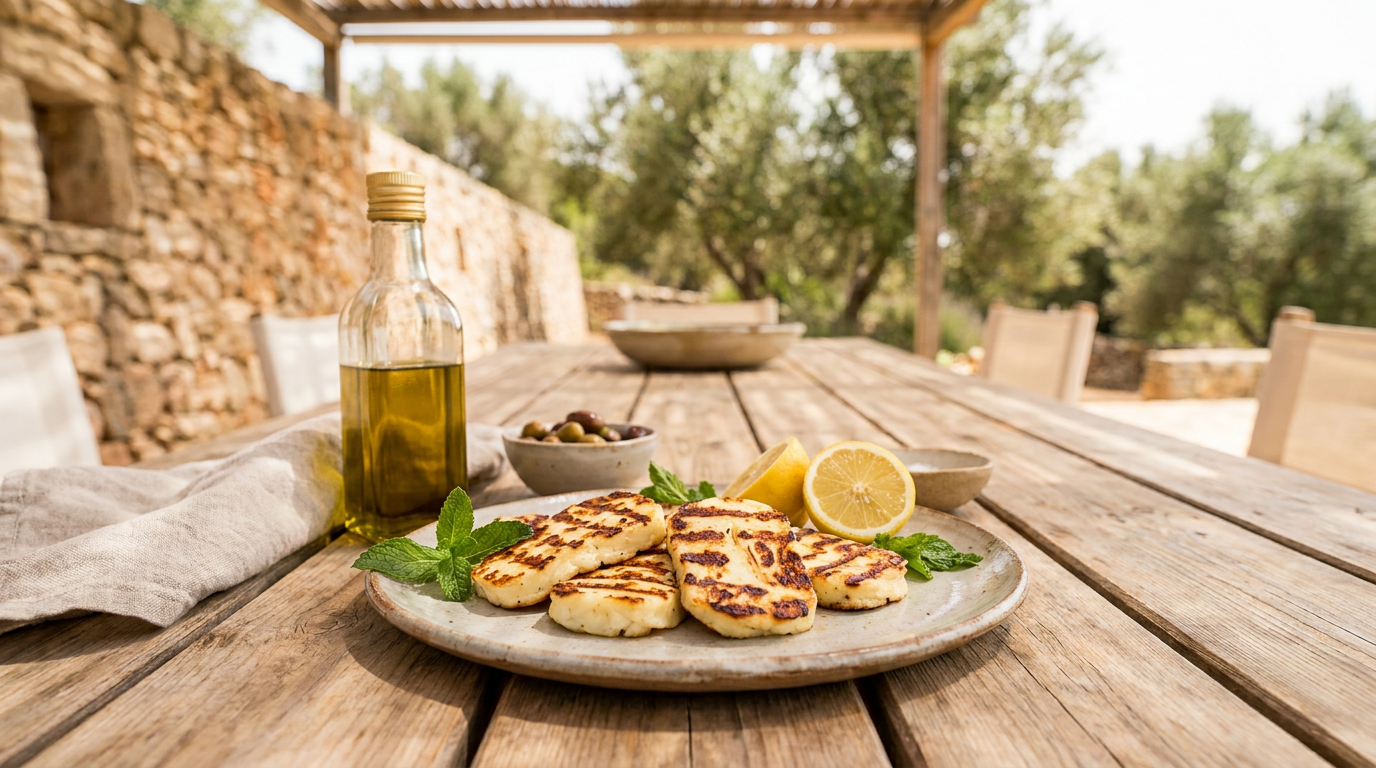
Tradiție cipriotă: Originea și secretele brânzei Halloumi
Originară din însorita insulă Cipru, unde rețeta sa este protejată strict prin statut european Denumire de Origine Protejată (DOP), brânza Halloumi reprezintă o capodoperă a tradiției gastronomice mediteraneene. Gustul său ușor sărat și aroma discretă de mentă proaspătă nu sunt întâmplătoare, ci rezultatul secolelor de măiestrie culinară transmise din generație în generație. Înțelegerea originii sale îți oferă cheia pentru a o pune cu adevărat în valoare în farfurie.
Documentele istorice atestă producerea brânzei Halloumi încă din perioada bizantină (secolul al XIV-lea), când păstorii din satele muntoase ale masivului Troodos procesau laptele colectat de la turmele locale. Datorită climei calde din regiune, conservarea lactatelor reprezenta o provocare majoră. Soluția ingenioasă a meșteșugarilor ciprioți a fost crearea unei brânzeturi semitari, fiartă în propriul zer și păstrată în saramură concentrată.
Laptele de oaie și capră
De sute de ani, combinația tradițională de lapte nepasteurizat de oaie și capră a oferit brânzei Halloumi o concentrație ridicată de grăsimi nobile și proteine rezistente. Oile și caprele cipriote care pasc pe pășunile Mării Mediterane oferă o notă ușor ierboasă. Astăzi, variantele moderne includ și lapte de vacă pentru o textură mai fină, însă rețeta autentică își păstrează caracterul rustic inconfundabil.
Aroma secretă de mentă
Înainte de ambalare, bucățile de caș presat sunt pliate tradițional peste frunze de mentă uscată (Mentha spicata). Istoric, menta avea proprietăți antiseptice naturale ce prelungeau conservarea în saramură. Astăzi, menta împrumută brânzei o notă răcoritoare și vegetală ce balansează perfect bogăția grăsimilor atunci când felia este prăjită pe grătar.
În bucătăria cipriotă cotidiană, Halloumi este un aliment de bază prezent la orice masă: dimineața se consumă adesea alături de felii de pepene roșu zemos și mătase de mentă, la prânz este învăluită în lipie grecească caldă cu legume proaspete, iar la cinele festive este rumenită pe cărbuni încinși la grătar. Este o brânză extrem de adaptabilă, menită să aducă spiritul mediteranean direct în bucătăria ta.
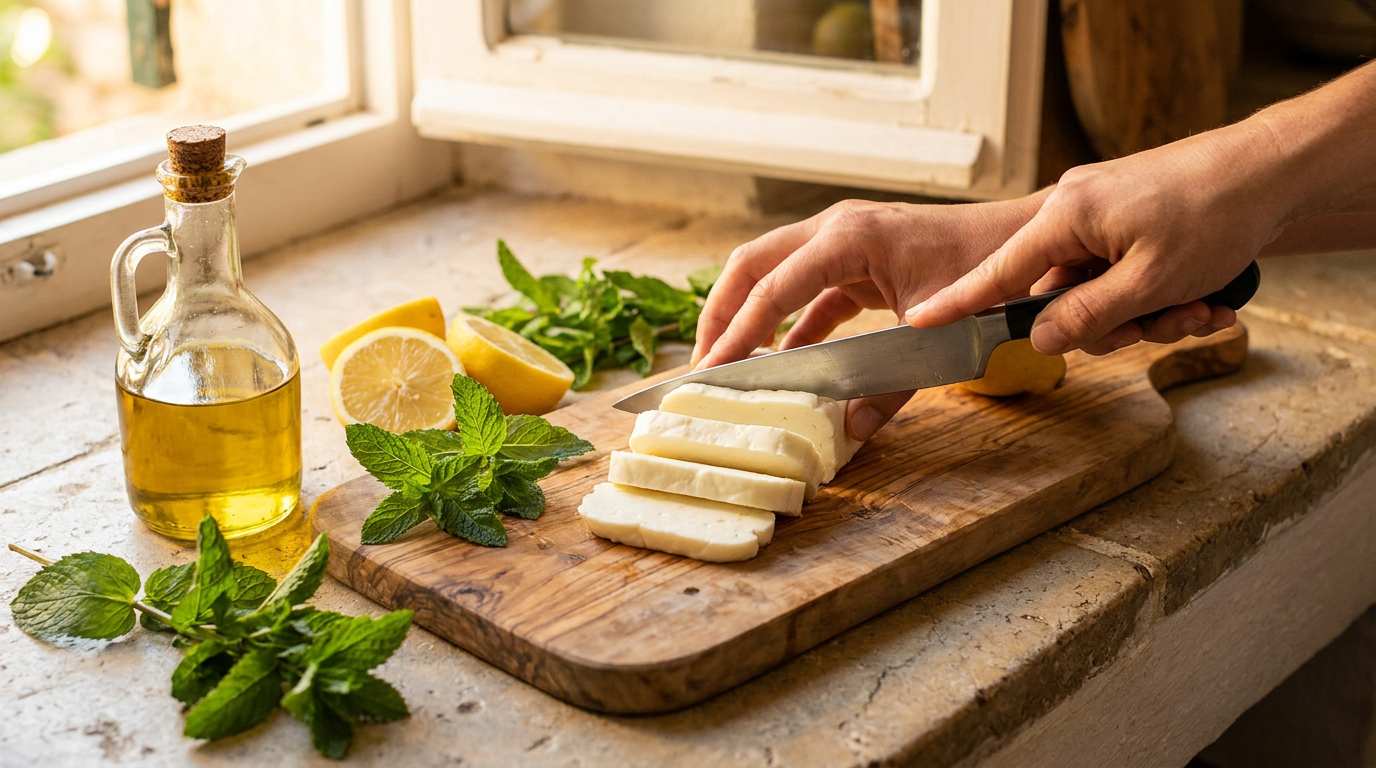
Fără topire, doar crustă aurie: De ce rezistă Halloumi la temperaturi înalte?
Ai încercat vreodată să pui o felie de Mozzarella sau Gouda pe grătarul încins? Rezultatul este o baltă lichidă de brânză topită și arsă. Halloumi în schimb sfidează legile obișnuite ale brânzeturilor, menținându-și forma intactă, eliberând aburi apetisanți și formând o crustă rumenă senzațională. Secretul constă într-o etapă chimică fascinantă din procesul de producție.
În timpul preparării tradiționale, după ce laptele este închegat și tăiat în bucăți, cașul obținut este extras și opărit în zer fierbinte la temperaturi de peste 85°C-90°C timp de cel puțin 30-45 de minute, înainte de a fi presat și maturat în saramură. Această etapă de opărire termică la temperaturi înalte deactivează enzimele responsabile pentru topirea și separarea rețelei de cazeină.
Proteinele din brânză formează o rețea moleculară extrem de densă și stabilă, care reține apa și globulele de grăsime în interiorul feliei. Atunci când așezi felia de Halloumi pe tigaia încinsă sau pe grătarul cu cărbuni, căldura directă provoacă reacția Maillard la suprafață, caramelizând zaharurile și proteinele exterioare pentru a crea o crustă crocantă, în timp ce interiorul devine moale, cald și cremos fără a curge.
Misterul sunetului scârțâitor la mușcătură
Când muști dintr-o felie caldă de Halloumi proaspăt gătită, vei simți o textură fermă, suculentă și ușor elastică, însoțită de un sunet discret de scârțâit între dinți. Această elasticitate este semnul distinctiv al proteinelor opărite și al rețelei proteice intacte, fiind garanția absolută a unei brânzeturi autentice de calitate superioară.
Spre deosebire de brânza Feta tradițională P.D.O. care se fărâmițează la căldură sau de Cheddar care devine uleios, Halloumi se comportă ca o friptură vegetariană pe grătar. Descoperă selecția noastră completă de brânzeturi proaspete și maturate și explorează selecția din categoria brânzeturi internaționale disponibile pe sezamo.ro.
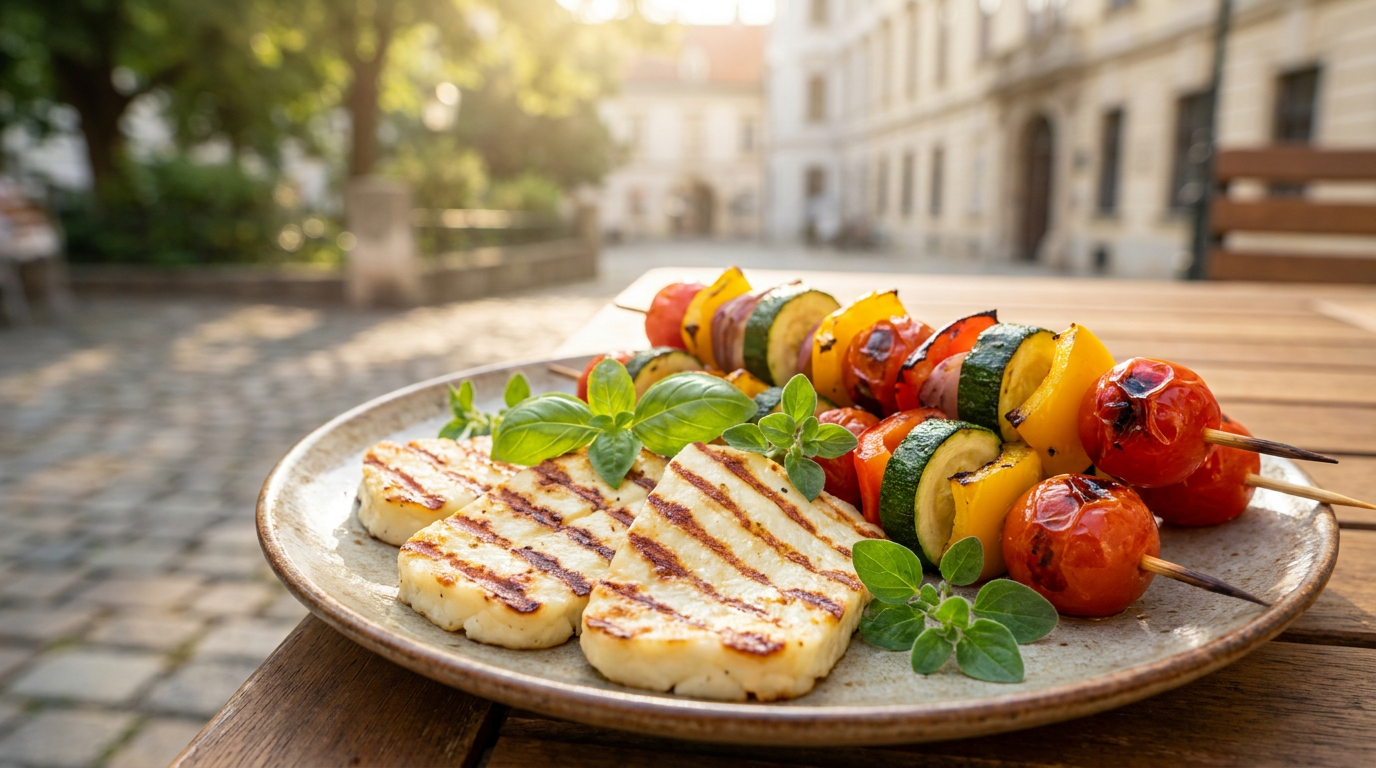
Tehnica preparării perfecte: Grătar vs. Tigaie
Gătirea brânzei Halloumi este extrem de rapidă și spectaculoasă, însă diferența dintre o felie crocantă la exterior și una gumoasă constă în câteva detalii tehnice simple. Fie că folosești o tigaie din fontă în bucătărie sau grătarul cu cărbuni în grădină, respectarea ghidului pas cu pas îți garantează un rezultat impecabil.
Tăierea feliilor la grosimea ideală
Scoate blocul de Halloumi din ambalaj și taie-l în felii egale de aproximativ 1 cm grosime (aproximativ 8-10 felii per pachet). Feliile mai subțiri de 0.5 cm se pot usca rapid și devin rigide, în timp ce feliile mai groase de 1.5 cm nu se vor încălzi suficient până în centru înainte ca suprafața să se rumenească.
Tamponarea riguroasă cu șervet de hârtie
Așază feliile de brânză pe un tocător și usucă-le bine pe ambele părți cu șervete de hârtie absorbantă. Umiditatea excesivă din saramură de la suprafață va fierbe brânza în loc să o prăjească, împiedicând formarea crustei aurii.
Desărarea opțională în apă rece
Dacă ai sensibilitate la sare sau preferi un gust mai blând, scufundă feliile de Halloumi într-un bol cu apă rece timp de 10-15 minute. Apa va extrage surplusul de sare din saramură. Ulterior, tamponează feliile cu mare atenție.
Rumenirea în tigaie antiaderentă sau din fontă
Încinge tigaia la foc mediu-înalt. Nu este nevoie să adaugi mult ulei, dar stropirea uscată cu puțin ulei de măsline extravirgin Monini accelerează caramelizarea. Așază feliile și prăjește-le 2-3 minute pe prima parte fără să le miști, apoi întoarce-le pentru încă 2 minute până când prind o culoare rumen-chihlimbarie.
Gătirea pe grătarul din grădină
Asigură-te că grătarul este bine curățat și uns cu puțin ulei vegetal. Așază feliile de Halloumi direct peste zona cu jar mediu (foc indirect sau moderat). Lasă-le să se rumenească timp de 2 minute pe parte până apar dungile caracteristice de grătar, apoi întoarce-le cu o spatulă fină.
Regulă de aur: Servirea se face întotdeauna imediat ce ai luat brânza de pe foc! Halloumi își păstrează textura moale și cremoasă timp de 5-10 minute după gătire. Pe măsură ce se răcește complet, devine mai fermă, de aceea este ideal să o pui direct pe farfurie însoțită de puțină zeamă de lămâie proaspăt stoarsă.