
Au mai rămas ultimele bucăți
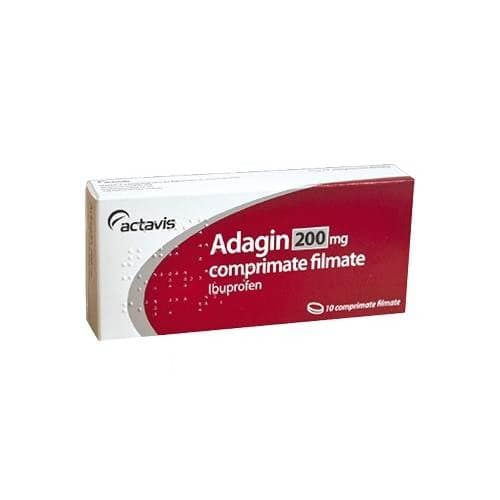
Comprimat film Actavis Adagin 200 mg este un medicament fără rețetă, ideal pentru ameliorarea rapidă a durerilor ușoare până la moderate, cum sunt cele de cap, migrenele, durerile de dinți sau cele menstruale, reducând eficient și febra. Fiecare cutie conține o folie cu 10 comprimate filmate, ușor de divizat în două părți egale pentru o administrare facilă.
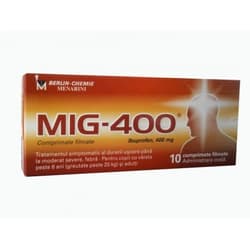


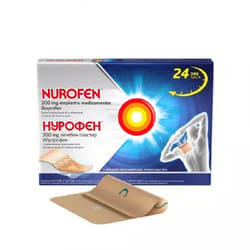
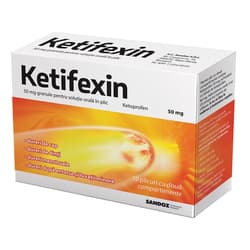
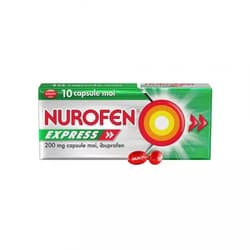

Descriere
Compozitie. Substanta activa este ibuprofen. Fiecare comprimat filmat contine ibuprofen 200 mg. Celelalte componente sunt: Nucleu: celuloza microcristalina, dioxid de siliciu coloidal anhidru, hidroxipropilceluloza, laurilsulfat de sodiu, croscarmeloza sodica, talc Film (Opadry alb 06B28499): hipromeloza, macrogol 400, dioxid de titan (E 171)
Indicatii terapeutice. Adagin 200 mg este utilizat pentru a calma durerile usoare pana la moderate, cum sunt durerea de cap, incluzand migrena, durerea de dinti, durerea menstruala si a reduce febra.
Precautii. Adresati-va medicului dumneavoastra inainte sa luati Adagin: daca aveti lupus eritematos sistemic (LES) sau alte afectiuni autoimune; daca exista in familie o tulburare in producerea pigmentului rosu din sange (porfirie); daca aveti afectiuni intestinale inflamatorii cronice, cum sunt inflamatia colonului cu ulcere (colita ulcerativa), o inflamatie care afecteaza tractul digestiv (boala Crohn) sau alte afectiuni ale stomacului sau intestinului; daca aveti tulburari de formare a celulelor sanguine; daca aveti probleme legate de mecanismul de coagulare normal al sangelui; daca aveti alergii, febra fanului, astm bronsic, inflamatie cronica a mucoasei nazale si a sinusurilor, vegetatii adenoide sau afectiuni obstructive cronice ale tractului respirator, deoarece riscul de ingustare a cailor respiratorii cu dificultati in respiratie (bronhospasm) este mai mare; daca aveti de probleme de circulatie la nivelul arterelor mainilor sau picioarelor; daca aveti probleme de ficat, rinichi, inima sau tensiune arteriala mare; daca ati avut recent o interventie chirurgicala majora; daca sunteti in primele sase luni de sarcina; daca alaptati.
Doze si mod de administrare. Luati intotdeauna acest medicament exact asa cum v-a spus medicul dumneavoastra. Discutati cu medicul dumneavoastra sau farmacistul, daca nu sunteti sigur. Reactiile adverse pot fi reduse la minimum prin utilizarea celei mai scurte perioade necesare controlarii simptomelor.
Adultii nu trebuie sa ia Adagin pentru mai mult de 7 zile consecutiv fara recomandarea medicului.
Copiii si adolescentii nu trebuie sa ia Adagin pentru mai mult de 3 zile fara recomandarea medicului. Doza de ibuprofen depinde de varsta si greutatea corporala a pacientului.
Doza recomandata este:
Durere usoara pana la moderata si febra
Adulti si adolescenti cu varsta peste 12 ani (¿40 kg): 1-2 comprimate administrate intr-o priza unica sau de 3-4 ori pe zi la intervale de 4 pana la 6 ore. in migrena, dozele trebuie sa fie: 2 comprimate administrate intr-o priza unica, daca este necesar 2 comprimate la intervale de 4 pana la 6 ore. Doza maxima zilnica nu trebuie sa depaseasca 6 comprimate (1200 mg).
Copii cu varsta intre 6-12 ani (>20 kg): Adagin 200 mg nu trebuie luat de catre copiii cu varsta intre 6 - 12 ani fara recomandarea medicului.
Copii cu varsta intre 6-9 ani (20-29 kg): 1 comprimat de 1-3 ori pe zi la intervale de 4 pana la 6 ore, la nevoie. Numarul maxim de comprimate nu trebuie sa depaseasca 3 comprimate pe zi.
Copii cu varsta intre 10-12 ani (30-40 kg): 1 comprimat de 1-4 ori pe zi la intervale de 4 pana la 6 ore, la nevoie. Numarul maxim de comprimate nu trebuie sa depaseasca 4 comprimate pe zi.
Durere menstruala
Adulti si adolescenti cu varsta peste 12 ani: 1-2 comprimate de 1-3 ori pe zi, la nevoie. Doza maxima zilnica nu trebuie sa depaseasca 6 comprimate (1200 mg).
Comprimatul trebuie inghitit cu un pahar de apa in timpul mesei sau dupa masa. Pentru a fi mai usor de inghitit sau pentru ajustarea dozei, comprimatele pot fi divizate in doua parti egale.
Daca sunteti adult si starea dumneavoastra nu se imbunatateste in decursul a 7 zile sau daca se agraveaza, trebuie sa va prezentati la medic. Daca un copil sau un adolescent are nevoie de acest medicament mai mult de 3 zile, sau daca simptomele se agraveaza, acesta trebuie consultat de un medic.
Atentionari speciale.
Sarcina, alaptarea si fertilitatea
Daca sunteti gravida sau alaptati, credeti ca ati putea fi gravida sau doriti sa ramaneti gravida, adresati-va medicului dumneavoastra sau farmacistului pentru recomandari inainte de a lua acest medicament. Ibuprofenul nu trebuie luat in ultimele 3 luni de sarcina, deorece poate determina la fat tulburari majore la nivelul inimii, plamanilor si rinichilor. Daca este utilizat la sfarsitul sarcinii, poate determina tendinta de sangerare atat la mama, cat si copil si diminueaza puterea contractiilor uterine intarziind debutul nasterii. Tratamentul in timpul primelor 6 luni de sarcina va fi recomandat numai de catre medicul dumneavoastra, daca este absolut necesar. Medicamentul apartine unui grup de medicamente (AINS) care pot afecta fertilitatea la femei. Acest efect este reversibil la intreruperea tratamentului. Ibuprofenul trece in cantitati foarte mici in laptele matern si, de obicei, alaptarea nu trebuie intrerupta in timpul tratamentelor de scurta durata. Cu toate acestea, daca vi se recomanda un tratament de lunga durata, trebuie luata in considerare intreruperea definitiva a alaptarii la san.
Conducerea vehiculelor si folosirea utilajelor
in general, ibuprofenul nu are reactii adverse asupra capacitatii de a conduce vehicule sau de a folosi utilaje. Cu toate acestea, intrucat la doze mari, in cazuri individuale, se pot manifesta reactii adverse, cum sunt oboseala, somnolenta, senzatie de invartire (raportate ca frecvente) si tulburari de vedere (raportate ca mai putin frecvente), capacitatea de conduce vehicule sau de a folosi utilaje ar putea fi afectata. Acest efect este accentuat in cazul consumului concomitent de alcool etilic
Ambalaj. Blister: 10 comprimate.
Pagina actualizata la data de: 09.06.2021
Ingrediente & Alergeni
Ingrediente
: Ibuprofen