

Au mai rămas ultimele bucăți
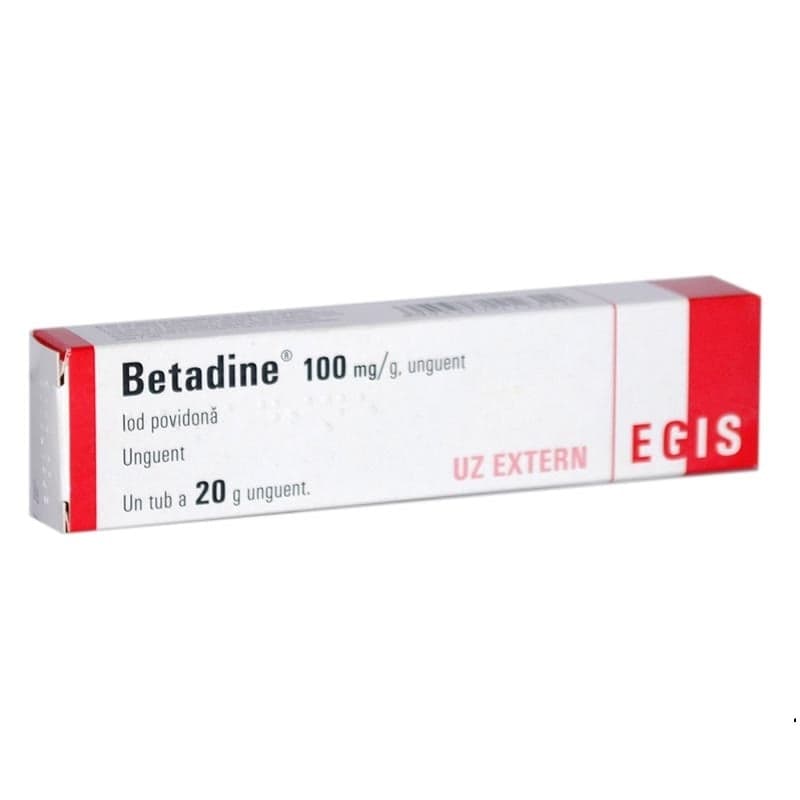
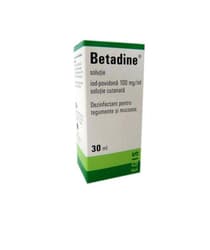
Unguentul Betadine 10% de la EGIS este un antiseptic de încredere, ideal pentru tratarea locală și prevenirea infecțiilor în cazul rănilor minore, arsurilor mici sau intervențiilor chirurgicale ușoare. Formula sa pe bază de iod povidonă distruge eficient bacteriile și fungii. Produsul vine într-un tub practic de 20 g, fiind ușor de aplicat direct pe pielea curată și uscată.
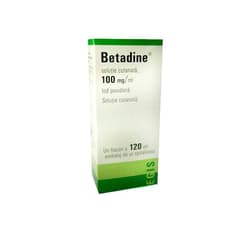
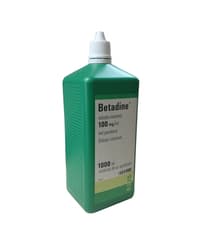
Descriere
Compozitie. Substanta activa este iod povidona. Un gram unguent contine iod activ 10 mg sub forma de iod povidona 100 mg. Celelalte componente sunt: hidrogenocarbonat de sodiu, macrogol 400, macrogol 1000, macrogol 1500, macrogol 4000, apa purificata.
Indicatii terapeutice. Betadine contine ca substanta activa iodul liber. Acesta este un antiseptic care distruge bacterii, fungi si unele protozoare.
Betadine este un antiseptic cu spectru larg utilizat pentru tratamentul local sau pentru prevenirea infectiilor ranilor minore, arsurilor pe suprafete mici si interventiilor chirurgicale minore. Este recomandat pentru tratamentul infectiilor fungice si bacteriene de la nivelul pielii si al ulcerelor de staza si decubit.
Doze si mod de administrare.
Utilizati intotdeauna acest medicament exact asa cum este descris in acest prospect sau asa cum v-a spus medicul dumneavoastra sau farmacistul. Trebuie sa discutati cu medicul dumneavoastra sau cu farmacistul daca nu sunteti sigur.
Este destinat pentru administrare locala.
Pentru tratamentul infectiilor: se aplica unguentul de 1-2 ori pe zi. Durata maxima a tratamentului este de 14 zile.
Pentru prevenirea infectiilor: se aplica unguentul de 1-2 ori pe saptamana atat timp cat este necesar. Pielea afectata trebuie sa fie curata si uscata. Aplicati Betadine pe zona afectata, pe care o puteti acoperi apoi cu un pansament sau bandaj.
Precautii.
inainte sa utilizati Betadine, adresati-va medicului dumneavoastra sau farmacistului. intrerupeti tratamentul in cazul aparitiei de iritatii pe piele, dermatite de contact sau reactiilor de hipersensibilitate.
Nu incalziti medicamentul inainte de utilizare. Nu lasati la indemana copiilor.
La administrarea unor cantitati mari de iod, pacientii cu gusa, noduli tiroidieni, sau alte afectiuni non acute ale tiroidei prezinta risc de a dezvolta hiperactivitate a functiei tiroidei (hipertiroidism). in lipsa unor indicatii stricte, la aceasta categorie de pacienti aplicarea iod povidonei nu trebuie sa se faca pentru o perioada lunga de timp si pe o suprafata mare a pielii. Chiar si dupa terminarea tratamentului trebuie urmarita o posibila aparitie a unor simptome de hipertiroidism si daca este necesar trebuie monitorizata functia tiroidei. Tratamentul nu trebuie utilizat inainte sau dupa scintigrafie cu iod radioactiv sau tratament cu iod radioactiv pentru tratamentul carcinomului tiroidian.
Atentionari speciale.
Sarcina si alaptarea
in timpul sarcinii si alaptarii iod povidona trebuie utilizata numai daca este strict indicata si pe o perioada minima de timp. Deoarece iodul traverseaza placenta si se excreta in laptele matern si din cauza cresterii sensibilitatii fatului sau nou-nascutului la iod, in timpul sarcinii si alaptarii utilizarea iod povidonei trebuie sa se faca in cantitati cat mai reduse. Mai mult, concentratia de iod este mai mare in laptele matern comparativ cu concentratia din ser. Utilizarea iod povidonei poate induce hipotiroidism trecator (activitate redusa a glandei tiroide) cu valori ridicate ale TSH (hormon de stimulare tiroidiana) la fat sau nou nascut. Poate fi necesar un control al functiei glandei tiroide a copilului. Trebuie neaparat evitata o posibila ingestie orala a solutiei de catre sugar.
Conducerea vehiculelor si folosirea utilajelor
Betadine nu influenteaza capacitatea de a conduce vehicule si de a folosi utilaje.
Ambalaj. Este ambalat in cutii cu un tub din Al continand 20 g unguent.
Pagina actualizata la data de: 08.06.2021
Ingrediente & Alergeni
Ingrediente
: Iod povidona